
Short Answer
Overview
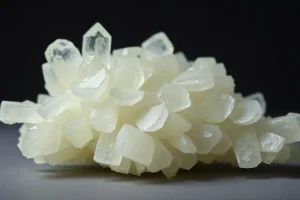
Aragonite is a naturally occurring polymorph of calcium carbonate (CaCO3) that crystallises in the orthorhombic system. Unlike its more common counterpart calcite, aragonite forms elongated, fibrous, or stalactitic crystals that often display striking banding or colour zoning. The mineral is typically translucent to opaque and occurs in a broad palette of hues, including white, gray, sky‑blue, mint‑green, soft pink, orange, and earthy brown. Although its Mohs hardness of 3.5–4 places it below many traditional gemstones, its aesthetic appeal and unique crystal habit make it a popular choice for ornamental objects, pendants, and collector specimens.
History and Origin
The name “aragonite” originates from the Spanish region of Aragon, where the mineral was first described by geologists in the early 19th century. Early mineral collectors prized aragonite for its delicate, banded forms, and specimens soon entered natural‑history museums across Europe. Today, significant aragonite deposits are documented in Mexico (particularly in the caves of the Yucatán Peninsula), the United States (California, Arizona, and Nevada), Spain, Morocco, and scattered locations in France, Italy, Russia, China, Brazil, and India. Geologically, aragonite precipitates from low‑temperature hydrothermal solutions, marine cave waters, and as a secondary mineral in limestone veins, often alongside gypsum, quartz, and calcite.
Meaning and Symbolism
In traditional gemstone lore, aragonite is associated with grounding, stability, and emotional balance. Its layered appearance is interpreted as a visual metaphor for personal growth—each band representing a stage of development or a lesson learned. Practitioners claim the stone encourages inner strength, helping the wearer remain centred during periods of change or stress. Because of its earth‑derived composition, aragonite is also linked to concepts of permanence and the steady flow of time.
Healing and Metaphysical Properties
Crystal‑healing traditions attribute several non‑scientific benefits to aragonite. The stone is believed to absorb negative energies and promote a sense of calm, making it a popular aid for meditation and stress reduction. Its purported connection to the Root (Muladhara) chakra suggests it can enhance feelings of security, grounding, and physical stamina. Some practitioners also associate aragonite with improved focus, emotional honesty, and the release of suppressed memories. These claims are based on longstanding cultural beliefs and should not be taken as medical advice.
Varieties and Types
Aragonite exhibits a range of visually distinct varieties, each valued for particular aesthetic qualities:
- Banding aragonite: Features parallel or concentric colour bands, most commonly in shades of white, pink, orange, or brown. The regularity of the bands often determines collector desirability.
- Blue aragonite: Rare and highly sought after, this variety ranges from pale sky‑blue to deep azure and is frequently sourced from Mexican cave deposits.
- Green aragonite: Displays a soft mint or sea‑foam green, occasionally interspersed with white or translucent zones. It is sometimes marketed as “emerald aragonite.”
- Pink aragonite: Known for delicate rose‑hued tones, this type is favoured in jewellery settings where a subtle colour is desired.
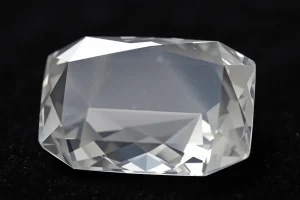
- Transparent aragonite: Occasionally forms clear, glass‑like crystals that are prized for their rarity and are often cut as cabochons.
Jewelry Uses and Care
Because aragonite scores only 3.5–4 on the Mohs scale, it is considered a softer gemstone and is best suited for designs that protect its surfaces. Typical applications include pendants, earrings, brooches, and decorative beads. Protective settings—such as bezel, channel, or tension mounts—help minimise the risk of chipping or abrasion. When caring for aragonite jewellery, observe the following guidelines:
- Clean gently with a soft, lint‑free cloth dampened with mild soap and lukewarm water. Avoid ultrasonic cleaners and steam cleaners.
- Do not expose the stone to harsh chemicals, including bleach, chlorine, or acid‑based cleaners.
- Store aragonite separately from harder gemstones (e.g., quartz, topaz) to prevent scratches.
- Limit prolonged exposure to direct sunlight, as some colour varieties may fade over time.
- Handle with care; avoid dropping or striking the stone against hard surfaces.
Buying Guide
When purchasing aragonite, whether for personal jewellery or as a collector’s piece, consider the following factors to ensure quality and value:
-
- Colour intensity and uniformity: Deep, vivid hues or well‑defined banding patterns are generally more valuable than pale or uneven colouration.
n
- Clarity and fracture resistance: Minor inclusions are acceptable, but extensive cracks or fractures can compromise durability.
- Cut and finish: Cabochon cuts that protect the stone’s edges are preferred; low‑profile faceting is acceptable if the stone’s surface remains protected.
- Origin and provenance: Reputable sources from known localities (e.g., Mexico, USA) often provide more consistent quality and allow verification of natural origin.
- Treatment disclosure: Natural aragonite is rarely treated, but some specimens may be dyed to enhance colour. Request full disclosure from the seller.
- Certification: For high‑value items, obtain a gemological report from a recognised laboratory (e.g., GIA, IGI) or a written guarantee from a reputable retailer.
By evaluating these criteria, buyers can select aragonite pieces that combine aesthetic appeal with lasting durability.
FAQ
What is aragonite good for?
Aragonite is valued for its decorative banded appearance in jewellery and as a collector's mineral. Traditionally, it is believed to promote grounding and emotional balance, though these are metaphysical concepts, not medical facts.
Is aragonite rare?
High‑quality, vividly coloured aragonite specimens—especially blue or deep green varieties—are relatively uncommon. The mineral itself is abundant in many localities, making standard grades moderately available for jewellery and collection.
How can you tell if aragonite is real?
Real aragonite has a Mohs hardness of 3.5–4, a white streak, and a vitreous to silky luster. It often shows perfect cleavage on [110] and characteristic banding. Professional testing, such as refractive index measurement, provides definitive confirmation.
What chakra is aragonite associated with?
In crystal‑healing traditions, aragonite is most commonly linked to the Root (Muladhara) chakra, supporting grounding and stability.
How should you clean aragonite?
Clean aragonite gently with a soft, damp cloth and mild soap. Avoid ultrasonic cleaners, steam, harsh chemicals, and prolonged sunlight exposure. Store separately from harder gemstones to prevent scratches.
Leave a Reply