
Short Answer
Overview
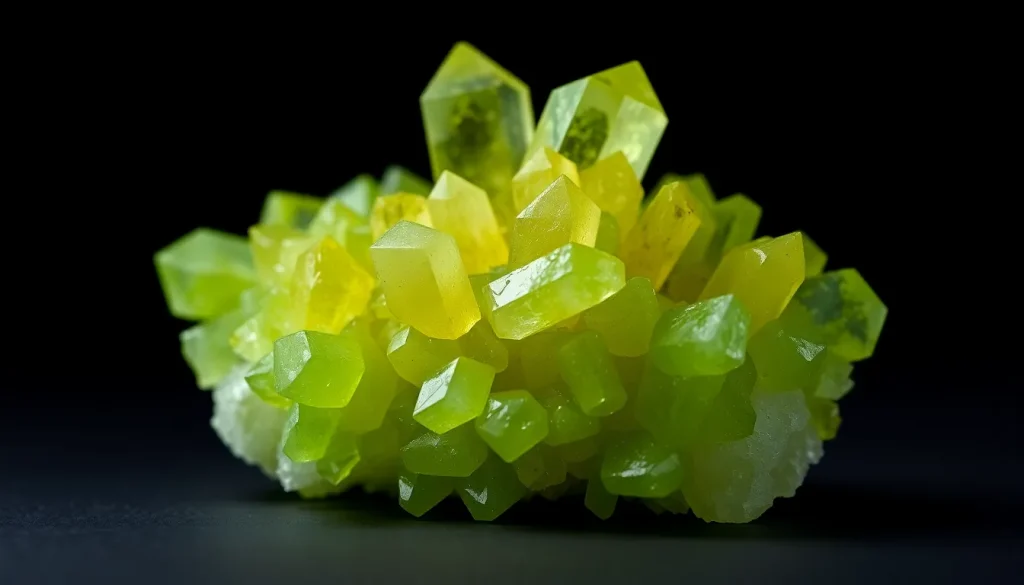
Phosphosiderite is a secondary phosphate mineral composed of hydrated iron phosphate (FePO4·2H2O). It typically forms prismatic to tabular crystals that display a bright apple‑green to yellow‑green hue, though colorless, pink, brown, and yellow specimens also occur. With a Mohs hardness of 3.5–4, the stone is relatively soft, limiting its use in everyday jewelry but making it popular among collectors and for occasional ornamental pieces.
History and Origin
The name phosphosiderite derives from its composition—”phospho” for phosphate and “siderite” for iron. It was first described in the early 20th century from specimens found in South Africa. The mineral forms in oxidized zones of iron‑rich deposits where phosphate-bearing solutions precipitate the hydrated iron phosphate. Notable localities include Mafube (South Africa), Namibia, Minas Gerais (Brazil), Arizona (USA), and New South Wales (Australia). Because it is a secondary mineral, phosphosiderite often occurs as crusts or coatings on other iron minerals.
Meaning and Symbolism
In traditional gemstone lore, phosphosiderite’s vibrant green is associated with growth, renewal, and the vitality of nature. It is thought to encourage emotional balance, foster compassion, and support personal transformation. The stone’s earthy iron content also links it to grounding qualities, symbolizing strength and stability.
Healing and Metaphysical Properties
Crystal‑healing practitioners attribute phosphosiderite with the following beliefs:
- Emotional healing: Promotes calmness, reduces anxiety, and helps release old emotional patterns.
- Physical support: Said to aid the circulatory system and support iron metabolism, though these claims are not medically verified.
- Spiritual growth: Encourages openness to new experiences and assists in manifesting personal goals.
These properties are based on traditional and contemporary metaphysical teachings and should not replace professional medical advice.
Varieties and Types
Phosphosiderite occurs in several color varieties, the most common being:
- Green Phosphosiderite – ranging from pale mint to deep emerald tones.
- Pink Phosphosiderite – a rare pink to salmon hue, often found in smaller crystals.
- Yellow/Brown Phosphosiderite – less common, showing earthy yellow to chocolate tones.
- Colourless/White – transparent specimens that are prized for their rarity.
Specimens may exhibit excellent crystal habit, making them attractive for mineral collections and display pieces.
Jewelry Uses and Care
Because phosphosiderite is relatively soft and possesses perfect cleavage on {010}, it is best suited for pendants, earrings, and brooches where the stone can be set securely and protected from impact. Cabochon cuts are common to showcase the stone’s colour without risking fracture.
Care instructions:
- Clean with a soft, lint‑free cloth; avoid ultrasonic cleaners and harsh chemicals.
- Use warm, soapy water for stubborn dirt, then rinse and dry gently.
- Store separately from harder gemstones to prevent scratches.
- Avoid prolonged exposure to direct sunlight, which may fade the colour over time.
Buying Guide
When purchasing phosphosiderite, consider the following factors:
- Color Saturation: Deep, vivid greens are most valued; pastel tones are less sought after.
- Clarity: Look for stones free of visible inclusions or surface blemishes.
- Cut and Shape: Well‑cut cabochons or clean crystal faces enhance visual appeal.
- Origin and Treatment: Genuine phosphosiderite is natural; be wary of dyed or artificially enhanced stones.
- Certification: For high‑value pieces, request a gemological report from a recognized laboratory.
Prices vary widely based on colour, size, and quality, ranging from modest for small raw specimens to higher for fine, well‑cut cabochons.
FAQ
What is phosphosiderite good for?
Phosphosiderite is prized by collectors for its vivid green crystals and is occasionally used in pendants or earrings. Traditionally, it is believed to promote emotional balance and personal growth, though these are spiritual concepts, not medical facts.
Is phosphosiderite rare?
High‑quality, deep‑green phosphosiderite is relatively uncommon, especially in larger, well‑cut specimens. The mineral itself is not extremely rare, but gem‑grade material with excellent color and clarity can be limited.
How can you tell if phosphosiderite is real?
Real phosphosiderite exhibits a characteristic green to yellow‑green color, perfect cleavage, and a Mohs hardness of 3.5–4. A professional gemological test, such as refractive index measurement or X‑ray diffraction, can confirm authenticity.
What chakra is phosphosiderite associated with?
In crystal‑healing traditions, phosphosiderite is most commonly linked to the Heart (Anahata) chakra, reflecting its green color and themes of emotional renewal.
How should you clean phosphosiderite?
Clean phosphosiderite gently with a soft, lint‑free cloth and warm soapy water. Avoid ultrasonic cleaners, harsh chemicals, and prolonged sunlight. Store it separately from harder stones to prevent scratches.
Leave a Reply