
Short Answer
Overview
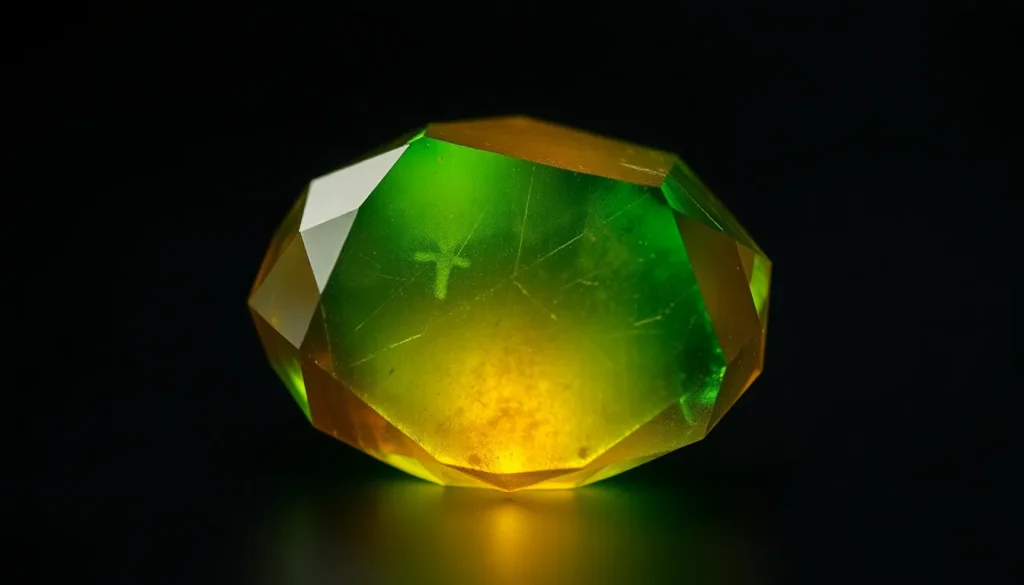
Pumpellyite is a sorosilicate mineral belonging to the pumpellyite group. It typically occurs in metamorphic rocks such as amphibolites and greenschists, where it forms fine-grained aggregates or well‑developed prisms. The gemstone is most commonly encountered in shades of green, brown, gray, and black, sometimes displaying a subtle bronzy luster. Although not as widely known as quartz or garnet, pumpellyite is prized by collectors for its distinctive crystal habit and by some jewelry makers for its earthy coloration.
History and Origin
The mineral was first described in 1892 by American geologist Harry B. Hawthorne and named after geologist Raphael Pumpelly (1837‑1923), a pioneer of North American geological mapping. Early specimens were reported from the Canadian Shield, particularly in Ontario and Quebec, where the mineral occurs in high‑grade metamorphic terrains. Subsequent discoveries expanded its known localities to include the Lake Superior region of the United States, Scandinavia, the Russian Urals, Japan, and parts of Australia. In most occurrences, pumpellyite forms as a product of low‑ to medium‑grade metamorphism of basaltic or gabbroic protoliths.
Meaning and Symbolism
In the realm of gemstone symbolism, pumpellyite is traditionally linked to growth, grounding, and renewal. Its earthy green tones are thought to echo the vitality of nature, while the darker varieties are associated with resilience and protection. Collectors often view the stone as a reminder to stay rooted during periods of change, and it is occasionally presented as a token of perseverance.
Healing and Metaphysical Properties
According to crystal‑healing traditions, pumpellyite is believed to support the heart chakra, encouraging emotional balance and compassion. Practitioners claim that the stone can aid in releasing old emotional patterns, fostering forgiveness, and strengthening personal boundaries. Some also attribute grounding qualities to pumpellyite, suggesting it helps align the physical body with the Earth’s energy. These claims are based on longstanding folklore and should not be interpreted as medical advice.
Varieties and Types
The pumpellyite group includes several compositional varieties, each distinguished by the dominant cation in its structure:
- Pumpellyite‑(Mg): Magnesium‑rich, typically exhibiting bright green to olive tones.
- Pumpellyite‑(Fe): Iron‑rich, often darker, ranging from brown to nearly black.
- Pumpellyite‑(Ca): Calcium‑rich, usually presenting a gray‑green hue.
These varieties can occur together in the same specimen, creating complex color zonations. The mineral may also appear in aggregate form, as massive nodules, or as well‑formed prismatic crystals that are prized by mineral collectors.
Jewelry Uses and Care
Because of its moderate hardness (5.5–6.5 on the Mohs scale) and occasional cleavage, pumpellyite is best suited for pendants, earrings, and brooches rather than rings that endure heavy wear. The stone can be polished to a vitreous or sub‑adamantine finish, highlighting its subtle internal reflections. When setting pumpellyite, jewelers typically use protective settings such as bezels or milgrain settings to shield the stone from knocks.
Care instructions:
- Clean with a soft, lint‑free cloth; avoid abrasive cleaners.
- Use mild warm soapy water and a soft brush for deeper cleaning, then rinse thoroughly.
- Do not expose to ultrasonic cleaners or steam, as rapid temperature changes can cause micro‑fractures.
- Store separately from harder gemstones (e.g., quartz, topaz) to prevent scratching.
Buying Guide
When purchasing pumpellyite, consider the following factors:
- Color and Transparency: The most desirable specimens display a uniform, vivid green without excessive cloudiness. Brown or black varieties are rarer and may command higher prices if well‑crystallized.
- Crystal Habit: Well‑formed prisms or sharply defined aggregates are preferred over massive, indistinct nodules.
- Treatment Disclosure: Natural pumpellyite is rarely treated, but some specimens may be stabilized with resin. Always request a treatment statement.
- Certification: For high‑value pieces, seek certification from a reputable gemological laboratory (e.g., GIA, IGI) that confirms identity and any treatments.
- Source Transparency: Ethical sourcing is increasingly important. Reputable dealers should provide locality information and, where possible, mining‑practice details.
Because pumpellyite is not a mainstream gemstone, market prices can vary widely. Expect modest pricing for common green material, while rare, well‑crystallized brown or black pieces may be more expensive.
FAQ
What is pumpellyite good for?
Pumpellyite is valued for its earthy green to brown colors in jewelry and collectors’ pieces. Traditionally, it is believed to promote emotional grounding and heart‑centered compassion, though these are spiritual beliefs, not medical facts.
Is pumpellyite rare?
Pumpellyite is not considered extremely rare, but high‑quality, well‑crystallized specimens—especially deep brown or black varieties—are less common and can be harder to find.
How can you tell if pumpellyite is real?
Authentic pumpellyite displays a monoclinic crystal habit, a vitreous luster, and a hardness of 5.5–6.5. A professional gemological lab can confirm identity with optical and chemical analysis.
What chakra is pumpellyite associated with?
In crystal‑healing traditions, pumpellyite is most often linked to the Heart (Anahata) chakra, supporting love and emotional balance.
How should you clean pumpellyite?
Clean pumpellyite gently with warm soapy water and a soft brush, then rinse and pat dry. Avoid ultrasonic cleaners, steam, or harsh chemicals, and store it away from harder gemstones to prevent scratches.
Leave a Reply