
Short Answer
Overview
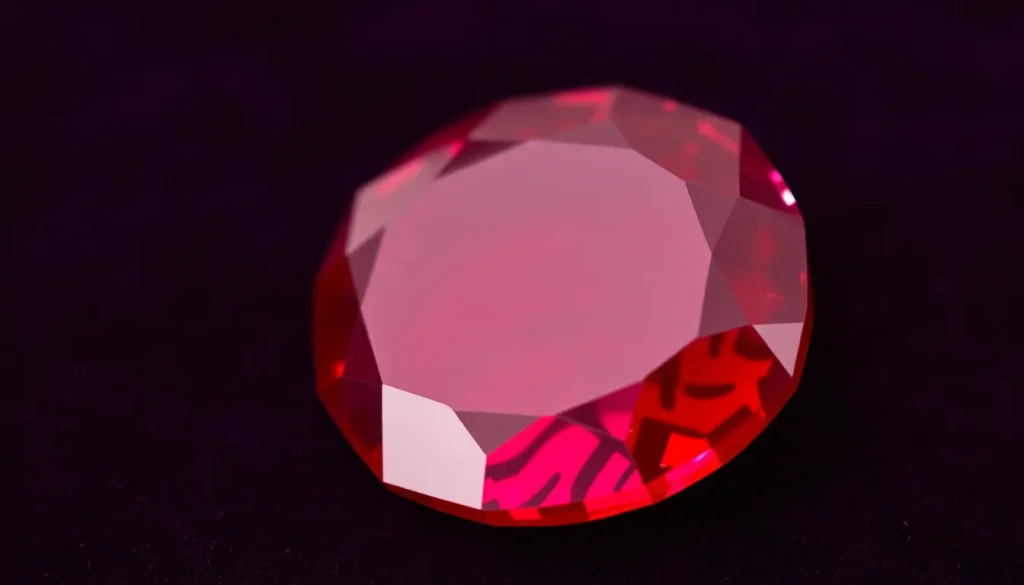
Ruby is the red variety of the mineral corundum (aluminium oxide). Its characteristic hue ranges from deep pigeon‑blood red to pinkish tones, depending on chromium content and trace elements. With a Mohs hardness of 9, ruby is second only to diamond in durability, which makes it ideal for all types of jewelry.
History and Origin
Ruby has been treasured for millennia. Ancient Hindus called it “ratnaguna” (the gem of virtues), while the Romans believed it protected warriors. Historically, the most celebrated sources have been the mines of Mogok in Myanmar, known for producing vivid pigeon‑blood stones. Over the past century, significant ruby deposits have been developed in Thailand, Sri Lanka, Mozambique, Tanzania, Madagascar, and Vietnam.
Meaning and Symbolism
Across cultures, ruby symbolizes love, passion, courage, and vitality. In Western tradition it is the birthstone for July and is linked to the zodiac sign Leo. Many consider ruby a talisman for protection against negative energies and a stone that amplifies personal power.
Healing and Metaphysical Properties
In crystal‑healing belief systems ruby is thought to stimulate the root chakra, encouraging grounding, confidence, and a sense of security. Practitioners claim it can boost circulation, support the heart, and help release emotional blockages. These are traditional views and not medical advice.
Varieties and Types
Several ruby varieties are distinguished by hue, origin, and treatments:
- Pigeon‑blood ruby: Intense, vivid red with a slight purplish undertone, most prized when natural.
- Pink ruby: Lighter red to pink, often found in Sri Lanka and Tanzania.
- Star ruby: Displays a six‑ray asterism when cut en cabochon, caused by needle‑like rutile inclusions.
- Heat‑treated ruby: Most commercial rubies are heated to improve color and clarity; the process does not alter hardness.
- Synthetic ruby: Grown in laboratories by flame‑fusion (Verneuil) or flux methods; chemically identical to natural ruby.
n
Jewelry Uses and Care
Ruby’s hardness makes it suitable for engagement rings, bracelets, earrings, and watches. However, its cleavage is absent, and it can fracture if struck sharply. To maintain brilliance:
- Clean with warm, soapy water and a soft brush. Avoid abrasive cleaners.
- Use a soft cloth for polishing; ultrasonic cleaners are safe for untreated stones but may affect some surface treatments.
- Store separately from softer gems to prevent scratching.
Buying Guide
When purchasing ruby, consider the following factors:
- Color: The most valuable hue is a vivid, saturated red without brownish overtones.
- Clarity: Inclusions are common; a clean interior enhances value, especially for transparent stones.
- Cut: Well‑proportioned facets maximize sparkle; cabochon cuts are preferred for asterism.
- Treatment disclosure: Reputable dealers will disclose any heat treatment or fracture filling.
- Certification: Look for GIA, IGI, or equivalent lab reports that detail origin, treatment, and measurements.
Natural, untreated pigeon‑blood ruby commands the highest price, while heat‑treated stones offer a more affordable entry point for collectors.
FAQ
What is ruby good for?
Ruby is prized for its brilliant red color and durability, making it ideal for fine jewelry. Traditionally, it is believed to promote passion, courage, and protection, though these are cultural and metaphysical associations, not medical facts.
Is ruby rare?
High‑quality, untreated pigeon‑blood ruby is rare and commands premium prices. More common are heat‑treated rubies and those from abundant sources such as Mozambique. Rarity depends on color saturation, clarity, size, and origin.
How can you tell if ruby is real?
Real ruby is hard (Mohs 9), has a high refractive index, and displays a deep red color without fluorescence under UV light. A professional gemological lab can confirm authenticity with spectroscopy, microscopy, and certification.
What chakra is ruby associated with?
In crystal‑healing traditions ruby is commonly linked to the Root (Muladhara) chakra, where it is thought to provide grounding and vitality. Some systems also associate it with the Solar Plexus, but these are belief‑based associations.
How should you clean ruby?
Clean ruby with warm, mild soapy water and a soft brush. Avoid harsh chemicals and ultrasonic cleaners if the stone has surface treatments. Dry with a lint‑free cloth and store separately from softer gems to prevent scratches.
Leave a Reply