
Short Answer
Overview
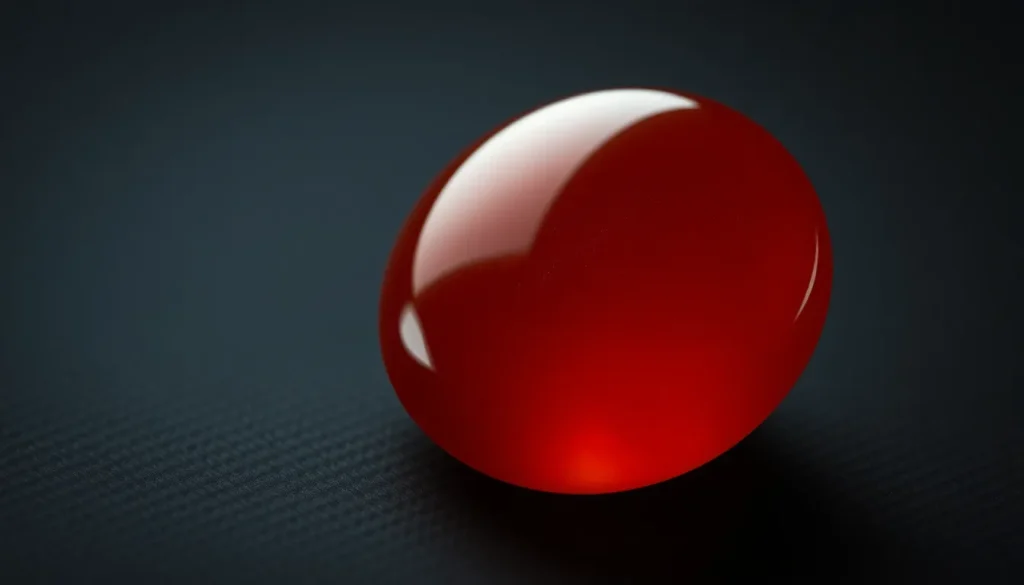
Carnelian is a translucent to opaque variety of chalcedony, a microcrystalline form of quartz. Its distinctive warm reddish‑orange hue has made it a popular gemstone for centuries, used in beads, cabochons, and carved cameos.
History and Origin
The name “carnelian” derives from the Latin carnis meaning flesh, a reference to its flesh‑like color. Historically it was mined in the Indus Valley, ancient Egypt, and the Roman Empire, where it adorned signet rings and intaglios. Major modern sources include Brazil, India, Uruguay, Namibia, and the United States (Idaho).
Meaning and Symbolism
In many cultures carnelian is associated with vitality, courage, and creative inspiration. Traditional folklore links the stone to protection in travel and to the strengthening of personal will. It is often given as a gift to encourage confidence and motivation.
Healing and Metaphysical Properties
According to crystal‑healing beliefs, carnelian is said to stimulate the sacral chakra, fostering emotional balance, passion, and sexual energy. Practitioners claim it can aid digestion and boost circulation, though these are not medically verified. It is commonly used in meditation to ground intentions and spark creativity.
Varieties and Types
Carnelian is essentially red chalcedony, but several related terms describe color or treatment variations:
- Traditional carnelian – deep orange to reddish‑brown, natural.
- Sard – darker brownish‑red, often used interchangeably with carnelian.
- Heat‑treated carnelian – originally pale chalcedony enhanced to a richer hue.
- Mexican carnelian – typically brighter orange, sourced from Mexico.
Jewelry Uses and Care
Due to its hardness (6.5–7 on the Mohs scale) and attractive color, carnelian is cut into cabochons, beads, and faceted stones for rings, necklaces, and earrings. Its relatively low porosity makes it suitable for most cleaning methods, but care should be taken with heat‑treated pieces as high temperatures can alter the color.
Cleaning: Use warm, soapy water and a soft brush. Rinse thoroughly and dry with a lint‑free cloth. Avoid ultrasonic cleaners for treated stones.
Storage: Keep separate from harder gemstones such as quartz or topaz to prevent scratching. Store in a padded pouch or a fabric‑lined box.
Buying Guide
When selecting carnelian, consider the following factors:
- Color consistency – Look for an even, saturated orange‑red without excessive brown or gray zones.
- Clarity – Minor inclusions are acceptable; large clouds or cracks reduce value.
- Cut and polish – A smooth, high‑gloss finish enhances the stone’s natural depth.
- Treatment disclosure – Ask whether the stone is natural or heat‑treated; untreated carnelian commands higher prices.
- Certification – For high‑value pieces, a gemological report from a reputable laboratory (e.g., GIA) provides assurance of authenticity.
Reputable sources include established jewelry retailers, gem shows, and certified online dealers. Always request a return policy and provenance information.
FAQ
What is Carnelian good for?
Carnelian is prized for its warm color in jewelry and decorative objects. Traditionally it is believed to boost confidence, creativity, and vitality, while modern use focuses on its durability and aesthetic appeal.
Is Carnelian rare?
Carnelian is relatively common compared to many precious gems. High‑quality, uniformly colored stones are less abundant, and untreated specimens can be rarer than heat‑treated ones.
How can you tell if Carnelian is real?
Real carnelian feels solid and cool to the touch, shows a consistent reddish‑orange hue, and has a waxy‑vitreous luster. A professional gemologist can confirm authenticity with refractive index measurement and microscopic examination.
What chakra is Carnelian associated with?
In crystal‑healing traditions, Carnelian is most often linked to the Sacral (Svadhisthana) chakra, supporting emotional balance and creative energy.
How should you clean Carnelian?
Clean Carnelian with warm, mildly soapy water and a soft brush, then rinse and pat dry. Avoid harsh chemicals, ultrasonic cleaners, and extreme heat, especially for heat‑treated stones.
Leave a Reply