
Short Answer
Overview
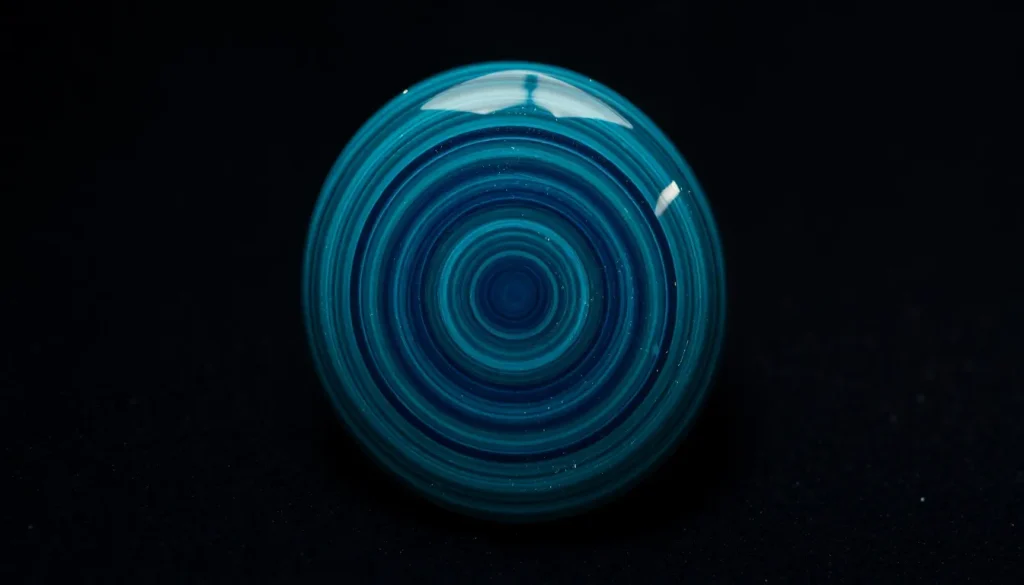
Rosasite is a secondary copper carbonate mineral that forms botryoidal, often concentric, masses with vivid blue‑green hues. It belongs to the carbonate family and crystallises in the monoclinic system. Although primarily collected for its ornamental appeal, rosasite is occasionally used in jewelry and lapidary work.
History and Origin
The name “rosasite” derives from the Spanish word rosa, meaning “rose,” a reference to the rose‑like patterns sometimes seen in its botryoidal habit. First described in the early 20th century from specimens found in the Tsumeb Mine, Namibia, the mineral has since been reported from copper‑rich oxidised zones worldwide.
Meaning and Symbolism
In traditional gemstone lore, rosasite is associated with the energy of copper, symbolising warmth, creativity, and emotional balance. Its bright blue‑green color is thought to evoke the serenity of water and the growth of new life, making it a popular talisman for renewal.
Healing and Metaphysical Properties
Crystal‑healing practitioners attribute rosasite with the following beliefs:
- Promotes emotional healing and helps release past grief.
- Supports the heart chakra, encouraging love and compassion.
- Enhances communication by fostering clear self‑expression.
- Balances the physical body’s copper metabolism, though this is a symbolic association, not a medical claim.
These properties are based on tradition and should not replace professional medical advice.
Varieties and Types
Rosasite is most often encountered in its classic botryoidal form, but variations include:
- Massive rosasite – dense, irregular aggregates.
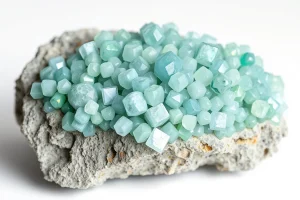
- Crystallised rosasite – well‑developed monoclinic crystals, rarer and more valuable.
- Altered rosasite – specimens that have partially transformed to malachite or azurite.
Jewelry Uses and Care
Because of its relatively low hardness (3.5–4 on the Mohs scale) and perfect cleavage, rosasite is best suited for pendants, cabochons, and ornamental pieces rather than high‑impact settings. Care recommendations include:
- Clean gently with a soft, damp cloth; avoid ultrasonic cleaners.
- Store separately from harder gemstones to prevent scratching.
- Protect from prolonged exposure to acids, detergents, and extreme heat.
Buying Guide
When purchasing rosasite, consider the following factors:
- Color intensity – deep, uniform blue‑green hues are most desirable.
- Surface texture – smooth, well‑polished cabochons display the stone’s natural luster.
- Treatment disclosure – some specimens are stabilized or dyed; reputable dealers should disclose any enhancements.
- Origin – reputable sources often cite Namibia, Zambia, or the United States (Arizona) for high‑quality material.
Request a certificate of authenticity or a gemological report for larger or premium pieces.
FAQ
What is rosasite good for?
Rosasite is valued for ornamental and occasional jewelry use due to its striking blue‑green color. Traditionally, it is believed to support emotional balance and heart‑centered communication, though these are metaphysical concepts, not medical facts.
Is rosasite rare?
Rosasite is not exceptionally rare in mineral collections, but high‑quality, well‑polished specimens suitable for jewelry are less common, especially those free of alterations or treatments.
How can you tell if rosasite is real?
Real rosasite exhibits a characteristic blue‑green hue, botryoidal texture, and a light blue‑green streak. Because its hardness is low, a simple scratch test (with a fingernail) may be indicative, but professional gemological testing is recommended for confirmation.
What chakra is rosasite associated with?
In crystal‑healing traditions, rosasite is most often linked to the heart chakra, supporting love and emotional healing, though no scientific evidence confirms this association.
How should you clean rosasite?
Clean rosasite gently with a soft, damp cloth and mild soap if needed. Avoid ultrasonic cleaners, steam, or harsh chemicals, and store it separately from harder gemstones to prevent scratching.
Leave a Reply