
Short Answer
Overview
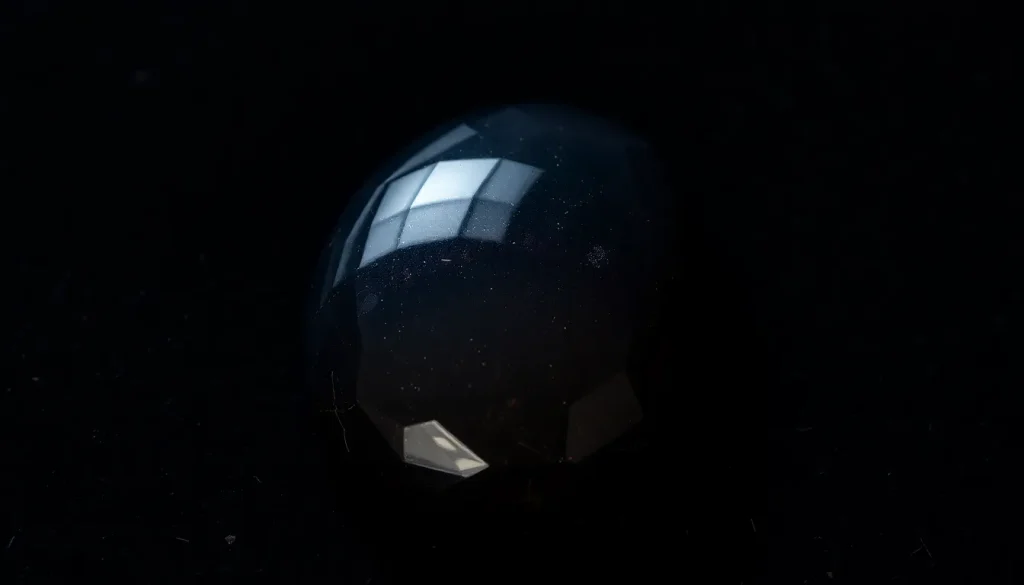
Samarskite is a rare, high‑density oxide mineral that occurs in black to brownish‑black masses. It belongs to the complex rare‑earth oxide group and is sometimes cut into cabochons for ornamental purposes. Although not a common gemstone, its unique composition and striking appearance attract collectors and designers seeking unusual materials.
History and Origin
The mineral was first described in the 1840s and named after the Russian mining engineer G. Samarsky‑Yakovlev, whose name also inspired the element samarium. Samarskite forms in granitic pegmatites and hydrothermal veins where rare‑earth elements, niobium, tantalum, uranium, and thorium concentrate. Notable localities include the Kola Peninsula (Russia), Madagascar, Brazil, and the United States (Colorado).
Meaning and Symbolism
In traditional gemstone lore, Samarskite is considered a stone of endurance and transformation. Its deep black color is thought to symbolize the unknown and the hidden potential within, encouraging perseverance during challenging periods. The mineral’s rarity adds an element of exclusivity and personal significance for those who wear it.
Healing and Metaphysical Properties
Within crystal‑healing traditions, Samarskite is believed to:
- Ground and stabilize the wearer’s energy, supporting the Root Chakra.
- Facilitate inner transformation by helping release old patterns.
- Enhance focus and mental clarity, especially in scientific or technical pursuits.
These attributes are based on folklore and should not replace professional medical advice.
Varieties and Types
Two principal varieties are recognized:
- Samarskite‑(Y) – dominated by yttrium and other heavy rare‑earth elements.
- Samarskite‑(Ce) – where cerium is the predominant rare‑earth component.
Both share the same crystal structure but differ slightly in chemical composition, which can affect color intensity and radioactivity.
Jewelry Uses and Care
Because of its hardness (5–5.5 on the Mohs scale) and perfect cleavage, Samarskite is best used in protective settings such as bezel or pendant mounts that shield the stone from impact. Cleaning should be limited to a soft, dry cloth; ultrasonic cleaners or harsh chemicals may damage surface polish or release trapped radon gas from uranium content.
Buying Guide
When selecting Samarskite, consider the following:
- Origin and treatment disclosure: Reputable dealers will state the mining locality and whether the stone has been stabilized or irradiated.
- Radiation safety: Some specimens contain measurable uranium; handling guidelines recommend storing them away from prolonged skin contact and limiting exposure.
- Visual quality: Look for a uniform black color with minimal surface weathering. A high‑quality cabochon will display a smooth, glassy luster.
Because Samarskite is uncommon, prices vary widely. Obtain a certificate of authenticity from a recognized gemological laboratory when possible.
FAQ
What is Samarskite good for?
Samarskite is valued by collectors for its rarity and high density, and it is occasionally used in jewelry as a protective cabochon. Traditionally, it is believed to aid grounding, transformation, and mental focus.
Is Samarskite rare?
Yes. High‑quality, transparent or well‑polished specimens are uncommon, especially those free of significant radiation. Availability depends on the locality, color, and whether the stone has been treated.
How can you tell if Samarskite is real?
Authentic Samarskite is heavy for its size (specific gravity >5.5), shows a submetallic luster, and is opaque black. Professional gemologists use X‑ray fluorescence or a refractometer to confirm composition and detect any synthetic substitutes.
What chakra is Samarskite associated with?
In crystal‑healing traditions Samarskite is linked to the Root Chakra, supporting grounding and stability.
How should you clean Samarskite?
Wipe gently with a soft, dry cloth. Avoid ultrasonic cleaners, steam, or harsh chemicals, as they can damage the surface and may provoke the release of trapped radon from uranium content.
Leave a Reply