
Short Answer
Overview
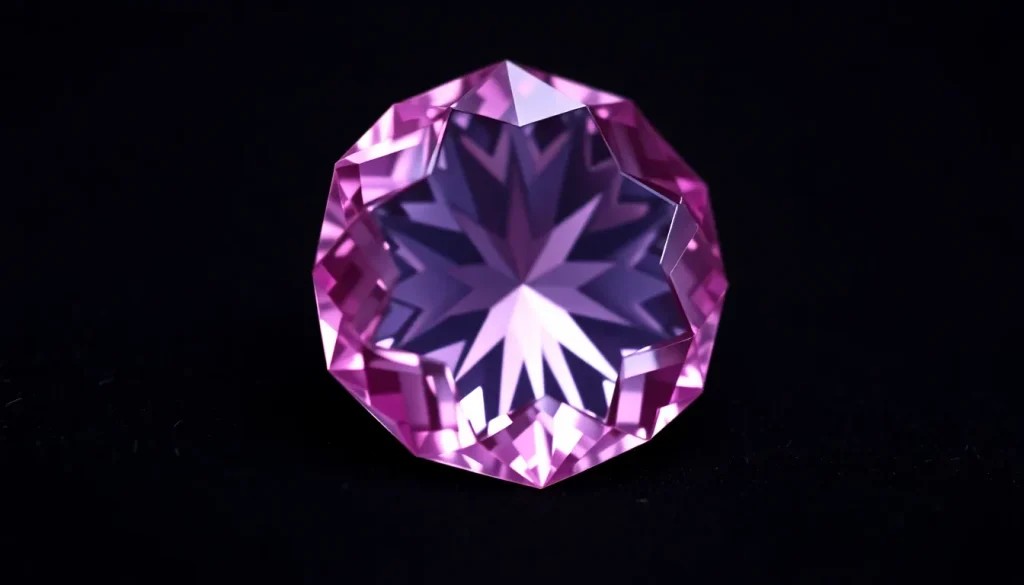
Marialite is the sodium‑rich endmember of the scapolite mineral series, belonging to the broader silicate family. It typically appears in shades of pink, violet, or colorless and is prized for its vitreous luster and well‑developed crystal forms. With a Mohs hardness of 5.5–6, it is suitable for many types of jewelry when properly cared for.
History and Origin
The name “marialite” honors the French mineralogist Marie Thérèse de Rocquigny (née Marial). The mineral was first described in the late 19th century from specimens found in the Ural Mountains of Russia. Naturally occurring marialite is found in metamorphic rocks such as gneiss and marble, where it forms as a product of regional metamorphism and contact metamorphism.
Meaning and Symbolism
In traditional gemstone lore, marialite is associated with clear communication, self‑expression, and emotional balance. It is thought to aid in articulating thoughts truthfully and fostering harmonious relationships. The pink to violet hues are often linked to love, compassion, and inner wisdom.
Healing and Metaphysical Properties
Crystal‑healing practitioners attribute marialite with the ability to calm emotional turbulence and support the throat chakra, encouraging honest speech. It is also said to enhance intuition and assist in spiritual growth. These claims are part of metaphysical belief systems and are not medical advice.
Varieties and Types
- Colorless/White Marialite – Often used as a clear alternative to quartz.
- Pink to Violet Marialite – The most sought‑after hues for jewelry.
- Blue Marialite – Rare, exhibiting a soft sky‑blue tone.
- Heat‑treated Marialite – Some specimens are gently heated to enhance color saturation; treatment should be disclosed by sellers.
Jewelry Uses and Care
Marialite’s moderate hardness makes it suitable for earrings, pendants, and rings set in protective settings. Because it can cleave on {010}, designs that protect the stone from sharp impacts are recommended. Cleaning should be performed with warm, soapy water and a soft brush. Avoid ultrasonic cleaners and harsh chemicals, especially on heat‑treated pieces.
Buying Guide
- Verify the source: reputable dealers should provide provenance and, if applicable, disclose any heat treatment.
- Assess color: vivid pink‑violet stones are rarer and command higher prices.
- Examine clarity: inclusions are common but should not detract from overall brilliance.
- Check cut and symmetry: well‑cut stones display strong vitreous luster and good facet alignment.
- Request certification: a gemological lab report (e.g., GIA, IGI) confirms authenticity and identifies any treatments.
FAQ
What is marialite good for?
Marialite is valued in jewelry for its attractive pink‑violet color and vitreous luster. Traditionally, it is believed to support clear communication and emotional balance, though these are metaphysical claims, not medical facts.
Is marialite rare?
High‑quality, vivid pink or violet marialite is relatively scarce, especially in larger sizes. Colorless or pale specimens are more common. Rarity also depends on locality and whether the stone has been treated.
How can you tell if marialite is real?
Real marialite shows a refractive index around 1.57, a specific gravity of 2.55–2.65, and perfect cleavage on {010}. Professional gemological testing (e.g., spectroscopy or microscopy) is recommended for definitive verification.
What chakra is marialite associated with?
In crystal‑healing traditions marialite is linked to the Throat chakra, supporting honest expression, and sometimes the Third Eye chakra for intuition.
How should you clean marialite?
Clean marialite with warm, mildly soapy water and a soft brush. Rinse thoroughly and pat dry with a lint‑free cloth. Avoid ultrasonic cleaners, steam, and harsh chemicals, especially on heat‑treated stones.
Leave a Reply