
Short Answer
Overview
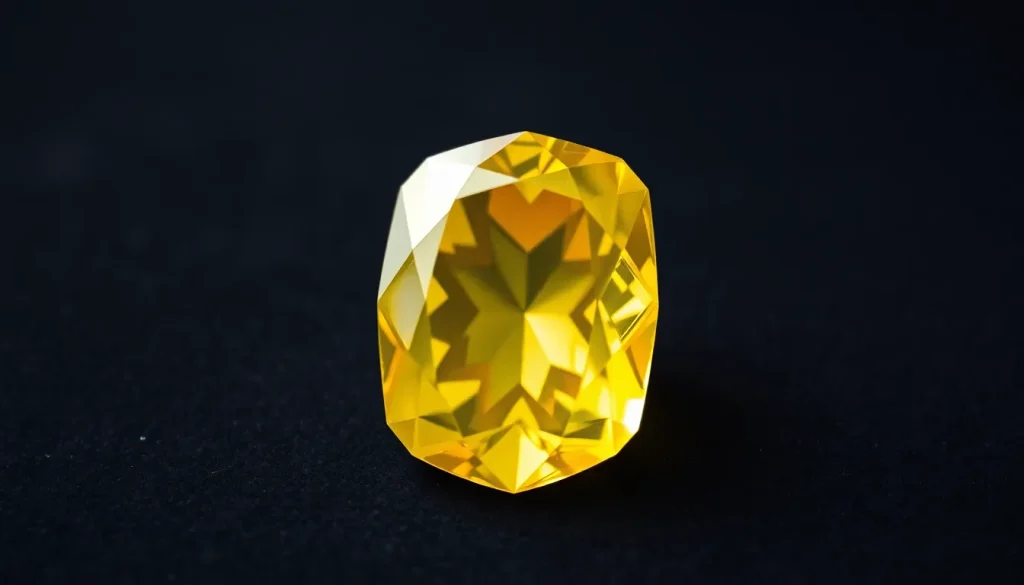
Simpsonite is a rare oxide mineral that belongs to the tetragonal crystal system. It is most noted for its bright yellow to golden coloration and a high‑index adamantine to sub‑adamantine luster. Although it is not widely used in mainstream jewelry because of its scarcity, Simpsonite is valued by collectors for its distinctive appearance and optical properties.
History and Origin
The mineral was first described in 1938 from the Simpson Mine in San Diego County, California, USA, after which it was named. Since that initial discovery, additional specimens have been reported from scattered localities, including Madagascar, Brazil, and other isolated deposits. These occurrences are typically associated with alkaline igneous complexes where niobium‑ and tantalum‑rich fluids crystallize.
Meaning and Symbolism
In traditional gemstone lore, Simpsonite is associated with personal empowerment and clarity of purpose. Its vivid yellow hue is often linked to the sun’s energy, symbolizing optimism, confidence, and the pursuit of one’s goals. Collectors may appreciate the stone as a reminder to stay focused and resilient.
Healing and Metaphysical Properties
Crystal‑healing enthusiasts attribute Simpsonite with the ability to stimulate mental clarity and strengthen willpower. It is believed to support the Solar Plexus chakra, encouraging self‑esteem and decisive action. As with all metaphysical claims, these properties are based on tradition and personal belief rather than scientific evidence.
Varieties and Types
Simpsonite occurs primarily in two visual varieties:
- Yellow to golden yellow: The most common color, ranging from pale lemon to deep amber.
- Colourless to near‑transparent: Rare specimens that may appear almost glassy, often prized for their clarity.
All varieties share the same chemical composition, with minor variations in the niobium‑to‑tantalum ratio that can slightly affect hue.
Jewelry Uses and Care
Because of its relative rarity and moderate hardness (5.5‑6.5 on the Mohs scale), Simpsonite is most often set in protective settings such as bezel or channel designs that reduce the risk of abrasion. The stone should be cleaned with a soft, lint‑free cloth and mild soapy water; ultrasonic cleaners and harsh chemicals are discouraged as they may affect surface polish.
Buying Guide
When evaluating Simpsonite, consider the following factors:
- Color intensity: Deep, even yellow is generally more desirable than pale or uneven tones.
- Clarity: Look for specimens without prominent inclusions that disrupt transparency.
- Cut and proportions: Well‑cut stones display maximal brilliance and showcase the stone’s high refractive index.
- Origin documentation: Reputable dealers will provide locality information and, if possible, a gem‑ological report confirming the mineral’s identity.
- Treatment disclosure: Genuine Simpsonite is rarely treated, but any enhancements (e.g., heat or coating) should be fully disclosed.
Given its scarcity, authentic Simpsonite can command premium prices, especially for high‑quality, well‑cut specimens.
FAQ
What is Simpsonite good for?
Simpsonite is prized by collectors for its vivid yellow color and high brilliance, making it a striking addition to gemstone displays. Traditionally, it is believed to promote confidence and mental clarity, though these effects are not scientifically proven.
Is Simpsonite rare?
Yes, high‑quality Simpsonite is rare. It occurs only in a few localities worldwide and is typically found in small crystal sizes, which limits its availability for jewelry.
How can you tell if Simpsonite is real?
Real Simpsonite exhibits a high refractive index (≈2.07‑2.09), adamantine luster, and a yellow to golden hue. Professional gemologists can confirm authenticity with spectroscopy, density measurement, and X‑ray diffraction.
What chakra is Simpsonite associated with?
In crystal‑healing traditions, Simpsonite is sometimes linked to the Solar Plexus chakra, supporting personal power and confidence, though no single standard chakra is universally assigned.
How should you clean Simpsonite?
Clean Simpsonite with a soft cloth and mild soapy water. Avoid ultrasonic cleaners, steam, or harsh chemicals, as they can damage the surface polish or affect any untreated stone.

Leave a Reply