
Short Answer
Overview
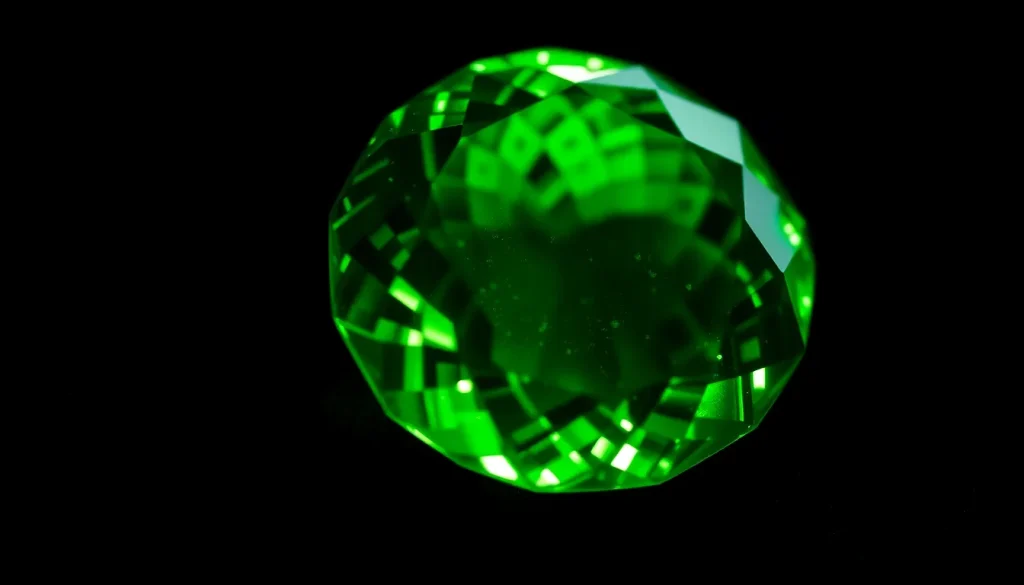
Triphane is a trade name for a highly colored variety of the phosphate mineral apatite. It displays intense neon hues—most commonly green, blue, and yellow—making it one of the most eye‑catching non‑precious gemstones. With a Mohs hardness of about 5, Triphane is relatively soft compared with traditional gemstones, so it is typically set in protective settings such as pendants, earrings, and rings with bezel or channel designs. Its vivid color is natural, though some specimens may be enhanced by heat or irradiation.
History and Origin
The name “Triphane” was coined in the early 20th century by gemstone traders to market the spectacularly colored apatite from the Badakhshan region of Afghanistan. By the 1970s, additional deposits were identified in Pakistan’s Khyber Pakhtunkhwa province, and later smaller localities were found in Brazil and Madagascar. Historically, the stone was used in ornamental carvings and, more recently, in contemporary jewelry designs that celebrate bold color.
Meaning and Symbolism
In traditional gemstone lore, Triphane is associated with clarity of thought, personal growth, and the courage to express one’s true self. Its bright colors are thought to inspire optimism and renewal, making it a popular talisman for those embarking on new ventures.
Healing and Metaphysical Properties
Crystal‑healing enthusiasts claim that Triphane can stimulate the throat chakra, enhancing communication and self‑expression. It is also believed to support the heart by promoting emotional balance and to aid the immune system by encouraging vitality. These attributes are based on folklore and should not be considered medical advice.
Varieties and Types
- Green Triphane – Often compared to emerald in hue but with a more electric intensity.
- Blue Triphane – Ranges from turquoise to deep cobalt, sometimes resembling sapphire.
- Yellow Triphane – Bright lemon to golden shades, occasionally called “sunstone apatite.”
- Heat‑treated Triphane – Some stones are gently heated to improve saturation; treatment should be disclosed.
Jewelry Uses and Care
Because of its moderate hardness, Triphane is best suited for earrings, pendants, and brooches where it is less likely to be struck. Settings that protect the stone from abrasion—such as bezel, halo, or protective backs—are recommended. Cleaning should be done with warm, soapy water and a soft brush; avoid ultrasonic cleaners and harsh chemicals, as they can damage the surface or affect any treatments.
Buying Guide
When selecting Triphane, consider the following:
- Color Saturation – Look for vivid, even color without dull zones.
- Clarity – Minor surface scratches are common; deep inclusions may affect durability.
- Treatment Disclosure – Reputable dealers will note any heat or irradiation treatments.
- Cut and Setting – Well‑cut stones display maximum brilliance; sturdy settings protect against chipping.
- Certification – Gemological certificates from GIA, IGI, or a recognized laboratory add confidence.
FAQ
What is Triphane good for?
Triphane is prized for its vivid color in jewelry and as a collector’s stone; traditionally it is believed to aid communication and personal growth.
Is Triphane rare?
High‑quality, intensely colored Triphane is relatively rare, especially large stones without treatment; common deposits exist but fine material is limited.
How can you tell if Triphane is real?
Examine color saturation, check for natural inclusions, and verify with a gemological laboratory; professional testing confirms authenticity and any treatments.
What chakra is Triphane associated with?
In crystal‑healing traditions Triphane is linked to the throat chakra, supporting communication and self‑expression.
How should you clean Triphane?
Clean gently with warm, soapy water and a soft brush; avoid ultrasonic cleaners, steam, and harsh chemicals, and store it away from harder gemstones.
Leave a Reply