
Short Answer
Overview
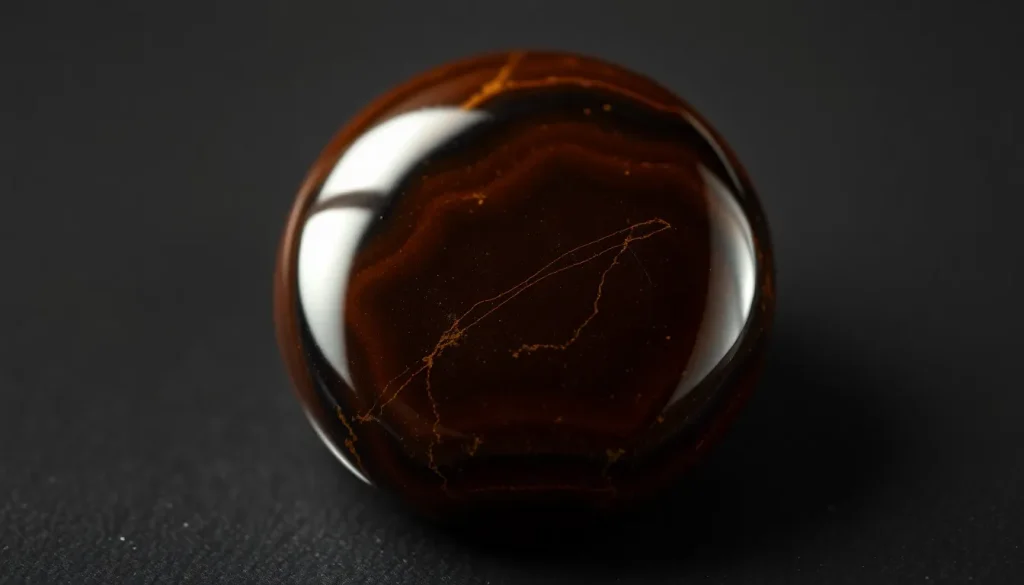
Staurolite is a silicate mineral belonging to the nesosilicate group. It typically forms brown to reddish‑brown prismatic crystals and is best known for its frequent twinned specimens that display a natural cross‑shaped pattern, often called “cross stones.” With a Mohs hardness of 6.5–7 and a vitreous to sub‑adamantine luster, staurolite is primarily a collector’s mineral but occasionally appears in artisanal jewelry.
History and Origin
The name “staurolite” derives from the Greek words stauros (cross) and lithos (stone), a reference to the characteristic cruciform twins. The mineral was first described in 1802 from specimens found in the Harz Mountains of Germany. Naturally occurring cross‑twinned crystals have been reported from several continental shield locations, including the Appalachian region of the United States, Brazil, Madagascar, India, Norway, and Sweden. Historically, the stone was used by indigenous peoples as a talisman for protection and by early mineral collectors for its unique geometry.
Meaning and Symbolism
In traditional folklore, staurolite’s cross‑shaped twins symbolize balance, intersecting pathways, and spiritual protection. Cultures that recognized the stone often associated it with the concept of “bridging” opposing forces—earth and sky, material and spiritual, or masculine and feminine energies. The stone is sometimes presented as a gift to mark a significant decision or a new partnership, reflecting its reputation as a unifier.
Healing and Metaphysical Properties
Crystal‑healing practitioners describe staurolite as a grounding stone that enhances courage and fortitude. It is believed to help the wearer remain centered during periods of change, providing a sense of inner stability. Some traditions claim it can aid in releasing old patterns, encouraging personal transformation, and protecting against negative influences. These claims are based on anecdotal belief systems and should not be taken as medical advice.
Varieties and Types
While the mineral composition remains consistent, staurolite occurs in several visual varieties:
- Typical Brown Staurolite – the most common color, ranging from light brown to deep chocolate.
- Reddish Staurolite – exhibits pink to reddish hues, often found in Brazil.
- Green Staurolite – rare, with a subtle green tint caused by trace chromium.
- Cross‑Twin Specimens – twin crystals intersecting at angles of 60°, 90°, or 108°, the latter being the classic “cross” shape.
Jewelry Uses and Care
Because of its moderate hardness and perfect cleavage on {110}, staurolite is best suited for pendants, cabochons, and bezel‑set pieces where the stone is protected from impact. It should not be used in rings that are subject to frequent abrasion. Care guidelines include:
- Avoid harsh mechanical shocks; the perfect cleavage makes it prone to splitting.
- Clean with warm, soapy water and a soft brush. Do not use ultrasonic cleaners.
- Store separately from harder gemstones to prevent scratching.
- If the stone has been treated (e.g., heat‑enhanced color), follow any specific care instructions from the dealer.
Buying Guide
When selecting staurolite, consider the following criteria:
- Color and Transparency – deep, even coloration with good translucency is preferred for jewelry.
- Twin Quality – well‑formed cross twins are valued by collectors; the angle of the twin can affect aesthetic appeal.
- Cut and Finish – a polished cabochon that showcases the stone’s natural luster is most common.
- Origin – reputable sources from known localities (e.g., North Carolina, Brazil) often carry a higher market confidence.
- Certification – request a gemological report or at least a provenance statement from a qualified laboratory.
Because staurolite is not commonly treated, the price is primarily driven by size, clarity, and the rarity of a perfect cross‑twin. Expect modest prices for small polished pieces, while large, exceptional twin specimens can command premium collector values.
FAQ
What is staurolite good for?
Staurolite is valued by collectors for its striking cross‑twin formations and is occasionally used in pendants or cabochons. Traditionally, it is believed to offer protection and grounding, though these attributes are not scientifically proven.
Is staurolite rare?
High‑quality, well‑formed cross‑twinned staurolite is relatively uncommon, especially in larger sizes. Common brown material is more abundant, but pristine specimens from known localities can be scarce and command higher prices.
How can you tell if staurolite is real?
Real staurolite feels heavy for its size (specific gravity 3.6–4.0), shows a vitreous luster, and may display natural cross twins. A professional gemologist can confirm authenticity with refractive index measurements and microscopic examination.
What chakra is staurolite associated with?
In crystal‑healing circles, staurolite is frequently linked to the Root chakra for grounding, though there is no universally accepted chakra assignment.
How should you clean staurolite?
Clean staurolite with warm, mild soap and a soft brush. Avoid ultrasonic cleaners and harsh chemicals. Store separately from harder gemstones to prevent scratching, and keep it away from strong impacts due to its perfect cleavage.
Leave a Reply