
Short Answer
Overview
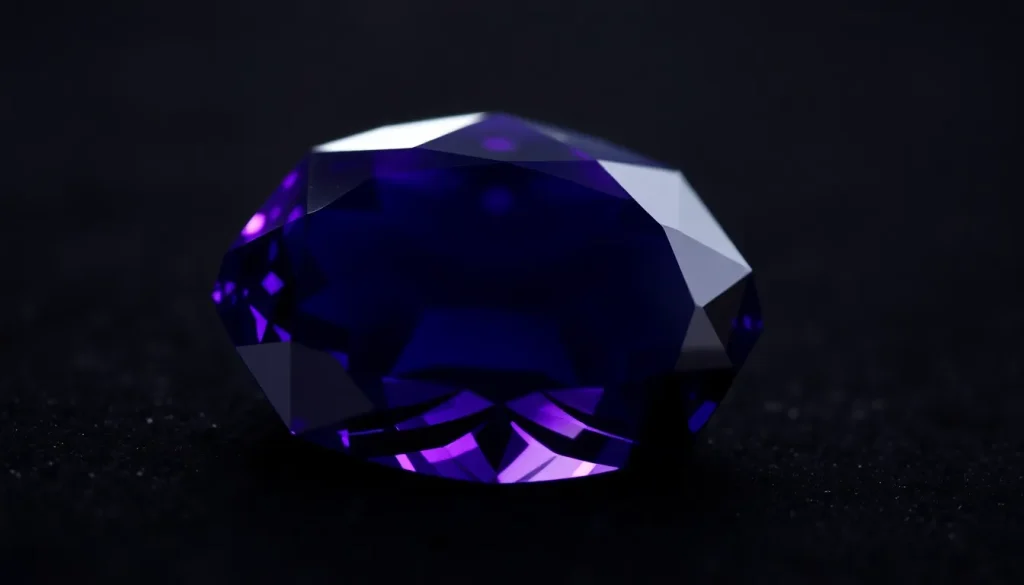
Sugilite is a rare, violet‑colored cyclosilicate mineral prized for its striking hue and spiritual associations. First described in 1944, the gemstone ranges from translucent to transparent and is used in fine jewelry as well as in metaphysical practices.
History and Origin
The mineral was named in honor of Japanese petrologist Ken‑ichi Sugi, who contributed to its early study. It was first discovered in the Hokkaido region of Japan in 1944. Significant gem‑quality deposits were later found in the Namaqualand region of South Africa during the 1970s, which remain the primary source of high‑quality material. Smaller occurrences have been reported from Japan (Matsuo Mine), Canada (British Columbia), and the Ural Mountains of Russia.
Meaning and Symbolism
In gemstone lore, sugilite is said to represent wisdom, spiritual insight, and inner peace. Its deep purple color is traditionally linked to royalty, mystery, and the mystical realms. The stone is often given as a gift to mark significant spiritual milestones.
Healing and Metaphysical Properties
According to crystal‑healing traditions, sugilite is believed to stimulate the third‑eye and crown chakras, assisting meditation, intuition, and emotional balance. Practitioners claim it can help release past trauma, promote self‑acceptance, and enhance psychic abilities. These properties are based on traditional beliefs and are not scientifically validated; they should not replace professional medical advice.
Varieties and Types
All sugilite shares a characteristic violet hue, but variations occur in saturation and clarity. High‑grade material displays a vivid, uniform purple with excellent transparency and minimal inclusions. Lower‑grade stones may appear pinkish, lavender, or exhibit cloudy inclusions that affect brilliance.
Jewelry Uses and Care
With a Mohs hardness of 6.5–7, sugilite is suitable for rings, pendants, earrings, and bracelets, though care is needed to avoid scratches. The gemstone should be cleaned with warm, soapy water and a soft brush; ultrasonic or steam cleaners are not recommended for treated pieces. Store sugilite separately from harder gemstones to prevent abrasion, and avoid prolonged exposure to high heat.
Buying Guide
When purchasing sugilite, consider the following factors:
- Color intensity: Deep, vivid purple is most valued.
- Clarity: Fewer inclusions improve brilliance.
- Cut: Well‑cut stones maximize sparkle.
- Treatment: Natural, untreated sugilite commands higher prices; always ask for treatment disclosure.
- Documentation: Request a gemological report that includes origin, refractive index, specific gravity, and any treatments.
Buy from reputable dealers with clear return policies and consider comparing several specimens before making a decision.
FAQ
What is sugilite good for?
Sugilite is valued for its vivid violet color in jewelry and is traditionally believed to support intuition, emotional healing, and spiritual insight. It is also used as a decorative stone in carvings.
Is sugilite rare?
High‑quality, vivid‑purple sugilite is relatively rare because gem‑grade material is limited to a few localities, especially South Africa. Lower‑grade or treated specimens are more common.
How can you tell if sugilite is real?
Real sugilite has a hardness of 6.5–7, a vitreous luster, and a refractive index around 1.511–1.520. It may show slight pleochroism. Professional testing with a gemological microscope and spectroscope is recommended for certainty.
What chakra is sugilite associated with?
In crystal‑healing traditions, sugilite is commonly linked to the Third Eye chakra and, by extension, the Crown chakra, supporting intuition and spiritual connection.
How should you clean sugilite?
Clean sugilite with warm, mildly soapy water and a soft brush. Rinse thoroughly and pat dry with a lint‑free cloth. Avoid ultrasonic cleaners, steam, or harsh chemicals, especially if the stone has been treated.
Leave a Reply