
Short Answer
For the serious mineral collector, the allure of lead-based gemstones often lies in their striking colors and unique crystalline structures. However, because lead is a cumulative toxicant, these specimens require a higher standard of care than traditional silicates or carbonates. Ensuring safety does not mean avoiding these beautiful minerals, but rather implementing rigorous hygiene and handling protocols to mitigate risk.
Direct Answer
Safe handling of lead-based gemstones involves a combination of minimizing direct skin contact, preventing the inhalation of dust, and maintaining strict hygiene. The primary goal is to prevent lead particles from entering the body via ingestion, inhalation, or absorption. This is achieved through the use of personal protective equipment (PPE), dedicated cleaning areas, and secure storage solutions that prevent the accumulation of lead-contaminated dust in living spaces.
Relevant Conditions
The risk level associated with lead-based gemstones varies depending on the state of the mineral and the activity being performed:
- Intact Crystals: Solid, well-formed crystals generally pose a low risk if handled briefly and washed afterward.
- Friable Specimens: Minerals that crumble, flake, or produce a powder (such as some lead oxides) pose a significant inhalation risk.
- Lapidary Work: Cutting, grinding, or polishing lead-based stones is the most dangerous condition, as it creates fine airborne particulates and contaminated slurry.
- Environmental Factors: Handling these stones in areas where food is prepared or where children and pets have access increases the risk of accidental ingestion.
Recommended Steps
To maintain a safe collection environment, collectors should adhere to the following operational steps:
1. Handling and Manipulation
Always treat lead-based specimens with caution. Use the following protocol:
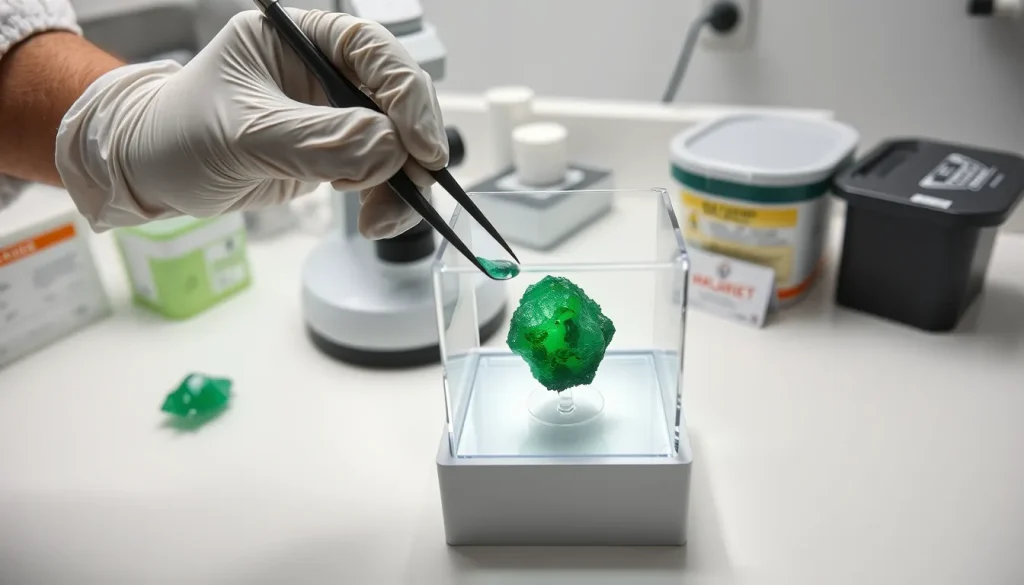
- Wear Gloves: Use nitrile or latex gloves when handling raw specimens to prevent lead salts from adhering to the skin.
- Use Tools: Utilize tweezers or forceps for small crystals to maintain distance between the specimen and your hands.
- Dedicated Workspace: Designate a specific table or tray for lead minerals. Avoid placing them on surfaces where you eat or work.
2. Cleaning and Maintenance
Cleaning must be done carefully to avoid creating aerosols or contaminated runoff:
- Wet Cleaning: Use damp cloths or soft brushes. Never use compressed air or dry brushing, as this launches lead dust into the air.
- Containment: Perform cleaning over a disposable liner or a dedicated plastic tray that can be easily wiped down.
- Waste Disposal: Treat all cloths, cotton swabs, and paper towels used for cleaning as hazardous waste. Do not flush them down the drain.
3. Storage and Display
Proper containment prevents the spread of lead dust throughout the home:
Expert Tip: The safest storage for lead-based minerals is an airtight, transparent container (such as a high-quality acrylic box). This allows for visibility while ensuring that any microscopic shedding remains contained.
- Seal the Specimen: Use sealed display cases rather than open shelves.
- Labeling: Clearly mark containers as containing lead-based minerals to alert others of the potential hazard.
- Ventilation: Store larger collections in a well-ventilated room away from bedrooms or kitchens.
Exceptions
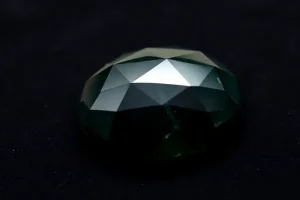
Not all lead-bearing minerals carry the same risk profile. For example, Galena (PbS) is relatively stable, but it can react with the environment to form secondary lead carbonates (like cerussite) which may be more soluble. Furthermore, gemstones that are professionally faceted and polished are significantly safer than raw minerals because the lead is locked within a stable, non-porous surface. However, if a polished lead-based stone becomes cracked or chipped, it should be treated with the same caution as a raw specimen.
When to Ask a Professional
Certain situations exceed the capabilities of a home collector and require professional intervention:
- Lapidary Processing: If you intend to cut or polish lead-based stones, you must use a professional-grade wet saw with a HEPA-filtered vacuum system. If you do not have this equipment, outsource the work to a professional lapidary.
- Contamination Suspicions: If you suspect that lead dust has spread to your carpets or furniture, contact an environmental remediation specialist for lead testing.
- Health Concerns: If you have spent significant time handling lead minerals and experience symptoms such as unexplained fatigue, joint pain, or cognitive fog, consult a physician for a blood lead level (BLL) test.
FAQ
Is it safe to wear lead-based gemstones in jewelry?
Generally, if the stone is professionally faceted, polished, and securely set, the risk is very low. However, raw or porous lead minerals should not be worn against the skin for extended periods.
Can I clean lead minerals with an ultrasonic cleaner?
While possible, it is not recommended unless the cleaner is dedicated solely to lead minerals. The ultrasonic process can create a contaminated slurry that is difficult to clean out of the machine.
Do I need a special license to collect lead-based minerals?
No, they are not regulated like radioactive minerals, but the collector is responsible for following safety guidelines to prevent environmental contamination.
Leave a Reply