
Short Answer
Overview
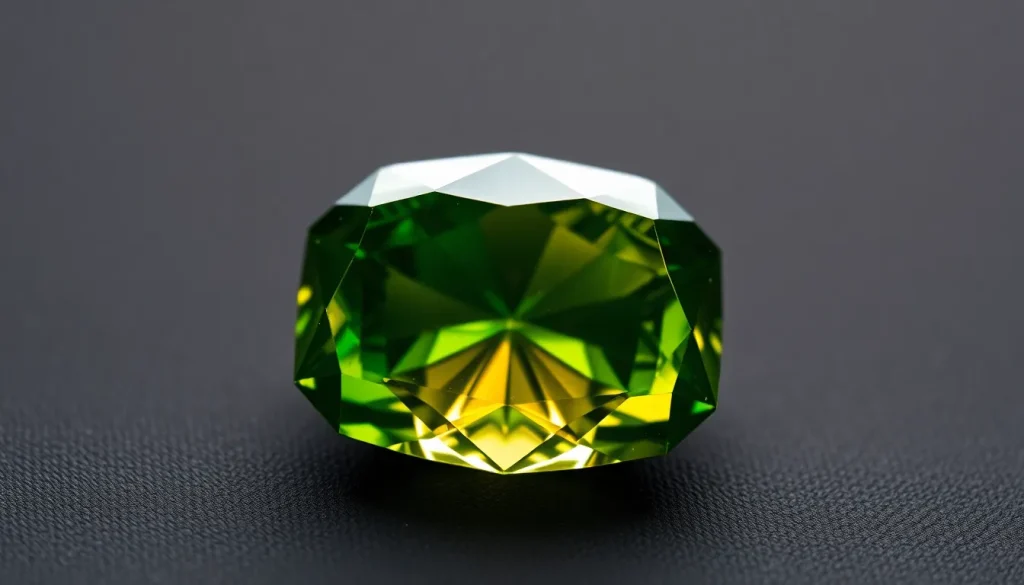
Titanite, historically known as sphene, is a calcium‑titanium nesosilicate mineral with the chemical formula CaTiSiO5. It crystallizes in the monoclinic system and is distinguished by its high refractive index, strong dispersion (often called “fire”), and marked pleochroism. Gem‑quality specimens are cut as faceted gems and display colors ranging from yellow, orange, and brown to vivid greens and reds. Its brilliance and rarity as a gemstone make it a favorite among collectors and designers seeking a distinctive alternative to more common stones.
History and Origin
The name “sphene” derives from the Greek word sphenos, meaning wedge, a reference to its typical wedge‑shaped crystal habit. Titanite was first described in 1798 from an occurrence in Langesundsfjord, Norway. Historically, it was primarily a mineralogical curiosity; only in the late 20th century did gem cutters recognize its potential for jewelry, especially after discovering high‑dispersion, color‑shifting specimens from Madagascar and Canada.
Major modern sources include Norway, Canada (Ontario), the United States (California, Maine), Madagascar, Tanzania, Brazil, China, and Russia. Each locality can impart subtle variations in hue and clarity, influencing the stone’s market value.
Meaning and Symbolism
In traditional gemstone lore, titanite is associated with clarity of thought and personal transformation. Its vivid color changes are said to reflect the wearer’s ability to see multiple perspectives. It is sometimes linked to the concept of “inner fire,” symbolizing motivation, ambition, and the courage to pursue one’s goals.
Because of its rarity and brilliance, titanite is often presented as a gift to celebrate milestones such as graduations, promotions, or new ventures.
Healing and Metaphysical Properties
Crystal‑healing practitioners attribute several metaphysical qualities to titanite. It is believed to enhance mental focus, aid in decision‑making, and support the integration of intuition with rational analysis. Some claim it helps release old patterns, encouraging personal growth and self‑confidence. These properties are rooted in tradition and should not be taken as medical advice.
Varieties and Types
While the mineral itself is uniform, gem‑quality titanite is categorized by color and clarity:
- Yellow/Orange Sphene: The most common commercial variety, prized for its sunny hue and strong fire.
- Green Sphene: Often called “green titanite,” valued for its vivid emerald‑like color and high dispersion.
- Red/Brown Sphene: Less common; these stones display deep earthy tones and are sought after by collectors.
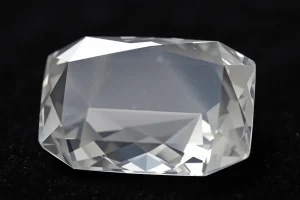
- Colorless/White Sphene: Rare, high‑clarity specimens that showcase the stone’s brilliance without hue.
All varieties exhibit pleochroism—changing color when viewed from different angles—which adds to their visual intrigue.
Jewelry Uses and Care
Due to its Mohs hardness of 5.5‑6.5, titanite is best suited for earrings, pendants, and rings that are not subjected to heavy impact. Settings that protect the stone, such as bezel or halo, are recommended. When cleaning, use a soft brush and mild soapy water; avoid ultrasonic cleaners and steam, which can exacerbate its perfect cleavage on {001} and potentially cause fracture.
Store titanite separately from harder gemstones to prevent scratching. For long‑term preservation, keep the stone away from prolonged direct sunlight, as some colors may fade over time.
Buying Guide
When purchasing titanite, consider the following factors:
- Color and Pleochroism: Vibrant, saturated colors with strong pleochroic shifts are most desirable.
- Clarity: Inclusions are common; aim for stones with minimal visible inclusions to the naked eye.
- Cut: Well‑cut facets maximize fire and minimize the appearance of cleavage planes.
- Origin: Provenance can affect value; gems from Madagascar and Canada are often prized for color intensity.
- Treatment Disclosure: Some titanite is heat‑treated to enhance color; reputable dealers will disclose any treatments.
n
Always request a gem‑ological report from a recognized laboratory (e.g., GIA, IGI) for high‑value stones. Buying from certified dealers reduces the risk of misidentification with similar‑appearing minerals such as garnet or spinel.
FAQ
What is titanite good for?
Titanite is valued for its striking fire and pleochroic colors in jewelry, and traditionally believed to aid mental clarity, confidence, and personal transformation.
Is titanite rare?
High‑quality, vivid‑color titanite is relatively rare. While the mineral is not scarce, gem‑grade stones with excellent color, clarity, and cut are limited, especially from renowned localities.
How can you tell if titanite is real?
Real titanite shows strong dispersion, pleochroism, and a perfect cleavage plane under magnification. It has a refractive index above 1.70. Professional testing (e.g., spectroscopy or a GIA report) confirms authenticity.
What chakra is titanite associated with?
In crystal‑healing traditions, titanite is often linked to the Throat (Vishuddhi) and Heart (Anahata) chakras, though there is no universally accepted single association.
How should you clean titanite?
Clean titanite with warm soapy water and a soft brush. Avoid ultrasonic cleaners, steam, and harsh chemicals. Store it separately and protect it from hard impacts due to its perfect cleavage.
Leave a Reply