
Short Answer
Overview
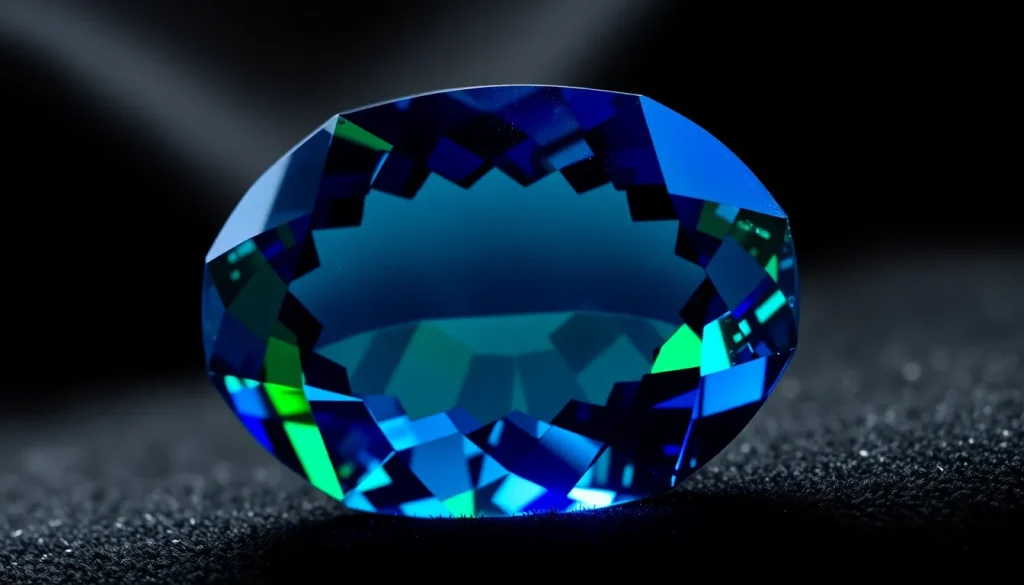
The tourmaline subgroup comprises a family of cyclosilicate minerals that share a common crystal structure but vary widely in chemical composition. This results in an extraordinary range of colors, from jet‑black schorl to neon‑pink rubellite, making tourmaline one of the most versatile gemstones in the market. Tourmaline is prized for its strong pleochroism, high hardness, and distinctive crystal habit of elongated, six‑sided prisms.
History and Origin
Tourmaline was first described in the late 18th century from deposits in the Brazilian state of Minas Gerais. The name derives from the Sinhalese word “turamali,” meaning “mixed gem,” reflecting its multicolored nature. Over the centuries, major sources have expanded to include Afghanistan (paraíba tourmaline), Mozambique, Nigeria, the United States (California and Maine), Madagascar, Pakistan, and Sri Lanka. Historically, tourmaline was used as a talisman and in ornamental carvings before becoming a staple in modern jewelry.
Meaning and Symbolism
In traditional gemstone lore, tourmaline is considered a stone of protection and inspiration. Its broad color palette allows each variety to carry specific symbolic meanings: black tourmaline is associated with grounding and shielding, while pink tourmaline is linked to love and emotional healing. Blue tourmaline (indicolite) is thought to promote communication, and green tourmaline (verdelite) is linked to growth and renewal. Collectively, the stone is said to balance the energies of the wearer.
Healing and Metaphysical Properties
Crystal‑healing practitioners attribute a range of metaphysical properties to tourmaline based on color. Common beliefs include:
- Black schorl: Grounding, protection from negative electromagnetic fields, and emotional stability.
- Pink rubellite: Heart‑centered love, self‑acceptance, and compassion.
- Blue indicolite: Enhancing communication, intuition, and calm.
- Green verdelite: Encouraging growth, prosperity, and physical vitality.
These associations are traditional and should not replace professional medical advice.
Varieties and Types
The tourmaline subgroup includes several well‑known varieties, each defined by its dominant trace elements:
| Variety | Typical Color | Key Elements |
|---|---|---|
| Schorl | Black | Iron‑rich |
| Dravite | Brown to olive | Magnesium‑rich |
| Elbaite | Multicolored (including paraíba) | Lithium, sodium, calcium |
| Uvite | Green | Vanadium‑rich |
| Liddicoatite | Blue‑green | Calcium‑rich |
| Rubellite | Pink to red | Manganese‑rich |
| Indicolite | Blue to violet | Iron‑rich |
Each type may display pleochroism—different colors when viewed from different angles—adding to its visual intrigue.
Jewelry Uses and Care
Tourmaline’s hardness of 7–7.5 on the Mohs scale makes it suitable for rings, earrings, pendants, and bracelets. However, its cleavage is absent; it fractures conchoidally, so care should avoid sharp impacts. Many tourmalines are heat‑treated or irradiated to enhance color; such treatments can affect cleaning methods. Recommended care:
- Clean with warm, soapy water and a soft brush; avoid ultrasonic cleaners for treated stones.
- Dry with a lint‑free cloth; store separately from softer gems to prevent scratching.
- Avoid prolonged exposure to harsh chemicals or high heat, especially for heat‑treated varieties.
Buying Guide
When purchasing tourmaline, consider the following factors:
- Color intensity and uniformity: Vivid, evenly distributed color commands higher value.
- Clarity: Inclusions are common; eye‑clean stones are rarer and more valuable.
- Cut: Well‑cut prisms showcase pleochroism and luster.
- Treatment disclosure: Reputable dealers should disclose any heat treatment or irradiation.
- Origin: Certain locales, such as Paraíba (Brazil) for neon‑blue tourmaline, carry premium pricing.
Request a gem‑ological report from a recognized laboratory (e.g., GIA, IGI) for high‑value specimens. Verify that the seller offers a return policy and clear provenance documentation.
FAQ
What is tourmaline good for?
Tourmaline is valued for its vibrant colors in jewelry, its hardness suitable for daily wear, and its traditional use in crystal‑healing practices for protection, emotional balance, and communication.
Is tourmaline rare?
Rarity depends on color, clarity, and origin. Common black schorl is abundant, while vivid neon‑blue paraíba tourmaline or eye‑clean pink rubellite are considered rare and command higher prices.
How can you tell if tourmaline is real?
Authentic tourmaline feels heavy for its size, shows strong pleochroism, and registers a Mohs hardness of 7–7.5. Professional testing with a gem‑ological laboratory can confirm its identity and any treatments.
What chakra is tourmaline associated with?
Traditional beliefs link tourmaline most commonly to the Heart (Anahata) chakra, though specific colors are sometimes associated with other chakras such as the Throat (blue) or Root (black).
How should you clean tourmaline?
Clean tourmaline with warm, mildly soapy water and a soft brush. Avoid ultrasonic cleaners for heat‑treated stones, and keep the gem away from harsh chemicals or extreme heat.
Leave a Reply