
Short Answer
Overview
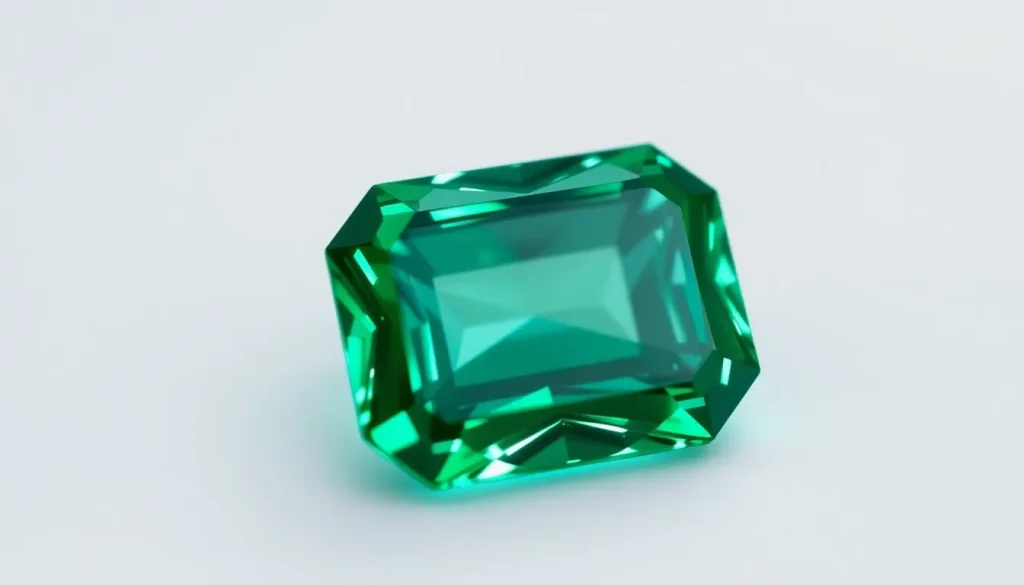
The term Chrome (sometimes written as Chrome (var.)) is not a mineral species but a trade designation for gemstones whose striking green to black coloration is caused by trace amounts of chromium (Cr³⁺). The most common minerals sold under this name are chrome spinel (a chromium‑bearing variety of spinel) and chrome diopside (a chromium‑rich diopside). Both display a vivid, saturated hue that ranges from emerald‑green through deep forest‑green to an almost opaque black, often with a high degree of brilliance.
Because the name refers to a color rather than a specific crystal chemistry, the physical properties of Chrome gemstones can vary considerably. Nevertheless, they share a reputation for vivid color, decent hardness, and suitability for a range of jewelry applications.
History and Origin
Chromium‑colored gemstones have been known to collectors since the early 20th century, when the first commercial shipments of green spinel from Tanzania (formerly Tanganyika) entered the market. The name “chrome” was coined by gem traders to highlight the chromium element responsible for the hue, distinguishing these stones from the more common brown or pink spinel varieties.
Chrome diopside was first reported from the island of Mongolia in the 1960s, but significant deposits were later discovered in the Kalahari region of South Africa and in the Pamir Mountains of Tajikistan. Today, notable sources include South Africa, Tanzania, Kenya, Pakistan, Brazil, and Afghanistan.
Meaning and Symbolology
In traditional gemstone lore, Chrome stones are associated with renewal, vitality, and the heart’s emotional balance. Their deep green color is likened to the lushness of spring foliage, symbolizing growth, abundance, and the promise of new beginnings.
Because the hue is produced by chromium—a metal historically linked to protective armor—the stones are also thought to offer a subtle form of personal protection, especially against negative energies.
Healing and Metaphysical Properties
Crystal‑healing practitioners attribute the following properties to Chrome gemstones:
- Heart‑centered healing: Enhances compassion, forgiveness, and emotional openness.
- Physical vitality: Believed to support the circulatory and immune systems, though these claims are not medically substantiated.
- Grounding: Helps the wearer feel more rooted and stable during times of stress.
These beliefs are part of traditional metaphysical systems and should not replace professional medical advice.
Varieties and Types
Chrome Spinel
Chrome spinel (chemical formula MgAl2O4) belongs to the spinel group of oxides. Chromium substitutes for aluminum in the crystal lattice, producing colors from vivid emerald green to almost black. The mineral crystallizes in the cubic system, giving it excellent symmetry and a high refractive index (≈1.71‑1.78). Its Mohs hardness of 8 makes it suitable for most jewelry settings.
Chrome Diopside
Chrome diopside (CaMgSi2O6) is a member of the pyroxene group. Chromium replaces some of the iron and manganese in the structure, generating a rich green hue. It crystallizes in the monoclinic system and is softer than spinel, with a Mohs hardness of 6.5‑7. This variety is often cut as cabochons or facets for pendants and earrings.
Other Chromium‑Colored Varieties
Occasionally, the “chrome” label is applied to other gems such as chrome garnet (a chromium‑rich almandine) or chrome tourmaline. These are far less common and are usually identified by their specific mineral names rather than the generic “chrome” term.
Jewelry Uses and Care
Chrome gemstones are favored for their vivid color and relative durability. Typical jewelry applications include:
- Faceted rings (especially chrome spinel, due to its hardness).
- Cabochon pendants and earrings (common for chrome diopside).
- Beaded necklaces and bracelets, often combined with silver or white gold to accentuate the green hue.
Care recommendations:
- Cleaning: Use a soft brush and warm soapy water. Rinse thoroughly and pat dry with a lint‑free cloth.
- Avoid harsh chemicals: Acids, bleach, and chlorine can damage surface treatments and, in the case of diopside, may cause etching.
- Storage: Keep pieces separate from harder stones (e.g., diamonds, sapphires) to prevent scratching, especially for diopside.
- Heat sensitivity: While spinel tolerates heat, diopside can be affected by sudden temperature changes; avoid exposing it to direct flame.
Buying Guide
When purchasing Chrome gemstones, consider the following factors:
- Variety identification: Ask the seller to specify whether the stone is chrome spinel, chrome diopside, or another chromium‑bearing mineral.
- Color saturation: The most valuable stones exhibit an even, intense green without brown or gray undertones.
- Clarity: Inclusions are common, especially in diopside. Small, eye‑clean stones command higher prices.
- Cut and proportions: Well‑cut facets enhance brilliance in spinel; smooth cabochons showcase the depth of color in diopside.
- Treatment disclosure: Some chrome dioptides are heat‑treated to improve color. Ensure any treatment is disclosed, as it can affect value and care.
- Certification: For high‑value pieces, request a gemological report from a reputable laboratory (GIA, IGI, or equivalent).
By evaluating these criteria, buyers can select Chrome gemstones that meet both aesthetic and durability expectations.
FAQ
What is Chrome good for?
Chrome gemstones are valued for their vivid green color in jewelry, and traditionally they are believed to promote emotional balance and vitality.
Is Chrome rare?
High‑quality chrome spinel is relatively scarce, especially in large, eye‑clean pieces; chrome diopside is more abundant but fine, color‑saturated stones are less common.
How can you tell if Chrome is real?
Examine hardness, refractive index, and inclusions; a professional gemological laboratory can provide definitive identification and confirm the mineral variety.
What chakra is Chrome associated with?
Traditionally, Chrome is linked to the Heart (Anahata) chakra, reflecting its green hue and themes of love and renewal.
How should you clean Chrome?
Clean with warm soapy water and a soft brush, avoid harsh chemicals, store separately from harder stones, and be cautious with heat on chrome diopside.
Leave a Reply