
Short Answer
Overview
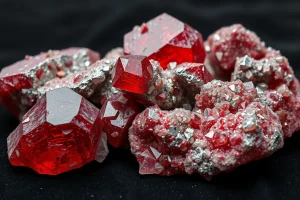
Rossmanite is a silicate mineral belonging to the epidote group, characterized by a monoclinic crystal system and a vitreous to sub‑adamantine luster. Its typical colors range from vibrant emerald green through brown‑green to nearly black, reflecting variations in iron content. With a Mohs hardness of 6–6.5, it is harder than many ornamental stones but softer than quartz, making it suitable for specialty jewelry that does not endure heavy impact. Although not widely traded as a mainstream gemstone, polished Rossmanite is prized by collectors for its rarity and the subtle play of light within its crystal lattice.
History and Origin
The mineral was first described in scientific literature in the late 20th century and named in honor of mineralogist Gary Rossman for his contributions to crystal chemistry. Rossmanite forms in medium‑ to high‑grade metamorphic rocks where calcium‑rich pelitic or carbonate sequences interact with iron‑rich hydrothermal fluids. Notable localities include the Franciscan Complex of California (USA), the Ural Mountains of Russia, the Sudbury region of Ontario (Canada), and the New South Wales greenstone belts of Australia. Specimens from these regions often display distinct color zoning, providing clues to the pressure‑temperature conditions of their formation.
Meaning and Symbolism
In traditional gemstone lore, green stones are associated with growth, renewal, and the heart’s emotional balance. Rossmanite’s deep green hues are interpreted as symbols of personal transformation and a deep connection to nature’s vitality. Collectors and designers sometimes use the stone to represent rare beauty, geological uniqueness, and the idea of emerging strength from the earth.
Healing and Metaphysical Properties
Within crystal‑healing circles, Rossmanite is believed to resonate with the Heart (Anahata) chakra, encouraging compassion, forgiveness, and emotional openness. Practitioners claim it can help stabilize mood, promote grounding, and assist in releasing old patterns. These attributes are based on traditional beliefs and should not be taken as medical advice.
Varieties and Types
- Green Rossmanite – ranging from light emerald to deep forest green; the most commonly sought color for jewelry.
- Brown‑Green Rossmanite – displays a warm brownish tint, often occurring in specimens from higher‑temperature metamorphic zones.
- Black Rossmanite – a rarer variety where higher iron concentrations darken the stone to an almost opaque black, prized for dramatic contrast in modern designs.
All varieties share the same monoclinic crystal structure and physical properties; however, color intensity and clarity significantly influence market desirability.
Jewelry Uses and Care
Because of its 6–6.5 hardness, Rossmanite is best suited for pendants, earrings, brooches, and rings that are not subject to frequent impact. The stone is most often cut as a cabochon to showcase its color and natural striations, though limited faceted cuts exist for particularly clear specimens.
Care guidelines:
- Avoid prolonged exposure to harsh chemicals, acids, or extreme heat.
- Clean with warm, mildly soapy water and a soft brush; rinse thoroughly and dry with a lint‑free cloth.
- Do not use ultrasonic cleaners, as rapid temperature changes can induce micro‑fractures.
- Store separately from harder gemstones such as quartz, sapphire, or topaz to prevent scratching.
Buying Guide
When purchasing Rossmanite, consider the following factors to ensure quality and authenticity:
- Color and Clarity – Uniform, vivid green or deep brown‑green with minimal cloudiness is most desirable. Black varieties should exhibit consistent coloration without excessive inclusions.
- Cut and Finish – A well‑polished cabochon will highlight the stone’s luster; inspect for surface chatter or uneven polishing.
- Origin Documentation – Reputable dealers provide provenance, especially for specimens from renowned localities such as California or the Urals.
- Treatment Disclosure – Ensure the stone has not been artificially dyed or heat‑treated unless clearly disclosed.
- Certification – For higher‑value pieces, request a gem‑ological laboratory report (e.g., GIA, IGI) to verify mineral identity and any treatments.
FAQ
What is Rossmanite good for?
Rossmanite is valued by collectors for its rare green to black hues and is used in specialty jewelry. Traditional beliefs associate it with heart‑chakra balancing and emotional renewal, but these are not medical claims.
Is Rossmanite rare?
High‑quality Rossmanite is relatively rare, especially in vivid green or deep black colors. Rarity depends on locality, crystal size, color uniformity, and whether the stone is untreated.
How can you tell if Rossmanite is real?
Authentic Rossmanite shows a monoclinic habit, perfect cleavage on {001}, and a refractive index between 1.73‑1.78. Examine under a loupe for natural striations and request a gem‑lab report for confirmation.
What chakra is Rossmanite associated with?
In crystal‑healing traditions, Rossmanite is linked to the Heart (Anahata) chakra, supporting love, compassion, and emotional balance.
How should you clean Rossmanite?
Clean Rossmanite with warm, mildly soapy water and a soft brush, then rinse and dry with a lint‑free cloth. Avoid ultrasonic cleaners, harsh chemicals, and extreme heat.
Leave a Reply