Short Answer
Overview
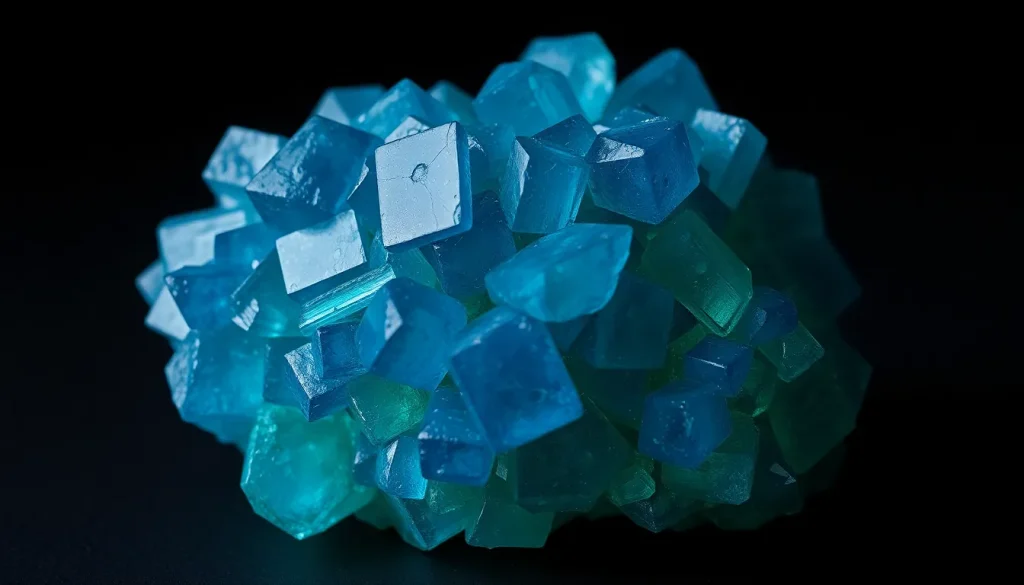
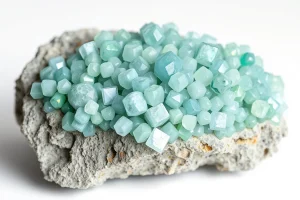
Vivianite is a hydrated iron phosphate mineral (Fe3(PO4)2·8H2O) that is most famous for its striking color change. Freshly cut specimens are nearly colorless, but exposure to air oxidizes the iron from Fe(II) to Fe(III), producing deep blue, blue‑green, or emerald‑green hues. The mineral typically forms tabular, platy crystals in the monoclinic system and is prized by collectors and occasional jewelry makers.
History and Origin
Vivianite was first described in 1817 by the Swedish mineralogist Nils Gustaf Ekholm, who named it after the eminent English mineralogist Philip Vivian. Natural deposits are found in oxidized zones of iron‑rich phosphate ores, often forming as secondary minerals in sedimentary and hydrothermal environments. Notable localities include Långban (Sweden), the Grand Reef mine (Arizona, USA), the Malanje region (Angola), and several sites in Brazil and Japan.
Meaning and Symbolism
In traditional gemstone lore, vivianite is associated with transformation and emotional depth. Its color shift from clear to vivid blue is interpreted as a symbol of personal growth, inner truth, and the unveiling of hidden feelings. The stone is sometimes used in talismans to encourage honesty and to aid in expressing one’s authentic self.
Healing and Metaphysical Properties
Crystal‑healing practitioners attribute the following properties to vivianite:
- Emotional balance: Believed to soothe anxiety and promote calmness.
- Communication: Said to assist in clear self‑expression, especially for those who feel unheard.
- Spiritual insight: Thought to stimulate intuition and support meditation focused on inner truth.
These claims are based on traditional beliefs and are not medical advice.
Varieties and Types
Vivianite does not have widely recognized commercial varieties, but specimens can differ in color intensity and crystal habit:
- Fresh vivianite – Nearly colorless or very pale green when first cut.
- Oxidized vivianite – Develops deep blue to blue‑green tones after exposure to air.
- Massive aggregates – Often appear as compact, opaque nodules used in ornamental objects.
Jewelry Uses and Care
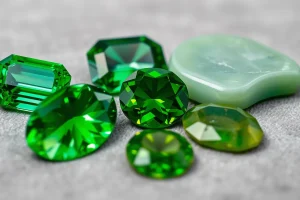
Because vivianite has a low hardness (1.5–2.5 on the Mohs scale) and perfect cleavage, it is fragile and rarely used in everyday jewelry. When set, it is typically incorporated into pendants, earrings, or brooches that are protected by bezel or resin settings. Care instructions include:
- Avoid mechanical impact; handle with soft gloves.
- Store separately from harder gemstones to prevent scratching.
- Limit exposure to moisture and chemicals; clean gently with a soft, dry cloth.
Buying Guide
When purchasing vivianite, consider the following factors:
- Color development: Specimens that have already oxidized to a deep blue are often more desirable, but some collectors prefer the color‑changing potential of fresh material.
- Crystal quality: Look for well‑formed tabular crystals with minimal surface damage.
- Size and weight: Larger pieces are rarer and command higher prices.
- Treatment disclosure: Verify whether the stone has been artificially oxidized or stabilized; reputable sellers should disclose any treatments.
- Certification: For high‑value specimens, request a gemological report from a recognized laboratory.
FAQ
What is vivianite good for?
Vivianite is valued by collectors for its vivid blue‑green color and by jewelers for occasional ornamental pieces. In crystal‑healing circles it is believed to aid emotional balance and clear communication, though these are traditional beliefs, not medical facts.
Is vivianite rare?
High‑quality vivianite with deep, uniform coloration is relatively rare due to its fragile nature and limited large crystal formations. It occurs in several countries, but sizable, well‑formed specimens are uncommon and can be costly.
How can you tell if vivianite is real?
Real vivianite exhibits a distinct color change from nearly colorless to blue‑green when exposed to air. It also shows perfect cleavage and a sub‑adamantine luster. Professional gemological testing, such as X‑ray diffraction or spectroscopy, confirms its identity.
What chakra is vivianite associated with?
Traditionally, vivianite is linked to the Heart (Anahata) chakra, where it is thought to support emotional openness and compassionate communication.
How should you clean vivianite?
Because vivianite is soft and easily cleaved, clean it only with a soft, dry microfiber cloth. Avoid ultrasonic cleaners, steam, or chemical solvents. Store it in a padded container away from harder gemstones.
Leave a Reply