
Short Answer
Overview
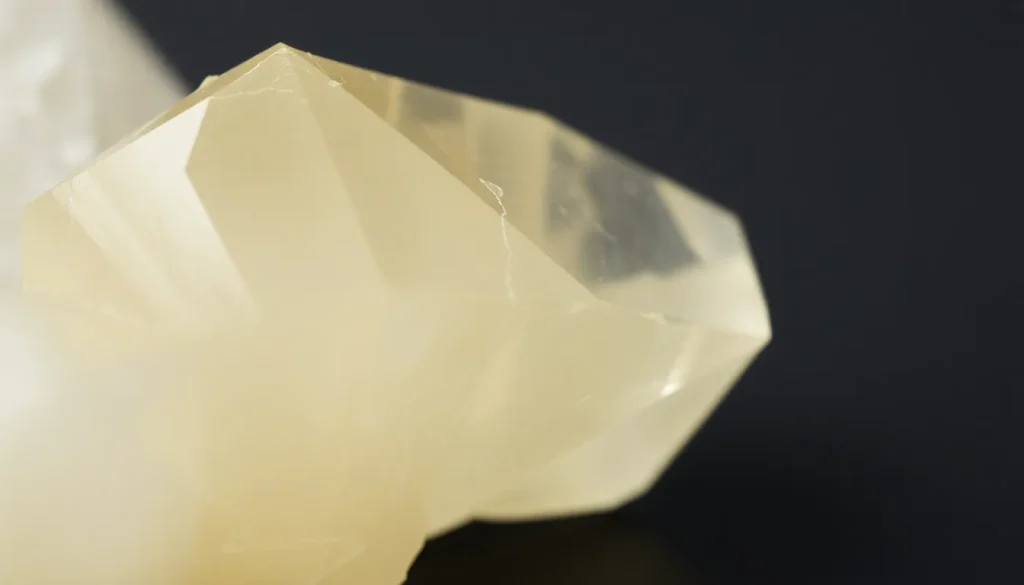
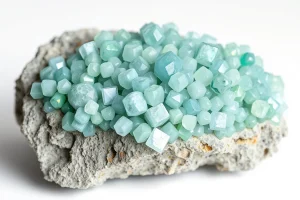
Wilkeite is a rare phosphate mineral composed primarily of sodium, calcium, beryllium, and phosphate groups. It typically forms colorless to pale‑yellow crystals with a vitreous luster and is occasionally cut for specialty jewelry.
History and Origin
The mineral was first described in the early 20th century and named in honor of German mineralogist Wilhelm Wilke. Known occurrences are limited to a few hydrothermal veins, and the stone has remained of interest mainly to collectors and researchers.
Meaning and Symbolism
In gemstone lore, Wilkeite is associated with clarity of thought and inner vision. It is said to encourage honesty and inspire a calm, reflective mindset, making it a symbolic choice for personal talismans.
Healing and Metaphysical Properties
Traditional crystal‑healing beliefs attribute Wilkeite with the ability to clear mental fog, enhance intuition, and support meditation. Practitioners claim it can help align the crown chakra and promote spiritual insight. These claims are not medically verified.
Varieties and Types
Wilkeite does not have widely recognized varieties. Specimens may differ in hue from completely colorless to very light yellow, depending on trace impurities. Some crystals exhibit well‑developed terminations that are favored by lapidaries.
Jewelry Uses and Care
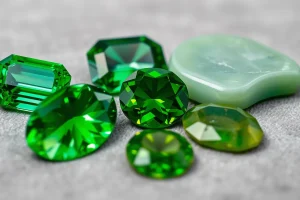
Because of its modest hardness, Wilkeite is best suited for pendants, earrings, or brooch settings where the stone is protected from impact. It should be set in protective mounts such as bezel or channel settings.
Care instructions include:
- Avoid harsh chemicals; clean with mild soap and lukewarm water.
- Use a soft brush or microfiber cloth; do not ultrasonic clean.
- Store separately from harder gemstones to prevent scratching.
Buying Guide
When purchasing Wilkeite, consider the following:
- Color clarity – prefer specimens that are uniformly colorless or evenly pale yellow.
- Cut quality – well‑faced terminations enhance brilliance.
- Origin documentation – reputable dealers should provide locality information.
- Treatment disclosure – untreated stones are most valued; any stabilization or impregnation should be disclosed.
Because the market is niche, prices vary widely. Consulting a certified gemologist is advisable before acquisition.
FAQ
What is Wilkeite good for?
Wilkeite is prized by collectors for its rarity and by some jewelry makers for its subtle clarity. Traditional crystal‑healing beliefs credit it with mental clarity, spiritual insight, and grounding of thoughts, though these are not medically proven.
Is Wilkeite rare?
Yes, Wilkeite is considered a rare mineral. Quality specimens with good color, clarity, and well‑formed crystals are uncommon, and documented localities are limited, making it a niche item for collectors.
How can you tell if Wilkeite is real?
A real Wilkeite will display a vitreous luster, a white streak, and a specific gravity around 2.8. Its refractive index falls between 1.55 and 1.57. Professional gemological testing, such as spectroscopy or X‑ray diffraction, provides definitive verification.
What chakra is Wilkeite associated with?
In crystal‑healing traditions Wilkeite is most commonly linked to the Crown Chakra, supporting higher consciousness and spiritual connection.
How should you clean Wilkeite?
Clean Wilkeite with mild soap and lukewarm water, using a soft brush or microfiber cloth. Avoid ultrasonic cleaners, harsh chemicals, and high‑temperature treatments. Store it separately from harder stones to prevent scratches.
Leave a Reply