
Short Answer
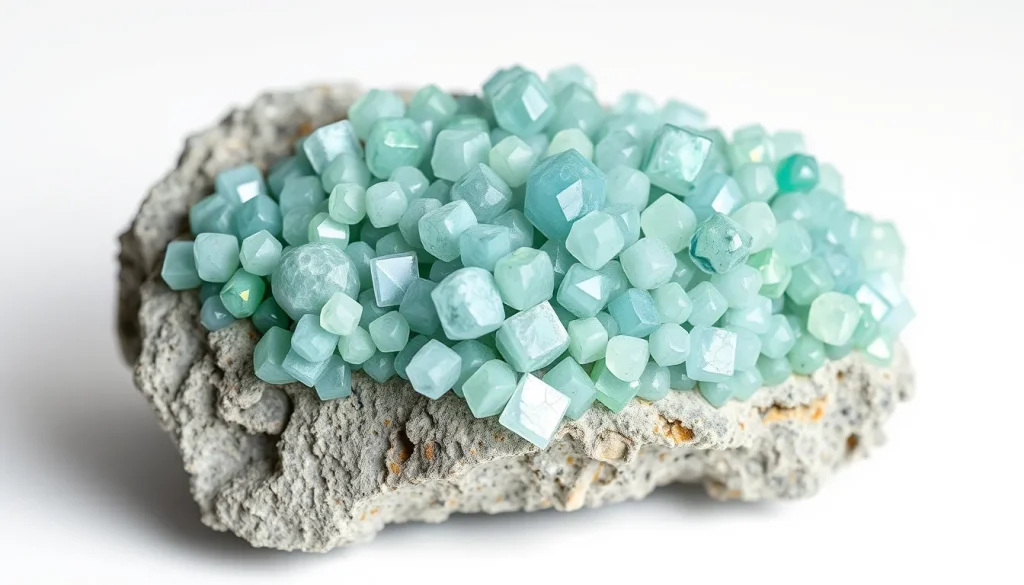
Zinc carbonate minerals represent a fascinating intersection of chemistry and aesthetics within the mineral kingdom. Primarily characterized by the chemical formula ZnCO₃, these minerals often manifest as secondary deposits in the oxidation zones of zinc sulfide ores. While not typically utilized as primary faceted gemstones due to their low hardness, they are highly prized by collectors for their diverse habits and vibrant color palettes.
What Is Zinc Carbonate?
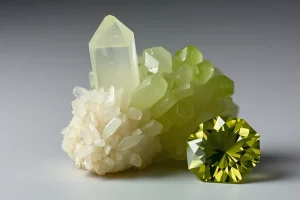
Zinc carbonate is a chemical compound consisting of zinc, carbon, and oxygen. In nature, the most prominent mineral form is Smithsonite. These minerals form when zinc-bearing solutions react with carbonate-rich waters, typically in the weathered upper portions of ore deposits. The resulting crystals can range from massive, botryoidal (grape-like) clusters to distinct rhombohedral crystals.
Historically, the term Calamine was used to describe any zinc ore, but in a strict mineralogical sense, it refers specifically to the zinc carbonate variety. The mineral is known for its characteristic vitreous to pearly luster and its ability to incorporate various trace elements that influence its final hue.
Varieties and Related Materials
The zinc carbonate family is dominated by Smithsonite, but it is often found in association with other carbonate and oxide minerals. Understanding these relationships is key to identification:
- Smithsonite: The primary zinc carbonate. It occurs in colors ranging from colorless and white to pale blue, green, yellow, and pink.
- Hemimorphite: A zinc silicate often found alongside zinc carbonates; it is frequently mistaken for Smithsonite due to similar colors and habits.
- Calcite: A calcium carbonate that often intergrows with zinc carbonates, sometimes creating complex mineral associations.
- Cerussite: A lead carbonate that may occur in the same oxidation zones as zinc minerals.
Identification and Look-Alikes
Identifying zinc carbonates requires a combination of physical observation and chemical testing. Because botryoidal Smithsonite can look remarkably like other minerals, gemologists use the following criteria:
| Property | Smithsonite (ZnCO₃) | Chalcedony/Opal | Hemimorphite |
|---|---|---|---|
| Hardness (Mohs) | 3.5 – 4.5 | 6.5 – 7.0 | 4.5 – 5.0 |
| Acid Reaction | Effervesces (slowly) | No reaction | No reaction |
| Luster | Vitreous to Pearly | Waxy to Vitreous | Vitreous |
Expert Tip: The most reliable field test for a carbonate mineral is the “acid test.” A drop of dilute hydrochloric acid will cause a zinc carbonate mineral to effervesce (bubble), releasing carbon dioxide gas, whereas silicates will remain inert.
Quality and Value Factors
For collectors, the value of zinc carbonate minerals is determined by several specific factors:
- Color Saturation: Rare, vivid colors—particularly the deep “Kelly green” or saturated blues—command higher prices than common white or colorless specimens.
- Crystal Habit: Well-defined rhombohedral crystals are generally more valuable than massive forms, though high-quality botryoidal clusters with a high luster are also sought after.
- Transparency: Translucent to transparent specimens are preferred over opaque ones.
- Locality: Specimens from famous mines (such as those in Arizona or Namibia) often carry a premium due to their historical significance and superior quality.
Jewelry Suitability and Care
Due to its relatively low Mohs hardness (3.5–4.5), zinc carbonate is not suitable for traditional jewelry such as rings or bracelets, as it scratches easily. However, it is occasionally used in carved ornaments or as a collector’s cabochon for protective display.
Care Instructions:
- Avoid all acidic cleaners, as they will dissolve the mineral surface.
- Clean only with a soft, dry cloth or lukewarm soapy water.
- Store separately from harder gemstones like diamonds or sapphires to prevent scratching.
FAQ
Is Smithsonite the same as Calamine?
Historically, Calamine was a general term for zinc ores. Today, in mineralogy, Smithsonite is the specific name for the zinc carbonate mineral.
Can Smithsonite be used in rings?
It is not recommended for rings due to its softness (3.5-4.5 Mohs), which makes it prone to scratching and wear.
How can I tell Smithsonite apart from Chalcedony?
The easiest way is the hardness test; Chalcedony is much harder (7 Mohs) and does not react to dilute hydrochloric acid, whereas Smithsonite is softer and effervesces.
Leave a Reply