Short Answer
Overview
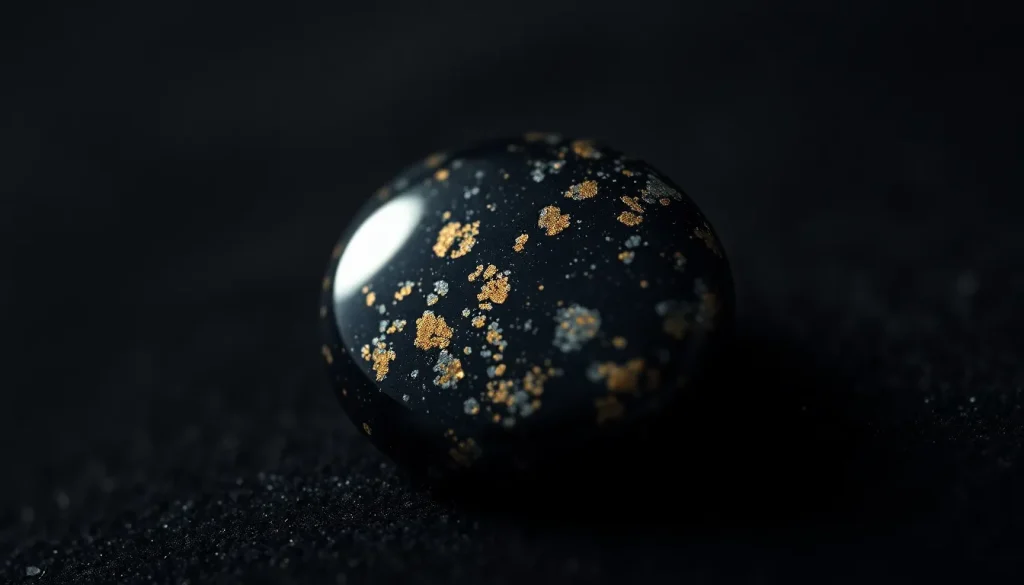
Cumberlandite is a rare, iron‑rich igneous rock native to the state of Rhode Island, USA. It is characterized by a deep black to dark gray matrix flecked with metallic specks of magnetite and ilmenite, giving it a distinctive shimmering appearance. Although not a traditional gemstone, polished cabochons of cumberlandite are used in ornamental jewelry and lapidary work.
History and Origin
The name “cumberlandite” derives from the town of Cumberland, Rhode Island, where the rock was first identified in the 18th century. Geologically, it forms as a mafic intrusion that crystallized from magma rich in iron and titanium. The rock is primarily found in a few locations in the coastal region of Rhode Island, making it a state‑rock and a symbol of local heritage.
Meaning and Symbolism
In folklore, cumberlandite is associated with strength, protection, and grounding. Its dark color and metallic flecks are thought to represent resilience and the ability to absorb negative influences. Collectors value it for its rarity and its connection to the geological identity of Rhode Island.
Healing and Metaphysical Properties
Traditional crystal‑healing beliefs attribute the following properties to cumberlandite:
- Grounding and protection: Said to anchor the wearer’s energy to the earth and shield against psychic “noise.”
- Confidence booster: The metallic sheen is thought to inspire self‑esteem and courage.
- Physical vitality: Some practitioners claim it can support the circulatory system because of its iron content, though this is not a medical claim.
These associations are based on anecdotal tradition and should not replace professional medical advice.
Varieties and Types
Cumberlandite is not a mineral species, so it does not have formal varieties. However, lapidary work distinguishes between:
- Polished cabochon: Smooth, rounded pieces used in rings or pendants.
- Raw “rough” slices: Thin slabs that display the characteristic metallic inclusions.
Variations in color intensity depend on the proportion of magnetite, ilmenite, and feldspar within each specimen.
Jewelry Uses and Care
Because cumberlandite is relatively hard (Mohs 5‑6) and dense, it can be set in sturdy settings such as bezel or channel settings. Its opaque nature makes it ideal for bold, statement pieces.
Care Instructions
- Clean with a soft, lint‑free cloth and mild soap solution; avoid ultrasonic cleaners.
- Do not expose to harsh chemicals or prolonged soaking, which can affect surface polish.
- Store separately from softer gemstones to prevent scratching.
Buying Guide
When purchasing cumberlandite, consider the following factors:
- Origin verification: Authentic specimens should be sourced from Rhode Island or clearly identified as “cumberlandite‑type” rock.
- Cut and polish quality: Look for a uniform, high‑gloss finish that showcases the metallic flecks without excessive surface cracks.
- Weight and size: Due to its high specific gravity, even small pieces feel heavy.
- Certification: While formal gem certificates are uncommon, reputable lapidary dealers may provide a written authenticity statement.
Because cumberlandite is not widely traded, prices vary widely based on size, finish, and provenance.
FAQ
What is cumberlandite good for?
Cumberlandite is valued for its striking metallic appearance in jewelry and as a collector’s stone. Traditionally, it is believed to provide grounding and protective energy, though these are metaphysical claims, not scientific facts.
Is cumberlandite rare?
Cumberlandite is geographically limited to a few locales in Rhode Island, making high‑quality, polished material relatively rare. Its rarity depends on size, polish quality, and the presence of vivid metallic flecks.
How can you tell if cumberlandite is real?
Authentic cumberlandite feels heavy for its size, displays a black base with bright metallic specks, and has no artificial glaze. For certainty, have the stone examined by a qualified gemologist or lapidary professional.
What chakra is cumberlandite associated with?
In crystal‑healing traditions, cumberlandite is linked to the Root (Muladhara) chakra, supporting grounding and stability.
How should you clean cumberlandite?
Clean cumberlandite with a soft lint‑free cloth and mild soapy water. Avoid ultrasonic cleaners, harsh chemicals, and prolonged soaking, as these can damage the polish. Store separately from softer gems to prevent scratching.
Leave a Reply