
Short Answer
Overview
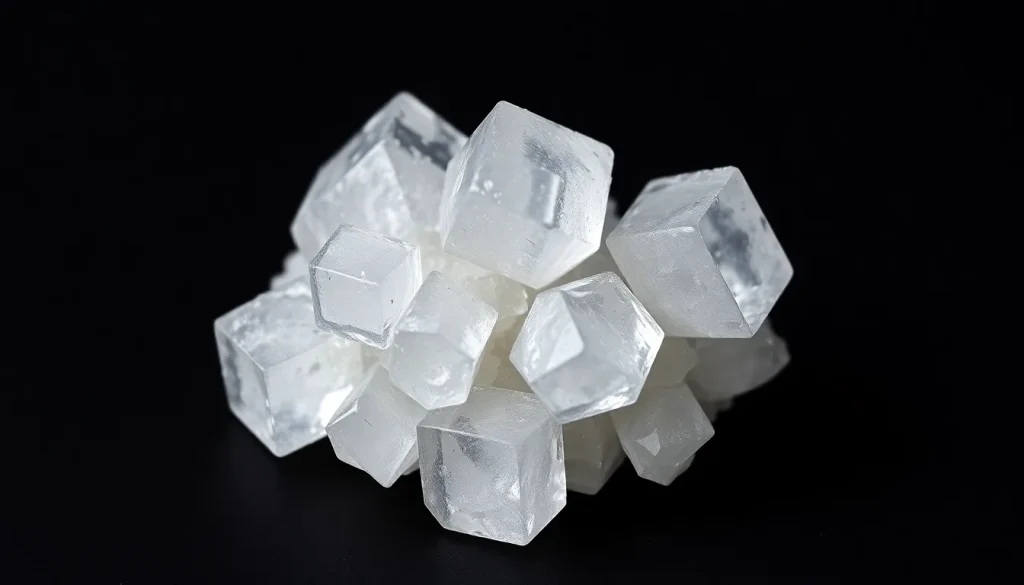
Cryolite is a naturally occurring halide mineral composed of sodium aluminum fluoride (Na3AlF6). It crystallizes in the cubic (isometric) system, forming well‑developed octahedral and cubic crystals that can appear colorless, white, or very pale gray. Although it is more widely known for its historic role in aluminum production, cryolite is occasionally cut as a collector’s gemstone and used in unique jewelry pieces.
History and Origin
The name “cryolite” derives from the Greek words kryos (cold) and lithos (stone), reflecting its low melting point compared with other minerals. The most famous natural deposits were discovered in Ivittuut, Greenland, in the 19th century. By the early 20th century, cryolite’s ability to dissolve alumina made it essential for the Hall–Héroult process of extracting aluminum, leading to the depletion of many natural sources. Today, synthetic cryolite largely replaces the natural mineral for industrial purposes, while natural specimens are prized by collectors.
Meaning and Symbolism
In traditional crystal‑healing lore, cryolite is associated with clarity of thought, emotional balance, and the release of old patterns. Its transparent appearance is said to symbolize purity and the ability to see through confusion. Some belief systems connect cryolite with the Crown Chakra, suggesting it can aid in spiritual insight and mental focus. These meanings are cultural and symbolic rather than scientifically verified.
Healing and Metaphysical Properties
Crystal‑healing practitioners claim that cryolite can:
- Promote mental clarity and improve decision‑making.
- Assist in releasing emotional baggage and fostering inner peace.
- Support the Crown Chakra, encouraging spiritual connection and higher intuition.
These claims are based on tradition and anecdotal experience; cryolite should not be used as a substitute for professional medical advice or treatment.
Varieties and Types
Natural cryolite occurs primarily in two visual forms:
- Colorless/White Cryolite – Transparent to translucent crystals, often used in high‑clarity specimens.
- Pale Gray or Yellowish Cryolite – Slightly tinted due to trace impurities; still valued for its crystal habit.
Artificial or synthetic cryolite, produced for industrial use, is chemically identical but generally not cut for jewelry.
Jewelry Uses and Care
Because of its low hardness (2.5–3 on the Mohs scale) and perfect octahedral cleavage, cryolite is considered a delicate gemstone. It is most often set in protective settings such as bezel or channel designs, and it is best suited for pendants, earrings, or brooches rather than rings that endure frequent impact.
Care guidelines:
- Clean with a soft, lint‑free cloth; avoid ultrasonic cleaners.
- Use mild soap and lukewarm water for deeper cleaning, then dry gently.
- Store separately from harder gemstones to prevent scratching.
- Avoid prolonged exposure to heat or strong acids, as cryolite can degrade.
Buying Guide
When selecting cryolite, consider the following factors:
- Clarity: Look for specimens free of fractures or cloudiness.
- Color: Purely colorless stones are rarer and often more valuable.
- Cut and Setting: Prefer protective settings that safeguard the fragile crystal.
- Origin: Natural cryolite from historic localities (e.g., Greenland, Canada) may carry a premium.
- Certification: Request a gemological report from a reputable laboratory to confirm authenticity.
Because natural cryolite is uncommon, many market offerings are synthetic or treated. Always verify the source before purchase.
FAQ
What is cryolite good for?
Cryolite is valued for its unique cubic crystal habit and historical importance in aluminium production. In jewelry it offers a distinctive, glass‑like appearance, while crystal‑healing traditions attribute mental clarity and Crown Chakra activation to it.
Is cryolite rare?
Natural cryolite is relatively rare, especially high‑clarity, colorless specimens. Most historic deposits have been depleted, making pristine crystals valuable. Synthetic cryolite is common for industrial use, but natural stones are limited in supply.
How can you tell if cryolite is real?
Real cryolite feels light for its size, has perfect octahedral cleavage, and exhibits a low refractive index (≈1.34). It often shows a white streak and may display faint fluorescence under UV light. Professional gemological testing, including spectroscopy, confirms authenticity.
What chakra is cryolite associated with?
In crystal‑healing belief systems, cryolite is commonly linked to the Crown Chakra, supporting spiritual insight and mental clarity. This association is symbolic and not scientifically proven.
How should you clean cryolite?
Because cryolite is soft (Mohs 2.5‑3) and cleavable, clean it gently with a soft cloth and mild soap solution. Avoid ultrasonic cleaners, harsh chemicals, and high heat. Store it separately from harder gemstones to prevent scratches.
Leave a Reply