
Short Answer
Overview
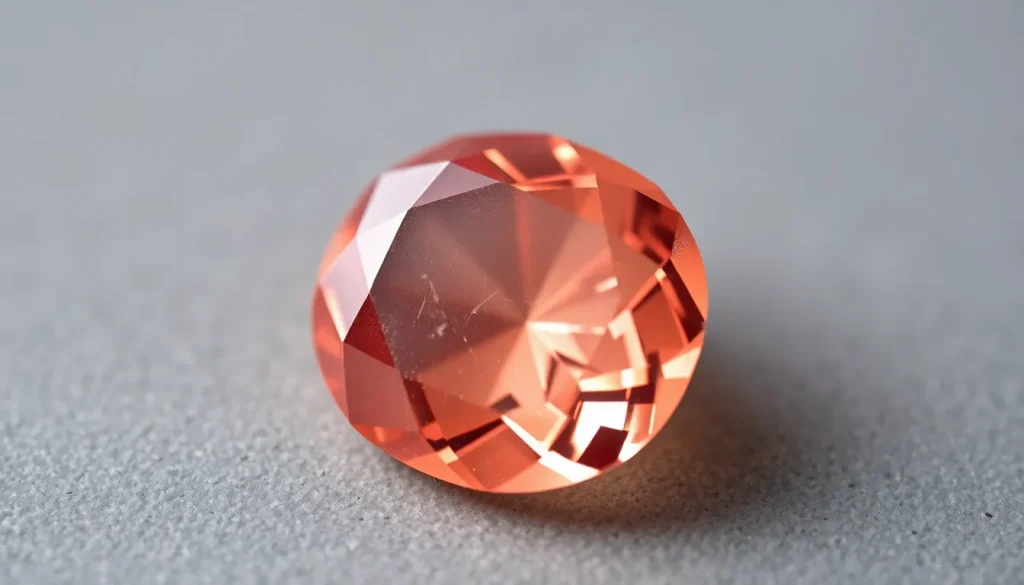
Padparadscha is a highly prized variety of sapphire that displays a delicate pink‑orange to salmon coloration. Chemically it is a form of corundum (Al₂O₃) and ranks 9 on the Mohs hardness scale, making it suitable for everyday jewelry. The name derives from the Sinhalese word pad‑par‑adscha, meaning “aquatic lotus,” a reference to the stone’s soft, watery hue.
History and Origin
The first documented padparadscha sapphires were found on the island of Sri Lanka in the early 20th century. Since then, similar stones have been reported from Madagascar, Tanzania, Vietnam, and Australia. The rarity of the precise pink‑orange hue, combined with the strict color grading standards of the gem trade, has kept padparadscha among the most sought‑after colored gemstones.
Meaning and Symbolism
Traditionally, padparadscha is associated with love, emotional balance, and renewal. Its gentle blend of pink (often linked to love and compassion) and orange (associated with creativity and joy) is thought to encourage harmony between the heart and the creative spirit. In jewelry, it is frequently chosen for engagement rings and anniversary pieces as a symbol of a unique, enduring bond.
Healing and Metaphysical Properties
Within crystal‑healing traditions, padparadscha is believed to soothe emotional turbulence, promote self‑acceptance, and enhance communication of heartfelt feelings. Practitioners claim it can aid in balancing the sacral and heart chakras, fostering both creative expression and unconditional love. These properties are regarded as metaphysical beliefs and are not supported by medical science.
Varieties and Types
Padpadrascha is not a separate mineral species; it is a color variety of sapphire. The hue can range from a light pastel salmon to a deeper, more saturated pink‑orange. Some stones exhibit a slight orange‑pink gradient, while others are uniformly colored. The most valuable specimens display a vivid, even tone without brown or gray overtones.
Jewelry Uses and Care
Because of its hardness (9 on the Mohs scale) and brilliance, padparadscha is commonly set in rings, pendants, earrings, and high‑end watches. Care recommendations include:
- Clean with warm, soapy water and a soft brush; avoid ultrasonic cleaners if the stone has been heat‑treated.
- Dry thoroughly with a lint‑free cloth.
- Store separately from softer gems to prevent scratches.
- Avoid prolonged exposure to harsh chemicals or extreme temperature changes.
Buying Guide
When purchasing a padparadscha, consider the following factors:
- Color quality: Look for a vibrant, evenly distributed pink‑orange hue without brownish or gray zones.
- Clarity: Inclusions are common in natural sapphires; however, a clean interior enhances brilliance.
- Cut: Well‑proportioned cuts maximize color saturation and sparkle.
- Treatment disclosure: Most padparadscha sapphires are heat‑treated to improve color. Reputable dealers will provide certification.
- Certification: A GIA or IGI report confirming identity, treatment status, and origin adds confidence.
Because genuine, untreated padparadscha is extremely scarce, many market stones are treated. Understanding treatment practices helps set realistic expectations for price and durability.
FAQ
What is Padparadscha good for?
Padparadscha is prized for its unique pink‑orange color in fine jewelry, and traditionally it is believed to promote emotional balance and creative expression.
Is Padparadscha rare?
Yes, high‑quality padparadscha is rare because the precise pink‑orange hue occurs only in limited localities and only a small percentage of sapphires meet the strict color criteria.
How can you tell if Padparadscha is real?
Professional verification involves checking refractive index, specific gravity, and spectroscopic signatures. A certified gemological report and visual examination for typical sapphire inclusions help confirm authenticity.
What chakra is Padparadscha associated with?
In crystal‑healing traditions Padparadscha is most often linked to the Heart (Anahata) chakra, supporting love and emotional harmony.
How should you clean Padparadscha?
Clean with warm, mild soap and a soft brush, rinse thoroughly, and pat dry with a lint‑free cloth. Avoid harsh chemicals, ultrasonic cleaners (if heat‑treated), and store separately from softer gemstones.
Leave a Reply