Short Answer
Overview
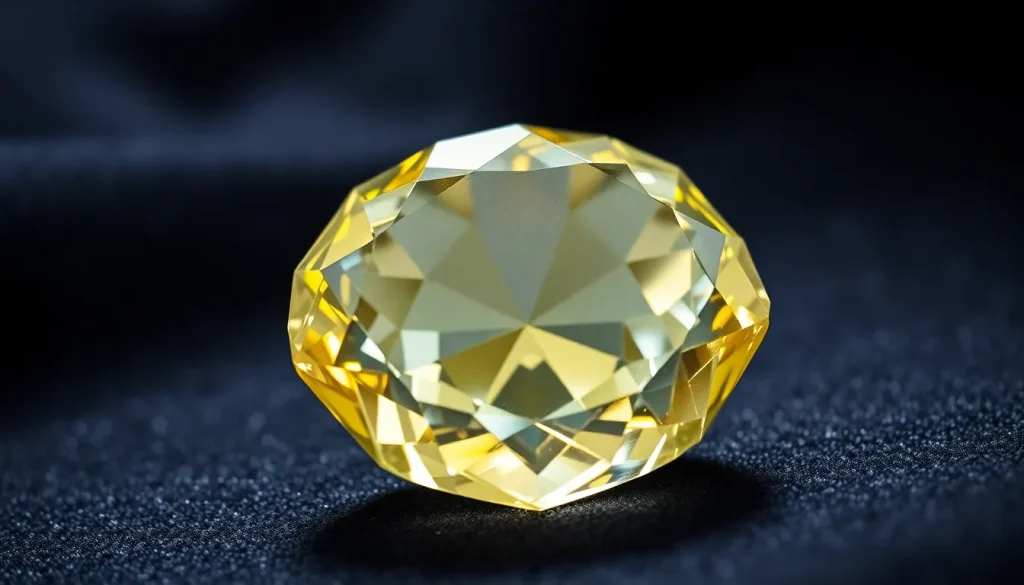
Cerussite (PbCO3) is a lead carbonate mineral known for its high refractive index and adamantine luster. When cut and polished it can display a brilliance rivaling diamond, making it a coveted, though relatively soft, gemstone.
History and Origin
The name derives from the Latin cerussa meaning “white paint,” a reference to the mineral’s historical use as white pigment. Natural cerussite forms in the oxidation zones of lead ore deposits, typically as a secondary mineral replacing galena. Notable historic localities include the lead districts of Cornwall (England), the Sierra de Gredos (Spain), and the Bisbee district of Arizona (USA).
Meaning and Symbolism
Traditionally, cerussite is associated with clarity of thought, personal transformation, and the amplification of inner light. Its mirror‑like surface is said to reflect truth and encourage honest communication.
Healing and Metaphysical Properties
In crystal‑healing belief systems, cerussite is thought to aid in releasing old patterns, enhancing mental focus, and supporting the throat chakra for clearer expression. Practitioners claim it can help balance emotions and promote confidence, but these are not medical statements.
Varieties and Types
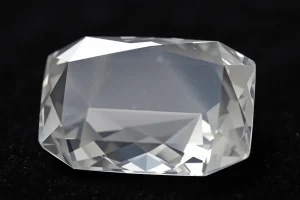
- Colorless/White: The most common and prized for its diamond‑like sparkle.
- Yellow to Brown: Result from trace iron or manganese impurities.
- Gray: Often caused by inclusion of other lead minerals.
- Crystal Form: Typically occurs as tabular, rhombohedral, or massive aggregates; well‑formed crystals are rare and highly valued.
Jewelry Uses and Care
Because of its low hardness (3–3.5 on the Mohs scale) and perfect cleavage, cerussite is best suited for earrings, pendants, and brooches that experience limited wear. Settings that protect the stone, such as bezel or protective prongs, are recommended. Cleaning should be done with a soft, dry cloth; mild soapy water may be used, but ultrasonic cleaners and harsh chemicals are avoided to prevent surface damage.
Buying Guide
When purchasing cerussite, consider the following:
- Clarity and Inclusions: Look for stones with minimal fractures; internal cracks can cause breakage.
- Cut Quality: Well‑cut stones exhibit maximum brilliance and minimal sharp edges.
- Color: Colorless specimens are generally more valuable than tinted varieties.
- Origin: Reputable sources from known localities (e.g., Morocco, Spain, USA) often provide better documentation.
- Treatment Disclosure: Some cerussite is stabilized with resin or coated to improve durability; ask for full disclosure.
FAQ
What is cerussite good for?
Cerussite is prized for its high brilliance in jewelry and is traditionally believed to aid clear communication and personal transformation, though these are spiritual concepts, not medical facts.
Is cerussite rare?
High‑quality, colorless cerussite with good clarity is relatively uncommon because the mineral is soft and prone to breakage; larger, well‑formed crystals are rarer still.
How can you tell if cerussite is real?
Real cerussite feels heavy for its size, has an adamantine luster, and a white streak. Professional testing such as refractive index measurement or X‑ray diffraction confirms authenticity.
What chakra is cerussite associated with?
In traditional crystal‑healing belief, cerussite is linked to the Throat (Vishuddhi) chakra, supporting expression and truth.
How should you clean cerussite?
Clean cerussite with a soft, dry cloth or mild soapy water; avoid ultrasonic cleaners, steam, or harsh chemicals, and store it separately to prevent scratches.
Leave a Reply