
Short Answer
Overview
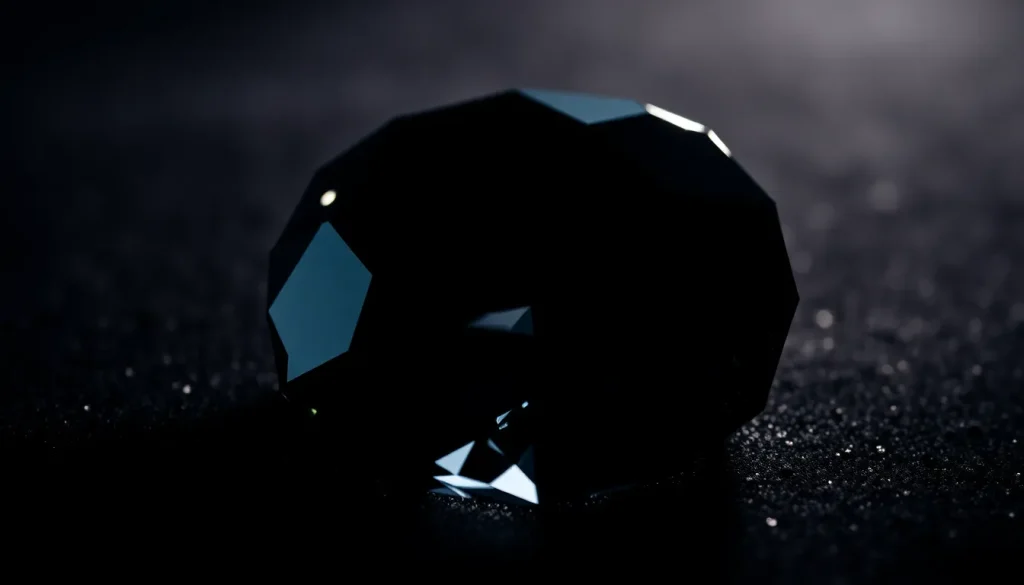
Cassiterite is the primary ore mineral of tin and a recognized gemstone. Its chemical formula is SnO₂, and it belongs to the oxide mineral class. Naturally occurring crystals are typically black or brown, and when cut they display a high‑index, adamantine brilliance that makes them attractive for jewelry.
History and Origin
The name “cassiterite” derives from the Greek word kassiteros, meaning tin. Historically, the mineral has been mined for tin extraction since antiquity, with early sources in the Erzgebirge (Germany) and the Malay Peninsula. Gem‑quality specimens began to be used in ornamental jewelry in the 20th century, especially after high‑clarity black stones were discovered in the Democratic Republic of Congo.
Meaning and Symbolism
In traditional folklore, cassiterite is associated with strength, grounding, and protection. Its deep black color is thought to absorb negative energy and provide a sense of stability. Some cultures consider it a symbol of wealth because of its link to tin, a metal historically valuable for alloying.
Healing and Metaphysical Properties
Crystal‑healing practitioners claim that cassiterite can aid in grounding, enhancing focus, and supporting the root chakra. It is said to help release fear, promote perseverance, and encourage clarity in decision‑making. These beliefs are not medical facts and should not replace professional health advice.
Varieties and Types
Cassiterite occurs in several color varieties:
- Black cassiterite – the most common and most valued for jewelry.
- Brown or reddish‑brown – often called “tin brown”.
- Colourless (transparent) cassiterite – rare, can display high brilliance.
- Yellowish or honey‑colored – occasional, usually lower in market value.
Crystals may form as tabular plates, prismatic prisms, or massive aggregates. Well‑formed, inclusion‑free specimens are prized for cutting.
Jewelry Uses and Care
Because of its hardness (6–7 on the Mohs scale) and high refractive index, cassiterite can be cut into faceted gems such as round, oval, or cushion shapes. It is used in rings, pendants, earrings, and high‑end watches. Care guidelines:
- Clean with warm, soapy water and a soft brush; avoid ultrasonic cleaners for heavily included stones.
- Dry with a lint‑free cloth; do not expose to harsh chemicals.
- Store separately from softer gems to prevent scratching.
- Because cassiterite has poor basal cleavage, avoid strong impacts.
Buying Guide
When purchasing cassiterite consider the following:
- Color – deep black or rich brown stones are most desirable.
- Clarity – eye‑clean stones without cloudiness fetch higher prices.
- Cut – well‑proportioned facets enhance its natural brilliance.
- Treatment – most cassiterite is untreated; be wary of dyed or coated stones.
- Certification – reputable labs (e.g., GIA, IGI) can provide a gemstone report.
Ask the seller for provenance details, especially if the stone is claimed to be “high‑grade” or “natural”.
FAQ
What is cassiterite good for?
Cassiterite is prized for its high brilliance in jewelry and is traditionally believed to provide grounding and protection. It is also the primary ore of tin used in metalworking.
Is cassiterite rare?
High‑quality, eye‑clean black cassiterite is relatively rare, especially in large sizes. More common are lower‑grade brown or opaque specimens, and colourless stones are especially scarce.
How can you tell if cassiterite is real?
Real cassiterite has a high refractive index (≈2.09) and an adamantine luster. It feels heavy for its size due to high specific gravity. Professional testing with a gemological microscope and spectroscopy confirms authenticity.
What chakra is cassiterite associated with?
In crystal‑healing traditions, cassiterite is linked to the Root chakra, supporting grounding and stability.
How should you clean cassiterite?
Clean cassiterite gently with warm soapy water and a soft brush, then dry with a lint‑free cloth. Avoid ultrasonic cleaners and harsh chemicals, and store it separately from softer gems.
Leave a Reply