
Short Answer
Overview
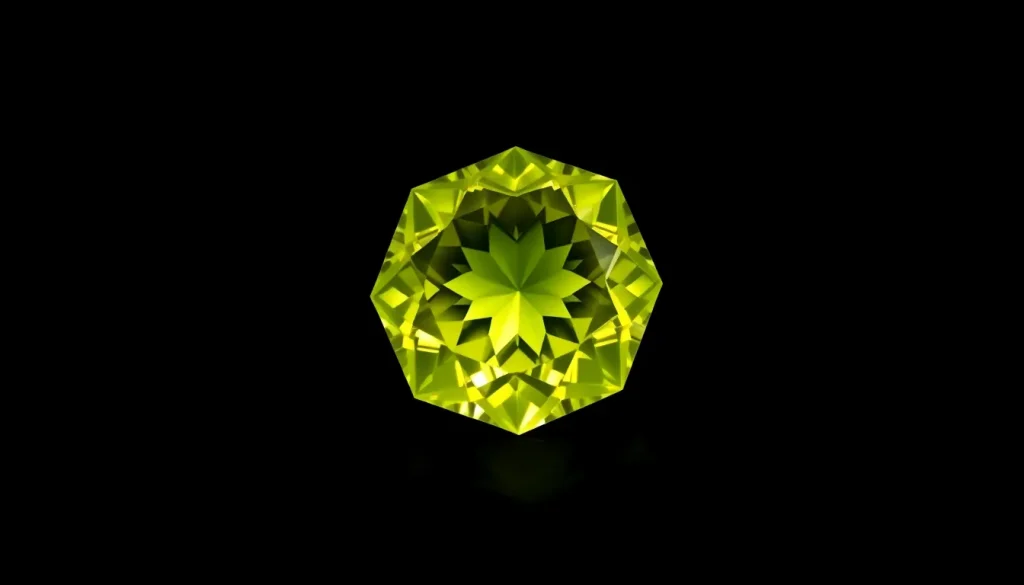
Brazilianite is a phosphate mineral prized for its vivid yellow‑to‑green hues and occasional colorless varieties. With the chemical formula NaAl3(PO4)2(OH)4, it belongs to the orthorhombic crystal system and rates 5.5–6.5 on the Mohs scale. Its transparency ranges from transparent to translucent, making it suitable for faceted gemstones.
History and Origin
First described in 1908 from a pegmatite deposit in Minas Gerais, Brazil, the stone was named after its country of discovery. Since then, notable occurrences have been documented in Afghanistan, Namibia, Tanzania, Madagascar, and limited locales in the United States. The Brazilian deposits remain the most prolific source of gem‑quality material.
Meaning and Symbolism
In traditional gemstone lore, Brazilianite is associated with optimism, clarity of thought, and emotional balance. Its bright coloration is said to inspire confidence and encourage a positive outlook, while its subtle green tones are linked to growth and renewal.
Healing and Metaphysical Properties
Crystal‑healing practitioners attribute Brazilianite with the ability to enhance mental focus, aid decision‑making, and promote self‑esteem. It is believed to assist the heart chakra in releasing old emotional patterns and to support the digestive and endocrine systems. These properties are regarded as energetic influences, not medical treatment.
Varieties and Types
Brazilianite occurs in several color varieties:
- Yellow: The most common, ranging from pale lemon to deep citron.
- Greenish‑yellow: Often displays a subtle olive tint.
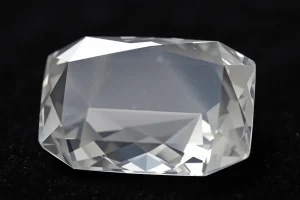
- Colorless: Rare, highly prized for its pure brilliance.
- Brownish: Typically lower‑grade material.
All varieties share a vitreous to pearly luster and display perfect cleavage on {010}, which requires careful handling during cutting.
Jewelry Uses and Care
Because of its moderate hardness and perfect cleavage, Brazilianite is best suited for earrings, pendants, and rings set with protective bezels or low‑profile settings. It responds well to brilliant and step cuts that showcase its color and sparkle.
Care instructions:
- Clean with warm, soapy water and a soft brush; avoid ultrasonic cleaners.
- Store separately from harder gemstones to prevent scratching.
- Protect from prolonged exposure to heat and strong acids, which can alter surface luster.
Buying Guide
When selecting Brazilianite, consider the following factors:
- Color intensity: Deep, saturated yellows are most valuable.
- Clarity: Inclusions are common; eye‑clean stones command higher prices.
- Cut quality: Well‑proportioned cuts maximize brilliance and minimize stress on cleavage planes.
- Treatment: Most Brazilianite is untreated; be wary of stones that claim enhanced color.
- Certification: Request a reputable gemological report for high‑value pieces.
Prices vary widely, with high‑quality, vivid yellow specimens fetching premium rates, while pale or heavily included stones are more modestly priced.
FAQ
What is Brazilianite good for?
Brazilianite is valued for its vivid color in jewelry and is traditionally believed to promote optimism and mental clarity. It is also used in crystal collections for its unique phosphate composition.
Is Brazilianite rare?
Gem‑quality Brazilianite is relatively uncommon, especially in deep, saturated yellow tones. While the mineral occurs in several countries, high‑clarity, vivid specimens are limited, making them more valuable than lower‑grade material.
How can you tell if Brazilianite is real?
Real Brazilianite exhibits a specific refractive index range (≈1.595‑1.614) and orthorhombic crystal habit. Look for perfect cleavage on {010} and a vitreous luster. Professional gemologists can confirm authenticity with spectroscopy or microscopy.
What chakra is Brazilianite associated with?
In crystal‑healing traditions, Brazilianite is linked to the Heart (Anahata) chakra, where it is thought to support emotional balance and openness.
How should you clean Brazilianite?
Clean Brazilianite gently with warm, soapy water and a soft brush. Avoid ultrasonic cleaners and harsh chemicals; store it separately from harder gemstones to prevent scratching.
Leave a Reply