
Short Answer
Overview
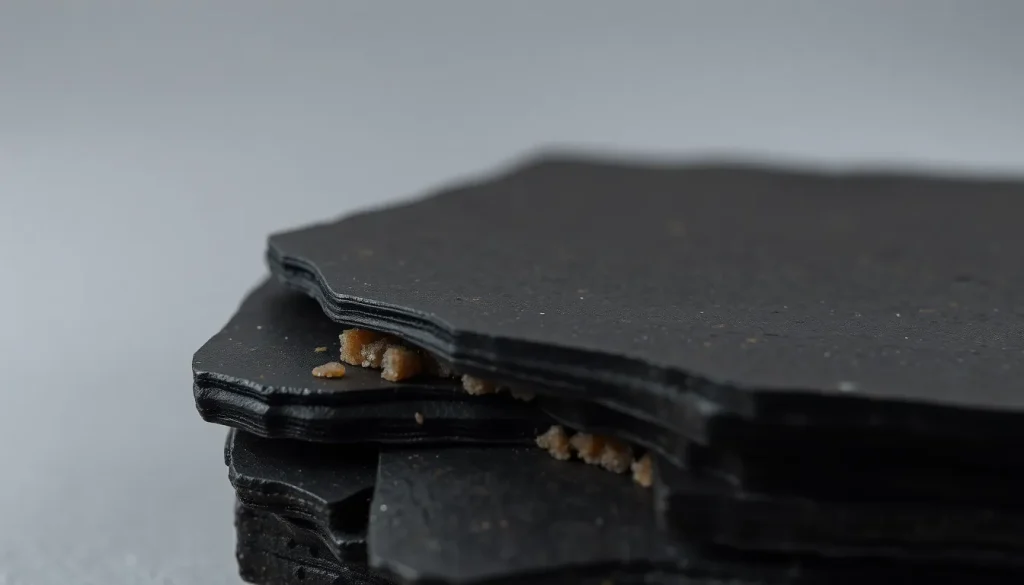
Biotite is a dark, iron‑magnesium rich mica belonging to the phyllosilicate group. It forms in thin, flexible sheets that split into perfect basal plates. Though primarily a common rock‑forming mineral, biotite is occasionally cut for ornamental use, especially in cabochons and inlay work.
History and Origin
The name “biotite” honors the French physicist Jean‑Baptiste Biot (1774‑1862), who first described the mineral’s optical properties in the early 19th century. Biotite has been recognized in geological specimens since antiquity, but its identification as a distinct mica was formalized in 1812.
Meaning and Symbolism
In traditional crystal lore, biotite is thought to embody protection, grounding, and the ability to absorb negative energy. Its dark hue is associated with depth, mystery, and introspection, making it a popular talisman for those seeking emotional resilience.
Healing and Metaphysical Properties
Crystal‑healing practitioners claim that biotite can aid in releasing stress, enhancing mental clarity, and supporting the body’s natural detoxification processes. It is often placed on the root chakra to foster a sense of stability. These uses are based on belief systems and are not medical advice.
Varieties and Types
- Common Biotite – iron‑rich, dark brown to black sheets.
- Phlogopite – magnesium‑rich variety, often lighter brown to golden‑yellow, sometimes marketed as “white mica.”
- Annite – iron‑dominant end‑member, deep black with a strong metallic luster.
Jewelry Uses and Care
Because of its softness (Mohs 2.5–3) and perfect basal cleavage, biotite is rarely used in high‑wear jewelry. When employed, it appears in:
- Cabochons set in protective metal bezels.
- Inlay panels for decorative boxes or watch faces.
- Artistic mosaics and ornamental tiles.
Care instructions:
- Handle with gloves to avoid fingerprints.
- Clean gently with a soft, dry cloth; avoid ultrasonic cleaners.
- Store flat, separated from harder gemstones to prevent scratching.
- Keep away from acids or harsh chemicals that could etch the surface.
Buying Guide
When selecting biotite for decorative or metaphysical purposes, consider the following:
- Color and uniformity – deep, even black or brown tones are most valued.
- Sheet thickness – thicker plates are easier to set and less prone to breakage.
- Origin – reputable sources will provide locality information; common sources include the United States, Brazil, and Norway.
- Treatment disclosure – some specimens are dyed to enhance color; ask the seller for any treatments applied.
- Certification – for larger ornamental pieces, a gemological report can verify authenticity.
FAQ
What is biotite good for?
Biotite is primarily a common rock‑forming mineral, but it is used decoratively in cabochons, inlays, and mosaics. Traditional crystal lore attributes grounding, protection, and stress‑relief properties to the stone.
Is biotite rare?
Biotite is abundant in many igneous and metamorphic rocks, so it is not considered rare. High‑quality, uniformly colored sheets suitable for ornamental use are less common, especially those free of surface defects.
How can you tell if biotite is real?
Real biotite exhibits perfect basal cleavage, a flexible sheet structure, and a characteristic pearly luster. It feels relatively soft (Mohs 2.5–3) and will be easily scratched by a steel nail. Professional gemological testing can confirm composition.
What chakra is biotite associated with?
In crystal‑healing traditions biotite is linked to the Root chakra, where it is believed to promote grounding and stability.
How should you clean biotite?
Clean biotite gently with a soft, dry cloth. Avoid water, ultrasonic cleaners, and harsh chemicals, as its low hardness and perfect cleavage make it susceptible to scratching and surface damage.
Leave a Reply