
Short Answer
Overview
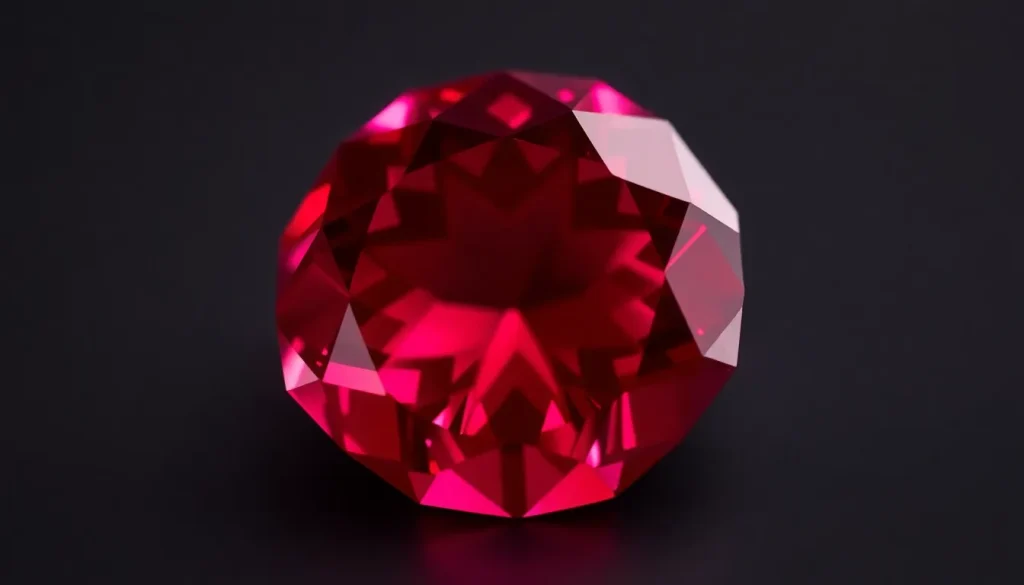
Red beryl, scientifically known as Be₃Al₂Si₆O₁₈, is an exceptionally rare variety of the beryl family that displays a vivid raspberry‑red hue. Its rarity and intense color make it a highly sought‑after gemstone for collectors and high‑end jewelry.
History and Origin
The gemstone was first identified in the Wah Wah Mountains of Utah, United States, in 1904. The name “bixbite” honors Maynard Bixby, the discoverer who first described the mineral. Since its discovery, only a handful of gem‑quality crystals have been mined, primarily from the same Utah locality, with occasional finds reported from Brazil and Madagascar.
Meaning and Symbolism
Traditionally, red beryl is associated with passion, vitality, and courage. Its deep red color is thought to ignite enthusiasm and inspire creative action. In jewelry, it is often used as a symbol of rare love and unique personal expression.
Healing and Metaphysical Properties
Crystal‑healing practitioners attribute red beryl with the ability to boost confidence, stimulate the heart chakra, and encourage emotional balance. It is believed to help release old patterns, promote self‑esteem, and support the flow of vital life force. These claims are based on traditional beliefs and are not medical advice.
Varieties and Types
Red beryl is sometimes marketed under the trade names “bixbite” or “red emerald.” While chemically identical to other beryl species such as emerald, aquamarine, and heliodor, the red coloration is caused by trace amounts of manganese (Mn³⁺) within the crystal lattice. No significant treated varieties are known; most gem‑quality stones are natural.
Jewelry Uses and Care
Because of its hardness (7.5–8.5 on the Mohs scale) and vitreous luster, red beryl can be set in rings, pendants, earrings, and high‑end watch bezels. Care recommendations include:
- Clean with warm, soapy water and a soft brush; avoid ultrasonic cleaners if the stone has any fracture.
- Store separately from harder gemstones to prevent scratching.
- Avoid prolonged exposure to high heat or harsh chemicals.
Buying Guide
When purchasing red beryl, consider the following factors:
- Color saturation: The most valuable stones exhibit a vivid, uniform raspberry red without brownish or pink overtones.
- Clarity: Inclusions are common; eye‑clean stones are extremely rare and command premium prices.
- Cut: Well‑proportioned facets enhance brilliance; common cuts include oval, cushion, and emerald.
- Certification: Request a gem‑ological report from a reputable laboratory (GIA, IGI, or AGS) to verify authenticity and untreated status.
- Provenance: Reputable dealers will disclose the origin, typically Utah, USA.
FAQ
What is red beryl good for?
Red beryl is prized for its striking color and rarity, making it a desirable gemstone in high‑end jewelry. In crystal‑healing circles it is believed to boost confidence, stimulate the heart chakra, and promote emotional vitality, though these are traditional beliefs, not medical facts.
Is red beryl rare?
Yes. Gem‑quality red beryl is among the rarest gemstones on Earth. High‑grade specimens are primarily sourced from a single Utah mine, and only a few carats are produced each year, making it rarer than many diamonds.
How can you tell if red beryl is real?
Professional verification includes checking refractive index, specific gravity, and spectroscopic signatures. Look for a uniform deep red color, absence of synthetic fluorescence, and a reputable gem‑lab certificate. Simple home tests are insufficient; always seek a qualified gemologist.
What chakra is red beryl associated with?
Traditional crystal‑healing sources associate red beryl with the Heart (Anahata) chakra, thought to enhance love and emotional balance.
How should you clean red beryl?
Clean red beryl with warm soapy water and a soft brush. Avoid ultrasonic or steam cleaners if the stone shows any fractures. Store it separately from harder gemstones to prevent scratching.
Leave a Reply