
Short Answer
Overview
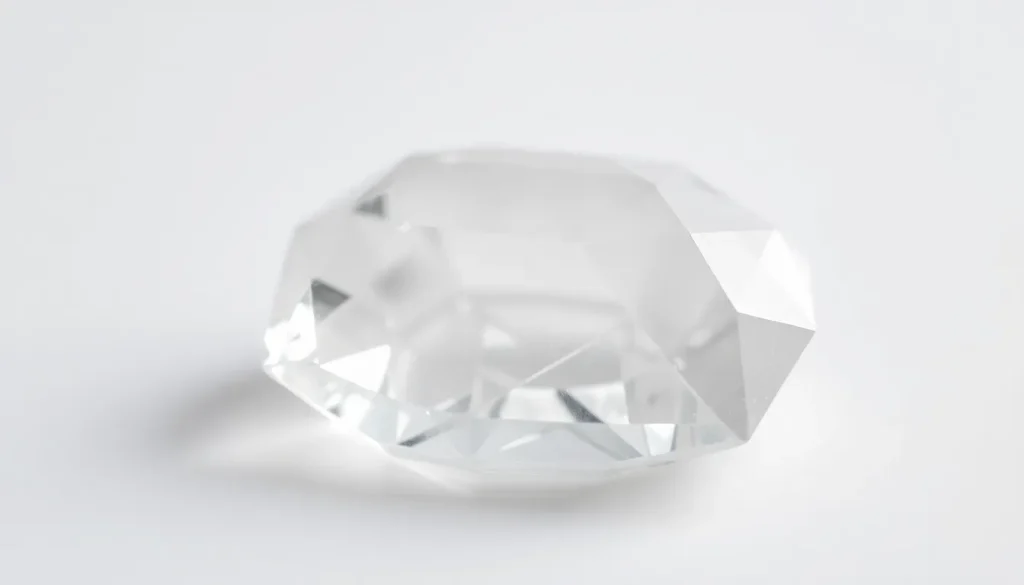
Goshenite is the transparent, colorless variety of the mineral beryl (Be₃Al₂Si₆O₁₈). It shares the hexagonal crystal structure of its more famous colored siblings—emerald and aquamarine—yet lacks any visible hue, giving it a diamond‑like appearance.
History and Origin
The name “goshenite” derives from the biblical “Land of Goshen,” a region in Egypt where early traders reportedly found clear beryl crystals. The term entered gemological literature in the late 19th century. Historically, goshenite was used as a diamond simulant in Victorian jewelry and later appreciated for its own subtle brilliance.
Meaning and Symbolism
In traditional gemstone lore, goshenite symbolizes purity, clarity of thought, and inner truth. It is said to reflect the wearer’s true intentions and to promote honesty in relationships.
Healing and Metaphysical Properties
Crystal‑healing practitioners associate goshenite with the Crown Chakra, believing it can enhance spiritual awareness and mental clarity. It is thought to aid meditation, support the immune system, and help release emotional blockages. These claims are based on folklore and are not medical advice.
Varieties and Types
- Pure Goshenite – Fully colorless, often found in octahedral crystals.
- Heat‑treated Goshenite – When subjected to controlled heating, it can develop pale yellow, pink, or green hues, effectively becoming a low‑cost version of other beryl varieties.
- Inclusions – Natural goshenite may contain needle‑like rutile (silk) or liquid inclusions that create a faint “cat’s eye” effect.
Jewelry Uses and Care
Because of its hardness (7.5–8 on the Mohs scale) and vitreous luster, goshenite is suitable for rings, pendants, and earrings. It should be set in protective settings to guard against its perfect basal cleavage, which can cause chips if struck.
Cleaning recommendations:
- Use warm, soapy water and a soft brush.
- Rinse thoroughly and pat dry with a lint‑free cloth.
- Avoid ultrasonic cleaners if the stone is heavily included or set in a delicate mount.
Buying Guide
When purchasing goshenite, consider the following:
- Clarity – Look for stones with minimal inclusions; high‑clarity specimens are more valuable.
- Cut – Well‑cut stones display strong brilliance comparable to diamonds.
- Certification – Request a report from a reputable laboratory (e.g., GIA or IGI) to confirm that the stone is natural beryl and not synthetic quartz or glass.
- Treatment Disclosure – Ask whether the stone has been heat‑treated, as this can affect value.
FAQ
What is goshenite good for?
Goshenite is valued for its clear, diamond‑like brilliance in jewelry and is traditionally believed to promote mental clarity and spiritual awareness. It is also used as a neutral backdrop in crystal layouts.
Is goshenite rare?
High‑quality, inclusion‑free goshenite is less common than colored beryl varieties, but the mineral itself is relatively abundant in several regions worldwide.
How can you tell if goshenite is real?
Real goshenite exhibits a high refractive index (≈1.58) and a specific gravity around 2.7. Professional testing with a gemological microscope, refractometer, and density measurement can confirm authenticity.
What chakra is goshenite associated with?
In crystal‑healing traditions, goshenite is linked to the Crown Chakra, supporting higher consciousness and meditation.
How should you clean goshenite?
Clean goshenite with warm, mildly soapy water and a soft brush, then rinse and dry with a lint‑free cloth. Avoid harsh chemicals and ultrasonic cleaners if the stone is heavily included or set in delicate metal.
Leave a Reply