
Short Answer
Overview
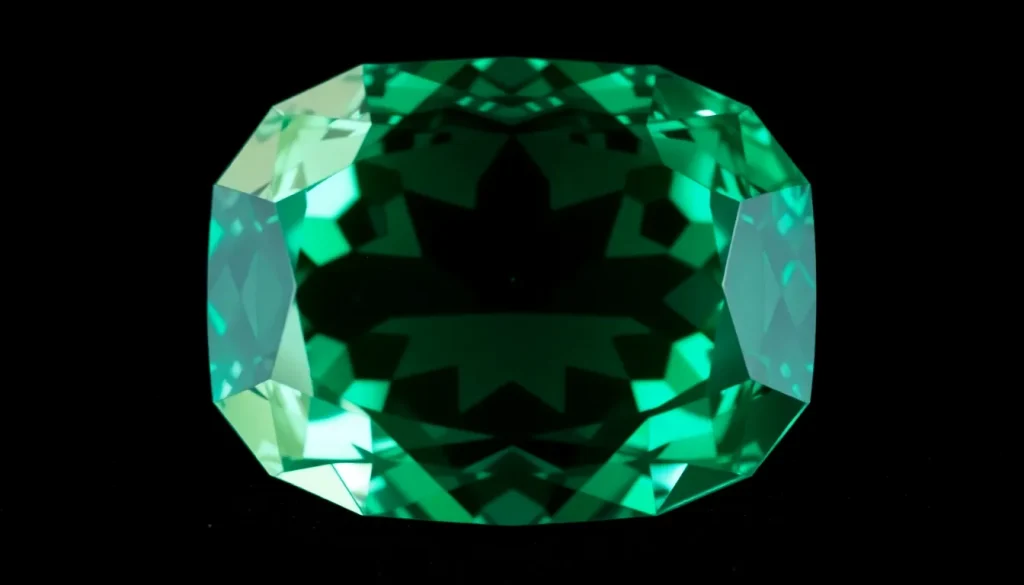
Beryl is a beryllium aluminium cyclosilicate mineral that forms a distinct gemstone group. Crystallising in the hexagonal system, beryl displays a remarkable range of colors caused by trace element impurities. The most famous members—emerald, aquamarine, morganite, and heliodor—are celebrated for their brilliance, durability, and cultural significance.
History and Origin
Historical records of beryl date back to ancient Egypt, where the mineral was used for ornamental beads. The name “beryl” derives from the Latin beryllus and Greek beryllos. Throughout the Middle Ages, emeralds were prized by royalty, while aquamarine was associated with the sea. Modern mining began in the 19th century with large deposits discovered in Brazil, Colombia, Zambia, and Afghanistan.
Meaning and Symbolology
In many cultures, beryl gemstones symbolize clarity, renewal, and loyalty. Emeralds are linked to love and compassion, aquamarine to calm and communication, and morganite to unconditional love. The broad color palette allows each variety to carry its own traditional meaning while sharing the group’s overarching themes of purity and inner strength.
Healing and Metaphysical Properties
Traditional crystal‑healing beliefs attribute the beryl group with the following properties:
- Emerald: Enhances emotional balance, promotes heart‑centered love, and aids in forgiveness.
- Aquamarine: Encourages calm, reduces stress, and supports clear communication.
- Morganite: Opens the heart to unconditional love and emotional healing.
- Heliodor (Golden Beryl): Stimulates confidence, personal power, and creative expression.
These claims are part of longstanding metaphysical traditions and are not medical advice.
Varieties and Types
The beryl group includes several distinct varieties, each defined by its dominant color and trace-element chemistry:
- Emerald (Green) – Colored by chromium or vanadium; the most valuable green beryl.
- Aquamarine (Blue to Blue‑Green) – Colored by iron; prized for its sea‑like hue.
- Morganite (Pink to Peach) – Colored by manganese; known for its soft pink glow.
- Heliodor (Yellow to Golden) – Iron‑rich, yielding bright yellow tones.
- Goshenite (Colourless) – Pure beryl with no significant coloring agents.
- Maxixe (Deep Blue‑Violet) – Rare, colored by manganese in high concentrations.
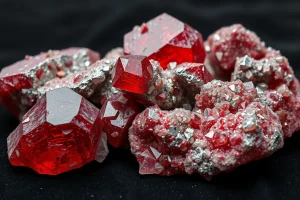
- Red Beryl (Bixbite) – Extremely rare, colored by manganese; not a traditional birthstone.
Jewelry Uses and Care
Beryl’s hardness of 7.5–8 on the Mohs scale makes it suitable for many types of jewelry, including rings, earrings, pendants, and watches. However, its perfect basal cleavage means it can split if struck sharply. Recommended care:
- Clean with warm, soapy water and a soft brush; avoid ultrasonic cleaners for treated stones.
- Store separately from softer gemstones to prevent scratching.
- Resist prolonged exposure to harsh chemicals, high heat, and direct sunlight, especially for heat‑treated varieties.
Buying Guide
When purchasing beryl gemstones, consider the following factors:
- Color Saturation: Deep, even color without visible zoning is most valuable.
- Clarity: Inclusions are common; eye‑clean stones command higher prices.
- Cut: Well‑proportioned faceting maximises brilliance and can mask minor flaws.
- Treatment Disclosure: Many aquamarines and morganites are heat‑treated to enhance color; reputable sellers should disclose any treatments.
- Certification: For high‑value stones such as emeralds, request a GIA or equivalent laboratory report.
Buying from a reputable dealer and requesting provenance information helps ensure authenticity and ethical sourcing.
FAQ
What is beryl good for?
Beryl gemstones are prized for jewelry due to their brilliance and durability, and traditionally they are believed to promote emotional balance, clear communication, and heart‑centered love.
Is beryl rare?
Rarity depends on the specific variety and color; emeralds and red beryl are among the rarest, while colourless goshenite and many aquamarines are more abundant.
How can you tell if beryl is real?
Real beryl feels heavy for its size, shows a high refractive index, and has a vitreous luster. Professional testing with a refractometer, spectroscope, or certified gemologist is recommended for certainty.
What chakra is beryl associated with?
Traditional crystal‑healing sources associate green beryl (emerald) with the Heart chakra, blue beryl (aquamarine) with the Throat chakra, and deep blue‑violet beryl (maxixe) with the Third Eye chakra.
How should you clean beryl?
Clean beryl with warm, mildly soapy water and a soft brush. Avoid ultrasonic cleaners for treated stones, and store separately from softer gems to prevent scratching.
Leave a Reply