
Short Answer
Overview
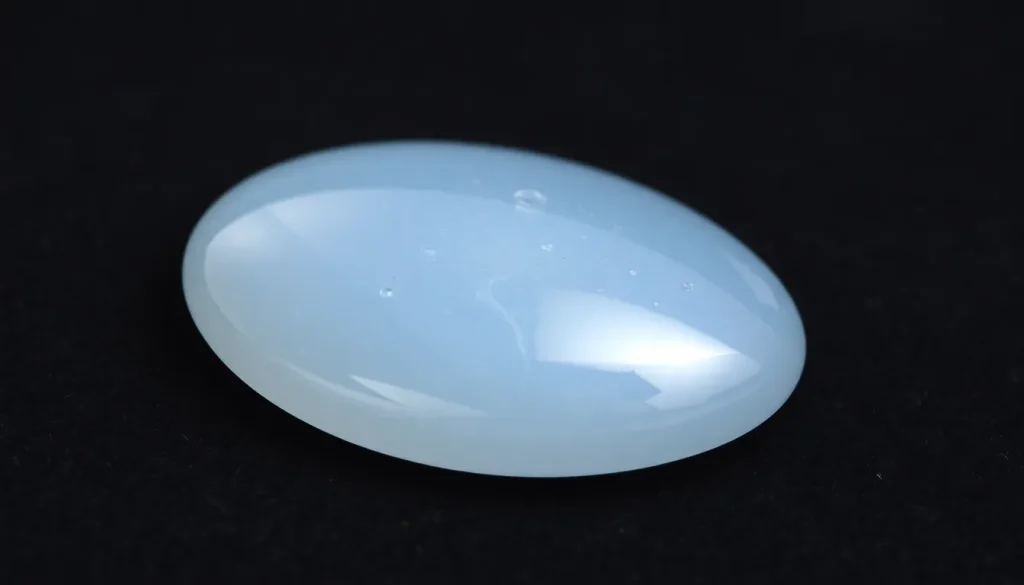
Lawsonite is a calcium‑aluminum sorosilicate mineral with the chemical formula CaAl₂Si₂O₇(OH)₂·H₂O. It crystallises in the orthorhombic system and typically occurs as elongated prismatic crystals or massive aggregates. In gem form it is prized for its clear to pale‑blue color, high refractive index, and vitreous luster.
History and Origin
The mineral was first described in 1895 from specimens collected in the Matsuo Mine, Honshu, Japan. It was named in honour of the American geologist Andrew Lawson, who made significant contributions to structural geology. Lawsonite is most commonly found in high‑pressure metamorphic rocks such as blueschists, indicating formation at depths of 15–30 km.
Meaning and Symbolism
In traditional gemstone lore, lawsonite is associated with inner stability, calm communication, and the ability to navigate change. Its clear, cool tones are thought to reflect mental clarity and the quiet strength needed during periods of transformation.
Healing and Metaphysical Properties
Crystal‑healing practitioners claim that lawsonite supports the throat chakra, encouraging honest expression and easing anxiety. It is also believed to aid in grounding emotional turbulence, promoting patience and perseverance. These attributes are considered symbolic and are not intended as medical advice.
Varieties and Types
Lawsonite gems are generally colourless, pale blue, or very light green. Occasionally, inclusions of other minerals produce subtle hazes or a faint brown tint. Because the mineral contains structural water, some specimens may display a faint fluorescence under ultraviolet light. Faceted stones are rare; most lawsonite gems are cut as cabochons to minimise the impact of its perfect cleavage.
Jewelry Uses and Care
Due to its perfect cleavage on {010} and a Mohs hardness of 6–6.5, lawsonite is used sparingly in jewelry. When set, it is typically protected in bezel or channel settings that shield the stone from knocks. Cleaning should be done with a soft brush and mild soap solution; avoid ultrasonic cleaners and harsh chemicals, as they can exacerbate cleavage or leach structural water.
Buying Guide
When evaluating lawsonite, consider the following criteria:
- Color: Desirable stones are colourless to pale blue with minimal cloudiness.
- Clarity: Inclusions are common, but large fractures or cloud zones reduce value.
- Cut: Cabochons that respect the crystal’s natural habit are preferred.
- Origin: High‑quality specimens often come from Japan, Canada (British Columbia), and the Alpine regions of Italy.
- Certification: Request a gemological report from a recognised laboratory to confirm identity and any treatments.
Because lawsonite is rare in gemstone‑quality, prices can vary widely. Authentic, untreated stones with good colour and clarity command the highest premiums.
FAQ
What is lawsonite good for?
Lawsonite is valued by collectors for its rare crystal habit and pale coloration. In crystal‑healing traditions it is believed to promote clear communication and emotional stability, though these claims are not medically proven.
Is lawsonite rare?
Yes, high‑quality lawsonite is relatively rare. While the mineral occurs in many metamorphic terranes, gem‑grade crystals with good color and clarity are limited, making it uncommon in jewelry.
How can you tell if lawsonite is real?
Real lawsonite displays perfect cleavage, a refractive index around 1.60, and a pale blue to colourless hue. A professional gemological lab can confirm its identity with spectroscopy and density tests.
What chakra is lawsonite associated with?
Traditional crystal‑healing sources often link lawsonite to the throat chakra, supporting honest expression, though no single standard chakra is universally accepted.
How should you clean lawsonite?
Clean lawsonite with lukewarm water, mild soap, and a soft brush. Avoid ultrasonic cleaners, steam, or harsh chemicals, as the stone’s perfect cleavage and water content make it vulnerable to damage.
Leave a Reply