
Short Answer
Overview
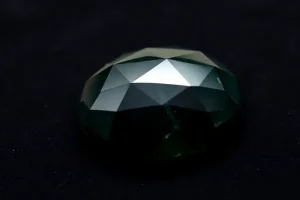
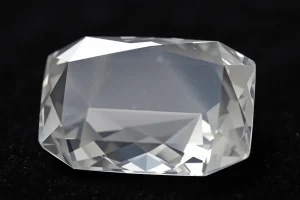
Ilmenite (FeTiO₃) is an iron‑titanium oxide mineral that serves as the main commercial source of titanium. In its natural state the stone is black to steel‑gray with a sub‑metallic to metallic luster. While primarily an industrial mineral, high‑quality specimens are occasionally cut as cabochons or faceted stones for ornamental jewelry.
History and Origin
The name “ilmenite” derives from the Ilmen Mountains in the Russian Arctic, where the mineral was first described in the early 19th century. Ilmenite forms in a wide range of geological settings, including mafic igneous rocks, metamorphic terranes, and heavy‑mineral sand deposits along coastlines. Its abundance in beach sands makes it a key component of mineral‑sand mining operations that also extract zircon, rutile, and monazite.
Meaning and Symbolism
In traditional gemstone lore, ilmenite is associated with grounding, resilience, and protection. Its deep, dark hue is said to absorb negative energies, while the metallic sheen symbolizes inner strength and the ability to shine under pressure. The stone is sometimes linked to the concept of transformation, reflecting titanium’s role in modern technology.
Healing and Metaphysical Properties
Crystal‑healing practitioners attribute the following qualities to ilmenite, based on long‑standing belief systems rather than scientific evidence:
- Grounding and stability: Thought to help anchor chaotic thoughts and promote emotional steadiness.
- Protection: Believed to create a shield against psychic intrusion and environmental stress.
- Energy transformation: Said to assist in converting negative emotions into constructive action.
- Physical support: Some claim it aids the body’s absorption of calcium and supports bone health, though these statements are not medically verified.
These properties are part of traditional metaphysical practice and should not replace professional medical advice.
Varieties and Types
Ilmenite occurs in several textural forms, each influencing its suitability for gem use:
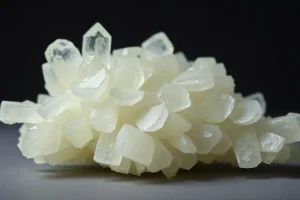
- Massive or granular: Common in ore deposits; typically opaque and unsuitable for faceting.
- Crystalline: Well‑formed trigonal crystals may display a reflective basal surface that is prized for cabochon work.
- Intergrown with titanite or magnetite: These associations can affect color, creating brownish or greenish tints.
Jewelry Uses and Care
Because ilmenite ranks 5–6 on the Mohs hardness scale, it is best used in pieces that are not subject to heavy wear, such as pendants, earrings, and brooches. When set in protective bezels or mounted as a cabochon, the stone showcases its metallic luster while minimizing the risk of scratching.
Cleaning: Use a soft, lint‑free cloth to gently wipe away dust. For deeper cleaning, a mild dish‑soap solution and a soft brush are acceptable; avoid ultrasonic cleaners and harsh chemicals, which can damage surface polish.
Storage: Store ilmenite separately from harder gemstones (e.g., quartz, sapphire) to prevent abrasion. Keep it in a padded jewelry box or a fabric pouch.
Buying Guide
When purchasing ilmenite, consider the following criteria:
- Clarity and surface polish: Look for a smooth, reflective surface free of deep scratches.
- Color consistency: Genuine ilmenite displays a uniform black‑gray tone; excessive brown or green hues may indicate mineral intergrowths.
- Cut style: Cabochons are the most common cut; verify that the stone’s shape enhances its metallic sheen.
- Origin and certification: Reputable dealers will provide provenance information and, when possible, a gemological report confirming composition.
- Treatment disclosure: Some ilmenite is heat‑treated to improve luster. Ensure any treatment is fully disclosed.
Because ilmenite is less common in the gemstone market, prices are generally modest compared with traditional gems. However, high‑quality, well‑cut specimens can command premium prices due to their rarity.
FAQ
What is ilmenite good for?
Ilmenite is primarily valued as the world’s main source of titanium for aerospace and pigment industries. In jewelry it offers a unique metallic luster for cabochons and ornamental pieces, while traditional beliefs associate it with grounding and protection.
Is ilmenite rare?
Ilmenite is abundant in the Earth's crust and common in heavy‑mineral sand deposits, but high‑quality, well‑crystallized specimens suitable for jewelry are relatively scarce, making gem‑grade ilmenite less common than many traditional gemstones.
How can you tell if ilmenite is real?
Real ilmenite feels heavy for its size, exhibits a metallic to submetallic luster, and is opaque black‑gray. A simple hardness test (scratch with a steel nail) should leave a mark, as ilmenite is softer than quartz. For certainty, seek a gemological report or have the stone examined with a refractometer and specific gravity measurement.
What chakra is ilmenite associated with?
In crystal‑healing traditions ilmenite is sometimes linked to the Root (Muladhara) chakra for grounding, though there is no universally accepted chakra association.
How should you clean ilmenite?
Clean ilmenite with a soft, lint‑free cloth. For deeper cleaning, use warm soapy water and a soft brush, then rinse with distilled water and pat dry. Avoid ultrasonic cleaners, steam, and harsh chemicals, as they can damage the surface polish.
Leave a Reply