Short Answer
Overview
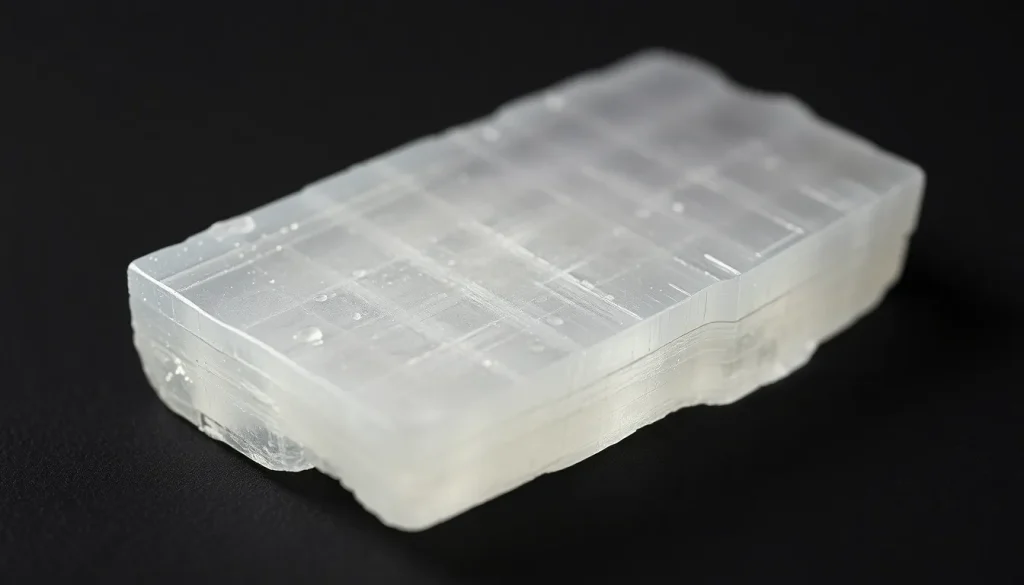
Gypsum (chemical formula CaSO4·2H2O) is a soft, water‑bearing sulfate mineral that forms in evaporite deposits worldwide. It crystallises in the monoclinic system and is best known for its perfect cleavage, low Mohs hardness of about 2, and a wide palette of colours ranging from pristine white to deep brown. The most recognizable varieties—selenite, satin spar, and alabaster—are prized in decorative arts, carving, and, to a lesser extent, as gemstone cabochons.
History and Origin
Gypsum has been harvested for millennia. Ancient Egyptians used it to make plaster and decorative statues, while the Romans employed it in wall finishes. Natural deposits form when seawater or lake water evaporates, leaving behind layers of calcium sulfate dihydrate. Major modern localities include the United States (Illinois, Oklahoma, Texas), Mexico, Spain, Italy, and Iran. Its softness made it a practical material for early building and artistic applications, long before it entered the gem and crystal markets.
Meaning and Symbolism
In gemstone folklore, gypsum is associated with clarity, calm, and gentle transformation. White varieties such as selenite are said to embody purity and the “light of the moon,” while pink or peach tones are linked to emotional tenderness. Because gypsum is easily carved, it often serves as a medium for symbolic sculptures that convey themes of renewal and inner peace.
Healing and Metaphysical Properties
Traditional crystal‑healing beliefs attribute the following properties to gypsum:
- Emotional balance: Helps soothe anxiety and promote a sense of calm.
- Spiritual cleansing: Used in rituals to clear negative energy from spaces and auras.
- Dream work: Selenite is thought to enhance dream recall and lucid dreaming.
- Physical support: Some practitioners suggest it aids the skeletal system and calcium metabolism, though these claims are not medically verified.
These meanings stem from cultural traditions and should not replace professional medical advice.
Varieties and Types
Gypsum occurs in several distinct forms, each with characteristic appearance and uses:
- Selenite: Transparent to translucent, sheet‑like crystals with a silky luster; prized for decorative objects and cleansing rituals.
- Satin Spar: Fibrous, silky‑appearing aggregates that display a pearly sheen; often cut as cabochons.
- Alabaster: Fine‑grained, massive form ranging from white to pink; extensively carved for statues, lamps, and ornamental objects.
- Desert Rose: Rose‑shaped clusters of gypsum crystals bound by sand; valued as collector pieces.
- Gypsum Twins: Intergrowths of gypsum with other minerals, sometimes displaying banded patterns.
Jewelry Uses and Care
Because of its low hardness and perfect cleavage, gypsum is unsuitable for everyday wear in rings or bracelets that endure impact. However, it finds niche use in pendants, earrings, and brooches that are handled gently. When set, protective backing and low‑stress settings (e.g., bezel or prong with cushioning) are recommended.
Care instructions:
- Clean with a soft, dry cloth; avoid ultrasonic cleaners and harsh chemicals.
- Do not expose to prolonged moisture or steam; gypsum can absorb water and lose its luster.
- Store separately from harder minerals to prevent scratching.
- If a stone becomes cloudy, a gentle wipe with a slightly damp cloth followed by immediate drying may restore clarity.
Buying Guide
When purchasing gypsum, consider the following criteria:
- Clarity and Surface Finish: Look for smooth, unblemished surfaces; fine‑grained varieties like alabaster should feel uniform.
- Color Consistency: Natural colors are subtle; overly vibrant hues may indicate dye or artificial treatment.
- Weight: Genuine gypsum feels light for its size due to its low specific gravity (≈2.3).
- Origin Documentation: Reputable dealers will provide locality information, especially for prized varieties such as desert rose.
- Treatment Disclosure: Ensure any polishing, bleaching, or stabilization is disclosed; untreated material is generally preferred for collectors.
Because gypsum is abundant, price is usually modest, but exceptional pieces with rare colors or flawless carving can command higher values.
FAQ
What is gypsum good for?
Gypsum is valued for its gentle aesthetic, use in carvings, decorative objects, and as a cabochon in light jewelry. Traditional crystal‑healing beliefs also associate it with emotional calm and spiritual cleansing.
Is gypsum rare?
Gypsum is a common mineral worldwide; however, high‑quality, transparent selenite or uniquely colored specimens (e.g., pink alabaster) can be less common and more valuable.
How can you tell if gypsum is real?
Real gypsum feels light, has perfect cleavage, and scratches easily with a fingernail. It shows a white streak and a low hardness of about 2. Professional gemologists can confirm authenticity with specific gravity or spectroscopic tests.
What chakra is gypsum associated with?
In metaphysical traditions, gypsum—especially selenite—is most often linked to the Crown Chakra, though some sources also connect it to the Third Eye Chakra.
How should you clean gypsum?
Wipe gently with a soft, dry cloth. Avoid water, ultrasonic cleaners, or harsh chemicals, as gypsum is water‑soluble and can become cloudy. Store separately from harder stones to prevent scratching.
Leave a Reply