
Short Answer
Overview
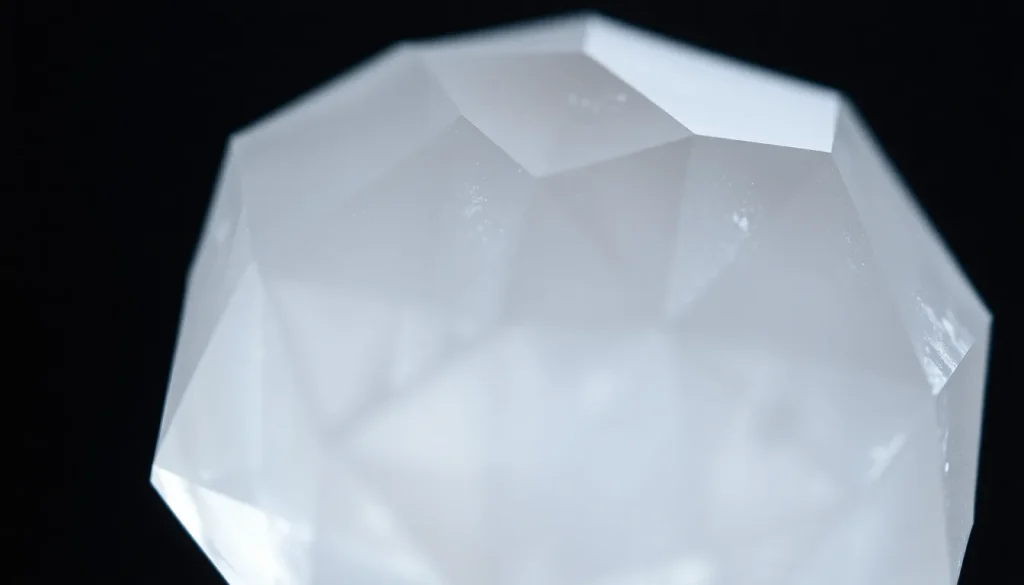
Gibbsite is the mineral form of aluminum hydroxide, Al(OH)₃. It crystallizes in the monoclinic system and is a major component of bauxite, the world’s primary ore of aluminum. In its purest form the stone is white to colourless, displaying a pearly to silky luster and a translucent to opaque body. Although not traditionally listed among classic gemstones, faceted gibbsite is sometimes used in jewelry for its subtle sheen and rarity.
History and Origin
The mineral was first described in 1847 and named after the Scottish chemist George Gibbs, who contributed to early studies of aluminum compounds. Gibbsite forms in lateritic soils and tropical weathering zones where aluminum‑rich rocks break down. Large deposits are found in the bauxite belts of Australia, West Africa (Guinea, Ghana), the Caribbean (Jamaica), Brazil, and the United States (Alabama). Historically the material was valued more for its industrial importance than for adornment.
Meaning and Symbolism
In contemporary gemstone lore, gibbsite is associated with clarity of purpose and grounded stability. Its milky appearance is said to represent purity of intention, while the subtle play of light is linked to inner reflection. Collectors often view gibbsite as a symbol of humble strength, reflecting the mineral’s role as the raw source of aluminum, a metal essential to modern life.
Healing and Metaphysical Properties
Traditional crystal‑healing beliefs attribute gibbsite with grounding energy, encouraging emotional balance and a sense of inner calm. Practitioners claim it can assist in releasing old patterns, promoting mental clarity, and supporting the body’s natural detoxification processes. These properties are described in metaphysical literature and are not intended as medical advice.
Varieties and Types
Gibbsite occurs primarily as massive, earthy aggregates within bauxite. When extracted in fine, transparent or translucent crystals, it can be cut as a cabochon or faceted gem. Occasionally the mineral is found with inclusions of iron oxides or quartz, which can add subtle colour variations such as pale yellow or gray. Treated specimens may be stabilized or dyed to enhance colour, but most natural gibbsite retains its characteristic white‑to‑cream hue.
Jewelry Uses and Care
Because of its low hardness (2.5–3.5 on the Mohs scale) and perfect basal cleavage, gibbsite is best suited for pendants, earrings, and brooches rather than rings that endure frequent impact. Settings that protect the stone, such as bezel or bezel‑set designs, are recommended. Cleaning should be done with mild soap and warm water, using a soft brush; ultrasonic cleaners and harsh chemicals are avoided to prevent surface damage. Store gibbsite separately from harder gemstones to avoid scratching.
Buying Guide
When evaluating gibbsite, consider the following factors:
- Clarity and translucency: Higher‑quality stones exhibit minimal cloudiness and a uniform milky appearance.
- Cut and setting: A well‑executed cut will showcase the stone’s silky luster while protecting its fragile edges.
- Origin documentation: Reputable dealers provide provenance, especially for specimens sourced from known bauxite localities.
- Treatment disclosure: Ask whether the stone has been dyed, stabilized, or otherwise enhanced.
Because gibbsite is not widely traded as a gemstone, prices are modest and vary according to size, clarity, and craftsmanship of the jewelry piece. For collectors, a certificate from a recognized gemological laboratory can add confidence in authenticity.
FAQ
What is Gibbsite good for?
Gibbsite is valued for its subtle aesthetic in jewelry, its role as a source of aluminum, and, in crystal‑healing circles, for grounding and clarity of purpose.
Is Gibbsite rare?
Gibbsite is common in bauxite deposits, but high‑quality, well‑formed crystals suitable for faceting are relatively scarce, making gem‑grade material uncommon.
How can you tell if Gibbsite is real?
Real gibbsite is soft (Mohs 2.5–3.5), displays perfect basal cleavage, and has a milky luster. Professional gemological testing, including refractive index measurement and spectroscopy, confirms authenticity.
What chakra is Gibbsite associated with?
Traditional metaphysical sources do not assign a single standard chakra to gibbsite; it is often linked to grounding energies rather than a specific chakra.
How should you clean Gibbsite?
Clean gibbsite with warm, soapy water and a soft brush. Avoid ultrasonic cleaners, harsh chemicals, and high‑impact polishing, as the stone is soft and cleavage‑prone.
Leave a Reply