
Short Answer
Overview
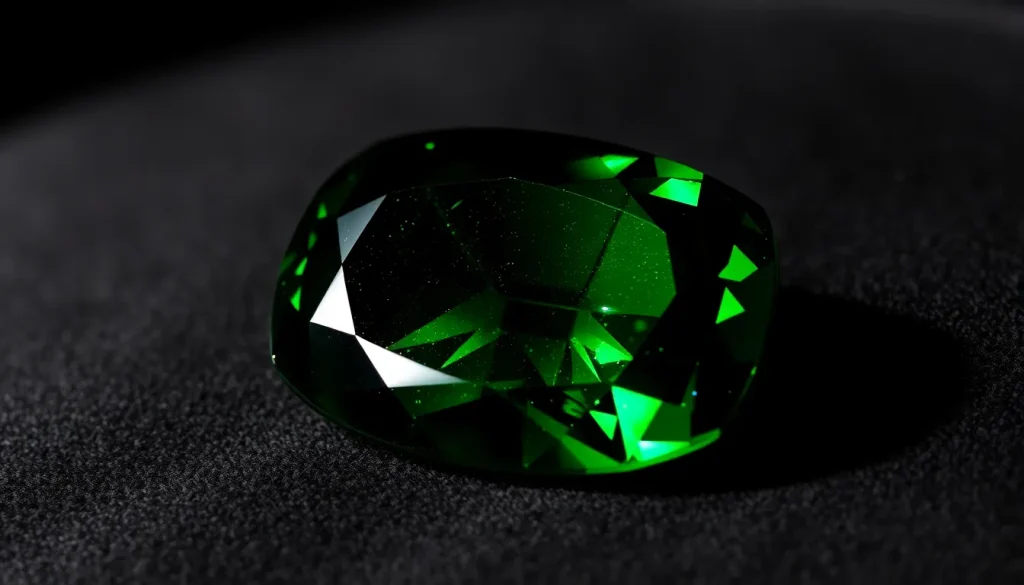
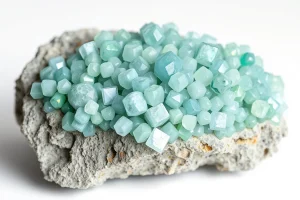
Grandite, often marketed as Mali garnet, is a green to bluish‑green variety of the garnet group. It belongs to the nesosilicate family and crystallises in the isometric system. With a Mohs hardness of 7–7.5, it is suitable for many types of jewelry while offering a distinctive colour that sets it apart from the more common red garnets.
History and Origin
The name “Grandite” originates from its discovery in the late 20th century in the mineral‑rich regions of Mali, West Africa. The stone quickly attracted attention for its vivid green hue, a rarity among garnets that are typically red, orange, or brown. While Mali remains the principal source, similar green garnets have been reported in Madagascar and Tanzania, though they are less frequently identified as Grandite.
Meaning and Symbolism
In traditional gemstone lore, Grandite is associated with renewal, growth, and the heart’s emotional balance. Its green colour is linked to nature, fertility, and the revitalising energy of spring. Many believe that wearing Grandite encourages compassion, empathy, and a deeper connection to one’s personal values.
Healing and Metaphysical Properties
Crystal‑healing practitioners describe Grandite as a stone that supports the heart chakra, fostering emotional healing and self‑acceptance. It is thought to aid in reducing stress, promoting a sense of inner peace, and enhancing the body’s natural healing processes. These beliefs are rooted in tradition and should not replace professional medical advice.
Varieties and Types
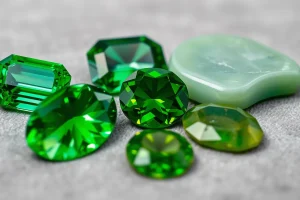
Grandite is essentially a colour variety rather than a distinct chemical species. It is most commonly a manganese‑rich or iron‑rich member of the garnet group, displaying a range of green intensities from dark forest to bright emerald tones. Some specimens show a subtle brownish or blue undertone, depending on the exact trace element composition.
Jewelry Uses and Care
Because of its hardness and attractive colour, Grandite is used in rings, pendants, earrings, and high‑end watch crowns. When set in protective settings, it resists scratching and everyday wear. Care recommendations include:
- Clean with a soft, lint‑free cloth and mild soapy water; avoid ultrasonic cleaners if the stone has been treated.
- Store separately from softer gems to prevent surface scratches.
- Avoid prolonged exposure to harsh chemicals, chlorine, or extreme heat.
Buying Guide
When selecting Grandite, consider the following factors:
- Colour intensity: Look for a vivid, even green without brown or gray zones.
- Clarity: Inclusions are common in natural garnets; high‑quality stones exhibit minimal visible blemishes.
- Cut: Well‑cut facets enhance sparkle and colour depth.
- Origin documentation: Reputable dealers should provide information on provenance, especially for stones claimed to be from Mali.
- Treatment disclosure: Some green garnets are heat‑treated to improve colour; ask for certification if this is a concern.
FAQ
What is Grandite good for?
Grandite is valued for its vibrant green colour in jewelry, and traditionally it is believed to promote emotional balance, heart‑centered compassion, and personal growth.
Is Grandite rare?
High‑quality Grandite is relatively rare because deep, even green colour and good clarity are uncommon; most specimens come from limited Mali deposits, making fine stones more valuable.
How can you tell if Grandite is real?
Examine the stone for a vitreous luster, isometric crystal habit, and a Mohs hardness of about 7. Professional gemologists can confirm authenticity with refractive index and specific gravity measurements.
What chakra is Grandite associated with?
In crystal lore, Grandite is linked to the Heart (Anahata) chakra, supporting emotional healing and love.
How should you clean Grandite?
Clean with warm soapy water and a soft cloth; avoid ultrasonic cleaners if the stone has been heat‑treated, and store it separately from softer gems to prevent scratches.
Leave a Reply