
Short Answer
Overview
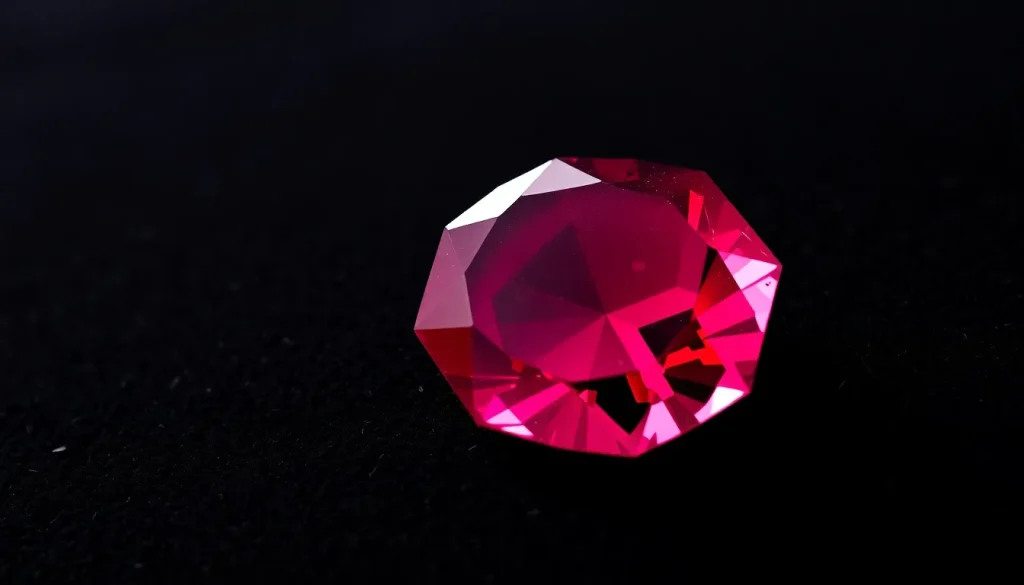
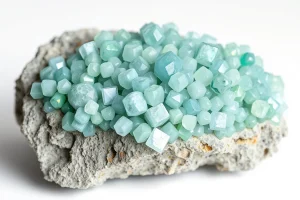
Gahnospinel is a member of the spinel group, a cubic oxide mineral composed chiefly of magnesium‑aluminum oxide (MgAl₂O₄) with trace elements that impart vivid coloration. The most common hues are deep red to pink, though orange and violet shades also occur. With a Mohs hardness of 8 and a vitreous luster, Gahnospinel is both brilliant and durable, making it suitable for a range of jewelry applications.
History and Origin
The name “gahnospinel” combines the spinel family with the historic mineral gahnite, named after Swedish chemist Johan Gahn. While gahnite itself is a zinc‑rich spinel (ZnAl₂O₄), gahnospinel refers to spinel specimens whose color is derived from trace chromium or iron rather than zinc. Natural occurrences have been documented in alluvial deposits and primary pegmatites, particularly in Myanmar (formerly Burma), Tanzania, Sri Lanka, and Vietnam. Historically, the stone was occasionally confused with ruby due to its red color, but modern gemological analysis distinguishes it by its refractive index and crystal structure.
Meaning and Symbolism
In traditional gemstone lore, gahnospinel is associated with vitality, passion, and personal power. Its intense red hue is said to symbolize courage and the spark of creative energy. The stone is also linked to commitment and loyalty, making it a popular choice for engagement and anniversary jewelry.
Healing and Metaphysical Properties
Crystal‑healing practitioners attribute the following properties to gahnospinel, describing them as traditional beliefs rather than medical facts:
- Energy grounding: Thought to connect the wearer to the Earth’s stabilising forces.
- Emotional balance: Believed to calm agitation, foster confidence, and support the expression of true feelings.
- Physical support: Some claim it aids circulation and supports the heart’s energetic field.
These uses are based on cultural traditions and are not a substitute for professional healthcare.
Varieties and Types
Gahnospinel does not have officially recognised sub‑varieties, but the following descriptive categories are used by collectors:
- Red Gahnospinel – deep ruby‑red, the most sought‑after color.
- Pink Gahnospinel – softer pastel tones, valued for subtle elegance.
- Orange/Violet Gahnospinel – rarer hues, often displaying vivid saturation.
All share the same spinel crystal structure; color differences arise from varying trace element concentrations.
Jewelry Uses and Care
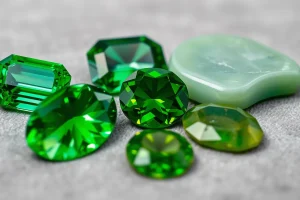
Because of its hardness (8 on the Mohs scale) and resistance to scratching, gahnospinel is well‑suited for rings, earrings, pendants, and bracelets. It can be faceted in classic cuts such as round brilliant, cushion, and oval, or set in more intricate designs that highlight its brilliance.
Care recommendations:
- Clean with warm, soapy water and a soft brush; avoid harsh chemicals.
- Use a lint‑free microfiber cloth for polishing.
- Store separately from softer gems to prevent abrasion.
- Although resistant, avoid prolonged exposure to extreme heat.
Buying Guide
When purchasing gahnospinel, consider the following factors:
- Color saturation: Deep, even color is most valuable.
- Clarity: Inclusions are common; a clean appearance enhances brilliance.
- Cut: Well‑executed cuts maximise sparkle and conceal minor flaws.
- Certification: Request a gemological report from a reputable laboratory (e.g., GIA) to verify authenticity and any treatments.
- Origin: While not a strict quality indicator, stones from classic localities such as Myanmar often command higher market interest.
Beware of synthetic spinel or heat‑treated stones marketed as natural gahnospinel. Professional appraisal is advisable for high‑value purchases.
FAQ
What is gahnospinel good for?
Gahnospinel is prized for its vibrant red‑pink color and durability, making it ideal for fine jewelry. Traditionally, it is believed to boost confidence, grounding, and emotional balance, though these attributes are based on folklore, not medical evidence.
Is gahnospinel rare?
High‑quality, deep‑red gahnospinel is relatively uncommon, especially in large, clean crystals. Rarity depends on color saturation, clarity, cut, and whether the stone is untreated. Treated or synthetic spinel is more readily available.
How can you tell if gahnospinel is real?
Real gahnospinel exhibits a high refractive index (≈1.77) and a cubic crystal habit. Simple tests include checking for a vitreous luster, hardness (scratch test with a steel file), and lack of fluorescence. For certainty, obtain a gemological report from a recognized laboratory.
What chakra is gahnospinel associated with?
In crystal‑healing traditions, gahnospinel is commonly linked to the Root (Muladhara) chakra, thought to provide grounding and stability.
How should you clean gahnospinel?
Clean gahnospinel with warm, mild soapy water and a soft brush. Rinse thoroughly and pat dry with a lint‑free cloth. Avoid ultrasonic cleaners if the stone is heat‑treated, and store it separately from softer gemstones.
Leave a Reply