
Short Answer
Overview
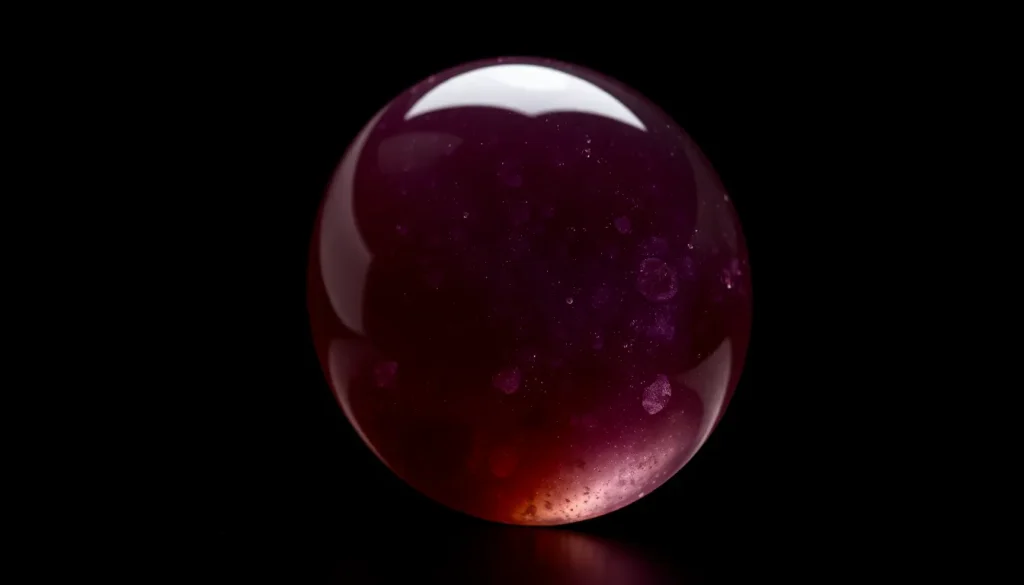
Ferroaxinite is the iron‑dominant member of the axinite group, a series of rare sorosilicate minerals with a characteristic flattened, tabular crystal habit. Its chemical composition is typically expressed as Ca₂Fe³⁺Al₂(BO₃)₂Si₄O₁₅(OH). The stone is most noted for its rich brown to reddish‑violet coloration, vitreous to sub‑adamantine luster, and a hardness that places it comfortably in the 6.5–7 range on the Mohs scale, making it suitable for many types of jewelry.
History and Origin
The axinite group was first described in the early 19th century from specimens found in the Axinite mine of the French Vosges Mountains. The iron‑rich variety, later named ferroaxinite (also called axinite‑(Fe) or iron axinite), was recognized as a distinct species in the mid‑20th century after detailed chemical analyses distinguished it from its manganese‑rich counterpart, manganaxinite.
Significant occurrences of ferroaxinite have been reported from a handful of localities worldwide, including the Manjimup region of Western Australia, the Itremo massif of Madagascar, the Minas Gerais state of Brazil, and certain ultramafic complexes in the Ural Mountains of Russia. These deposits are typically found in metamorphic rocks that have undergone high‑grade regional metamorphism, where the required boron‑rich fluids were present.
Meaning and Symbolism
In traditional gemstone lore, ferroaxinite is associated with grounding and inner strength. Its deep earth tones are said to reflect stability, resilience, and the capacity to endure challenging circumstances. Collectors often view ferroaxinite as a symbol of perseverance, believing that it can help the wearer stay rooted while pursuing personal ambitions.
Healing and Metaphysical Properties
Crystal‑healing practitioners attribute ferroaxinite with the following properties, though these claims are not medically verified:
- Grounding: Thought to anchor emotional energy to the physical body, supporting a sense of security.
- Strengthening Resolve: Believed to aid in overcoming fear and doubt, encouraging decisive action.
- Balancing the Root Chakra: Often linked to the Root (Muladhara) chakra, where it is said to promote vitality and confidence.
These metaphysical attributes are part of long‑standing cultural beliefs and should not replace professional medical advice.
Varieties and Types
Ferroaxinite belongs to the broader axinite group, which includes:
- Axinite‑(Fe) – the iron‑rich species, commonly called ferroaxinite.
- Axinite‑(Mn) – manganese‑dominant, known as manganaxinite.
- Axinite‑(Mg) – magnesium‑rich, sometimes referred to as magnesiobaxinite.
Within ferroaxinite, color variations can range from deep chocolate‑brown to reddish‑violet, occasionally showing faint greenish overtones when trace elements are present. The mineral’s crystal habit is typically tabular to prismatic, with a distinctive pseudo‑hexagonal cross‑section.
Jewelry Uses and Care
Because of its hardness (6.5–7) and relatively good cleavage, ferroaxinite is suitable for rings, pendants, earrings, and cabochons. However, its perfect cleavage in one direction requires careful setting to avoid fracture. The stone tolerates most standard cleaning methods, but avoid prolonged exposure to strong acids or ultrasonic cleaners, which could weaken the crystal lattice.
Recommended care routine:
- Wipe gently with a soft, lint‑free cloth after wearing.
- Use warm, mildly soapy water and a soft brush for deeper cleaning; rinse thoroughly.
- Avoid high‑temperature steam cleaning.
- Store separately from harder gemstones (e.g., diamonds, sapphires) to prevent scratching.
n
Buying Guide
When selecting ferroaxinite, consider the following factors:
- Color Saturation: Deep, even coloration without surface zoning is most desirable.
- Clarity: Inclusions are common; however, large fractures or cloudiness can diminish value.
- Cut and Setting: Look for well‑executed cabochons or faceted stones that respect the natural cleavage direction.
- Origin: Provenance from recognized localities (e.g., Madagascar, Brazil) can add to both authenticity and value.
- Treatment Disclosure: Some ferroaxinite specimens are heat‑treated to enhance color; reputable dealers will disclose any treatments.
Because ferroaxinite is relatively rare and not widely traded, prices vary widely. For high‑quality pieces, expect a premium compared with more common silicate gemstones. Always request a gemological report from a recognized laboratory (e.g., GIA, IGI) to verify identity and any treatments.
FAQ
What is ferroaxinite good for?
Ferroaxinite is valued for its attractive brown‑violet color and durability in jewelry, and traditional beliefs associate it with grounding, inner strength, and support for the Root chakra.
Is ferroaxinite rare?
Yes, ferroaxinite is considered rare. High‑quality, vivid specimens are limited to a few known localities such as Madagascar, Brazil, and Russia, and well‑cut stones command premium prices.
How can you tell if ferroaxinite is real?
Authentic ferroaxinite displays a vitreous luster, a hardness of 6.5–7, and characteristic perfect cleavage in one direction. A professional gemological lab can confirm its identity through chemical analysis and refractive index measurement.
What chakra is ferroaxinite associated with?
Traditional crystal‑healing sources link ferroaxinite to the Root (Muladhara) chakra, where it is believed to promote stability and confidence.
How should you clean ferroaxinite?
Clean ferroaxinite with warm, mildly soapy water and a soft brush, then rinse and pat dry with a lint‑free cloth. Avoid harsh chemicals, ultrasonic cleaners, and prolonged steam exposure.
Leave a Reply