
Short Answer
Overview
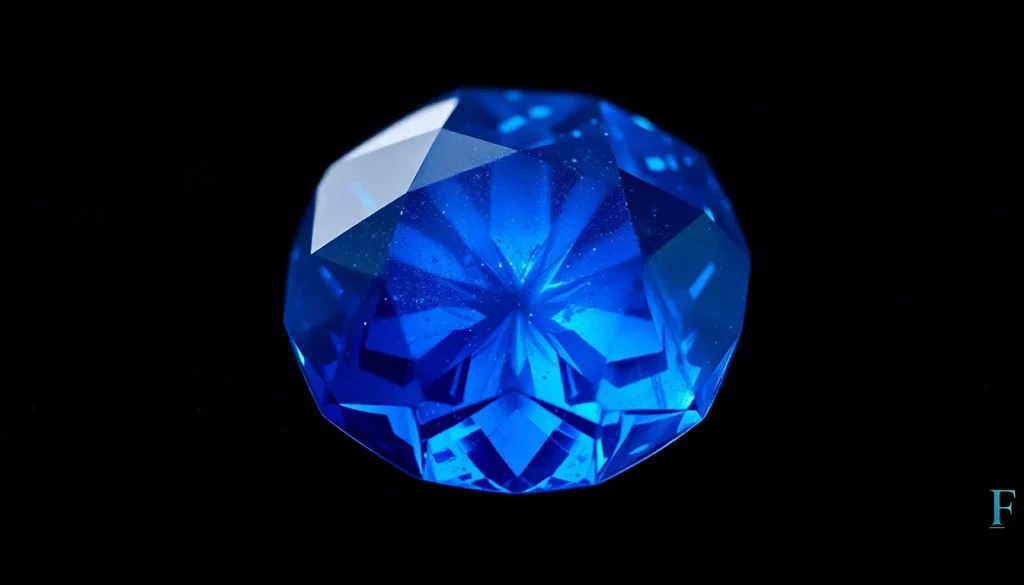
Euclase is a rare beryllium‑aluminum silicate gemstone noted for its intense blue to violet hue and high refractive index, which give it exceptional brilliance. The mineral crystallizes in the orthorhombic system and exhibits a perfect basal cleavage that can cause it to split if struck.
History and Origin
Discovered in the mid‑19th century, Euclase was first described from a specimen found in the Brazilian state of Minas Gerais. Since then, notable deposits have been identified in Madagascar, Pakistan’s Kohistan region, the United States (particularly California), and parts of the Russian Urals. Historically, the stone was used as a collector’s mineral rather than a mainstream gemstone because of its tendency to cleave.
Meaning and Symbolism
In traditional gemstone lore, Euclase is said to represent clarity of thought and the pursuit of truth. Its deep blue color is associated with sincerity, loyalty, and calm communication. The stone is sometimes linked to the concept of “inner vision,” encouraging the wearer to see beyond illusion.
Healing and Metaphysical Properties
Crystal‑healing practitioners attribute Euclase with the ability to enhance mental focus, aid decision‑making, and promote truthful expression. It is believed to support the throat chakra and help release suppressed emotions. These claims are based on tradition and are not medical advice.
Varieties and Types
While the basic chemical composition remains the same, Euclase occurs in several color varieties:
- Deep blue – the most common and valued color.
- Blue‑green – a slightly greener shade, often found in Madagascar.
- Colourless to pale green – rarer, usually less sought after for jewelry.
All varieties share the same crystal habit of prismatic or tabular crystals and the characteristic perfect cleavage.
Jewelry Uses and Care
Because of its high brilliance, Euclase is cut into faceted gems for rings, pendants, and earrings. However, its perfect cleavage (similar to that of beryl) means it must be set securely, preferably with protective bezel or channel settings. The stone tolerates most standard cleaning methods, but ultrasonic or steam cleaning should be avoided.
Buying Guide
When purchasing Euclase, consider the following factors:
- Color intensity: Deep, vivid blues command the highest prices.
- Clarity: Inclusions are common; a clean stone shows better brilliance.
- Cut and setting: A well‑cut stone that protects the cleavage will retain its durability.
- Origin: Brazilian and Madagascan stones are most widely available; Pakistani material can be rarer.
- Certification: Request a gemological report from a reputable laboratory to confirm authenticity.
Because Euclase can be treated with heat to improve color, always ask the seller about any treatments.
FAQ
What is Euclase good for?
Euclase is prized for its vivid blue color and high brilliance, making it suitable for fine jewelry. In traditional crystal‑healing belief, it is thought to aid mental clarity and truthful communication.
Is Euclase rare?
High‑quality, deep‑blue Euclase is relatively rare due to its limited deposits and perfect cleavage, which can cause loss during cutting. Lesser colors are more common, but overall the gemstone is less abundant than many popular gems.
How can you tell if Euclase is real?
Real Euclase exhibits a high refractive index (≈1.64) and strong dispersion. It shows perfect basal cleavage when struck and a white streak. Professional gemological testing, such as spectroscopy or a GIA report, is recommended for certainty.
What chakra is Euclase associated with?
Traditional crystal‑healing sources often link Euclase to the throat chakra, supporting clear expression, though there is no scientific basis for this association.
How should you clean Euclase?
Clean Euclase with mild soapy water and a soft brush. Avoid ultrasonic or steam cleaners because the stone’s perfect cleavage can be damaged by vibration or rapid temperature changes.
Leave a Reply