
Short Answer
Overview
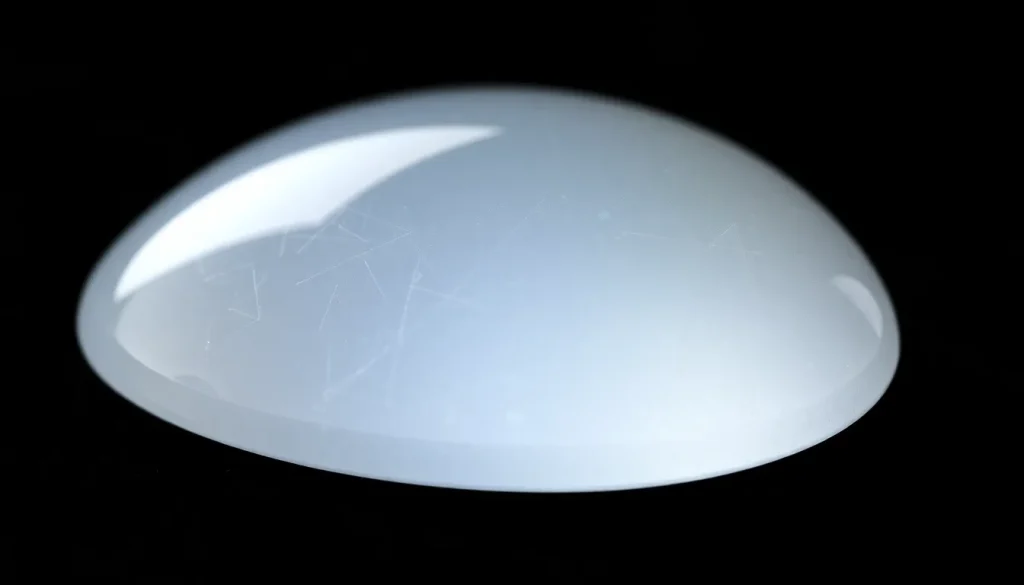
Augelite is a hydrated aluminum phosphate mineral that is occasionally used as a gemstone. It typically appears in colorless to white crystals, though pale blue, green, or yellow shades occur. With a Mohs hardness of 3.5–4, augelite is relatively soft, making it suitable for occasional ornamental use rather than everyday jewelry.
History and Origin
The name “augelite” was given in honor of the French mineralogist Auguste (late 19th century). The mineral was first described from specimens collected in the United States, and it has since been reported from oxidized zones of lead‑zinc ore deposits in several countries.
Meaning and Symbolism
In traditional gemstone lore, augelite is associated with clarity of thought and inner calm. It is said to symbolize purity and the gentle illumination of hidden truths.
Healing and Metaphysical Properties
Crystal‑healing practitioners claim that augelite can aid mental focus, reduce stress, and assist in emotional balance. It is sometimes linked to the throat and crown chakras, although these associations are based on belief rather than scientific evidence.
Varieties and Types
- Colorless/White: The most common and prized for its transparency.
- Pale Blue: Occurs when trace amounts of iron are present.
- Yellow to Green: Rare hues caused by minor impurities.
- Translucent to Opaque: Varying degrees of translucency affect suitability for faceting.
Jewelry Uses and Care
Because of its modest hardness, augelite is most often cut as a cabochon or used in beadwork, pendants, and earrings that are not subject to heavy wear. Cleaning should be done with a soft, damp cloth; avoid ultrasonic cleaners, harsh chemicals, or prolonged exposure to heat.
Buying Guide
When selecting augelite, consider the following:
- Color and clarity – transparent, colorless stones are generally most valued.
- Cut – a well‑polished cabochon will showcase the stone’s luster.
- Origin – reputable sources often provide locality information.
- Treatment – natural augelite is rarely treated, but be aware of possible dyeing.
- Certification – a gemological report can confirm authenticity.
FAQ
What is augelite good for?
Augelite is used occasionally in ornamental jewelry such as cabochons and beads. Traditionally, it is believed to promote mental clarity and emotional calm, though these claims are not scientifically proven.
Is augelite rare?
Augelite is not among the most common gemstones; high‑quality, colorless specimens are relatively scarce, while lower‑grade material is more widely available from several localities.
How can you tell if augelite is real?
Real augelite is typically translucent to transparent, has a hardness of 3.5–4, and shows a white streak. Professional gemologists can confirm identity with refractive index measurements and X‑ray diffraction.
What chakra is augelite associated with?
In crystal‑healing traditions augelite is sometimes linked to the throat and crown chakras, but these associations are based on belief rather than scientific evidence.
How should you clean augelite?
Clean augelite gently with a soft, damp cloth and mild soap. Avoid ultrasonic cleaners, harsh chemicals, and high heat, as the stone is relatively soft and may be porous.
Leave a Reply