
Short Answer
Overview
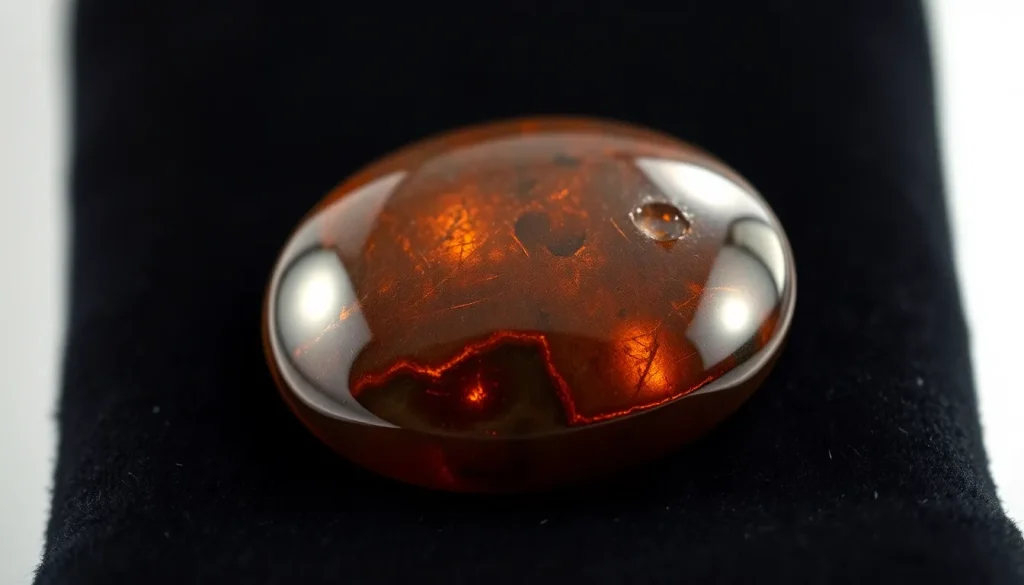
Bronzite is a brown‑to‑bronze variety of the orthopyroxene mineral enstatite, belonging to the pyroxene group. Its name derives from the metallic bronze sheen that appears on polished surfaces, especially when light reflects off internal exsolution lamellae of iron‑bearing minerals. On the Mohs scale bronzite rates between 5.5 and 6.5, making it suitable for many types of jewelry while still requiring careful handling.
History and Origin
The use of bronzite as a decorative stone dates back to the early 19th century when mineral collectors noted its attractive bronzy luster. It is primarily a metamorphic or igneous mineral formed in high‑temperature environments where magnesium‑rich silicate melts crystallize. Notable historic localities include the Adirondack region of New York, the Sierra Nevada of California, and the Kola Peninsula of Russia. In the mid‑20th century, bronzite gained popularity among lapidary artists for cabochons and beads.
Meaning and Symbolism
Traditional gemstone lore associates bronzite with grounding, stability, and practicality. It is said to encourage perseverance, help one stay focused on goals, and foster a sense of personal power. In cultural contexts, the stone’s earthy bronze hue is linked to the earth element and is often used as a talisman for protection during travel.
Healing and Metaphysical Properties
Within crystal‑healing communities, bronzite is believed to balance the root chakra, promote confidence, and dispel fear. Practitioners claim it can aid in releasing old emotional patterns and support physical vitality, especially of the musculoskeletal system. These attributes are described as traditional beliefs and are not intended as medical advice.
Varieties and Types
Bronzite occurs in several forms, distinguished mainly by iron content and the presence of exsolution textures:
- Ferroan bronzite – higher iron, darker brown to black with a stronger metallic sheen.
- Olive‑bronze bronzite – contains trace amounts of chromium, giving a subtle greenish hue.
- Pseudomorph bronzite – bronzite that has replaced another mineral while retaining the original crystal shape.
All varieties share the same orthorhombic crystal structure and similar physical properties.
Jewelry Uses and Care
Because of its moderate hardness, bronzite is commonly cut into cabochons, beads, and small faceted stones for earrings, pendants, and rings. Its metallic luster is enhanced by polishing, and it pairs well with silver, gold, and darker gemstones such as onyx or smoky quartz.
Care instructions:
- Clean with warm, soapy water and a soft brush; avoid ultrasonic cleaners that may loosen surface polish.
- Dry with a lint‑free cloth; avoid prolonged exposure to harsh chemicals or acids.
- Store separately from harder gemstones (e.g., quartz, topaz) to prevent scratching.
- Re‑polish periodically if the surface becomes dull, ideally by a professional lapidary.
Buying Guide
When purchasing bronzite, consider the following criteria:
- Color and Luster – Look for a uniform bronzy tone with a clear metallic sheen. Deep, even coloration is more valuable.
- Clarity – Inclusions are common; however, they should not dominate the stone or obscure the surface polish.
- Cut and Finish – A well‑polished cabochon will display the characteristic bronze sparkle. Avoid pieces with uneven or matte finishes unless intentionally treated.
- Origin Disclosure – Reputable dealers will provide locality information. Known sources such as the United States, Canada, Norway, and Russia are considered reliable.
- Treatment – Natural bronzite is rarely heat‑treated, but some specimens may be dyed to enhance color. Ask for any treatment disclosures.
For high‑value pieces, request a gemological report from a certified laboratory (e.g., GIA or IGI) to verify authenticity and any treatments.
FAQ
What is bronzite good for?
Bronzite is valued for its attractive bronze metallic luster in jewelry and decorative objects. Traditionally, it is believed to promote grounding, confidence, and protection, though these are spiritual beliefs, not medical facts.
Is bronzite rare?
Bronzite is not considered rare; it occurs in many metamorphic and igneous settings worldwide. High‑quality, uniformly bronzed stones with excellent polish are less common and command higher prices.
How can you tell if bronzite is real?
Real bronzite exhibits a metallic bronze sheen, a hardness of 5.5–6.5, and a gray‑white streak. It lacks the bright, glassy luster of synthetic glass or plastic. For certainty, have the stone examined by a certified gemologist who can perform refractive index and specific gravity tests.
What chakra is bronzite associated with?
In crystal‑healing traditions, bronzite is commonly linked to the Root (Muladhara) chakra, supporting grounding and stability.
How should you clean bronzite?
Clean bronzite with warm, mildly soapy water and a soft brush. Rinse thoroughly and pat dry with a lint‑free cloth. Avoid ultrasonic cleaners, harsh chemicals, and prolonged exposure to acids, as these can damage the polish.
Leave a Reply