
Short Answer
Overview
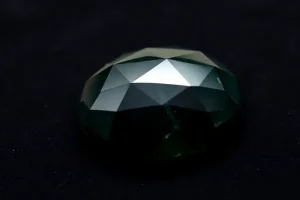
Carbonado, commonly called the black diamond, is an opaque, polycrystalline aggregate of pure carbon. Unlike gem‑quality transparent diamonds, carbonado consists of numerous intergrown crystal grains, giving it a micro‑textured, metallic‑black appearance. It ranks 10 on the Mohs scale, making it one of the hardest natural materials, and its density (specific gravity ~3.5) is comparable to that of clear diamonds. Carbonado is valued for its dramatic color, durability, and the mystery surrounding its geological origin.
History and Origin
The first documented carbonado specimens appeared in the 18th‑century Brazilian mining reports, where they were recovered from alluvial gravels alongside gold and other gemstones. By the early 20th century, similar black stones were found in the Central African Republic, Venezuela, and other tropical river basins. The stones are typically recovered from secondary (alluvial) deposits, suggesting they were weathered out of primary sources that remain unidentified. Scientific hypotheses for their origin include deep‑mantle formation, subduction‑zone processes, and even extraterrestrial impact. No single theory has been universally accepted, and the exact primary source of carbonado remains a subject of ongoing research.
Meaning and Symbolism
In traditional gemstone lore, carbonado represents strength, resilience, and unyielding power. Its impenetrable black surface is associated with protection against negative influences and the ability to absorb and transform challenging energies. Because the stone is both rare and durable, it is often given as a token of enduring commitment or as a talisman for those who seek inner fortitude.
Healing and Metaphysical Properties
Crystal‑healing practitioners attribute the following properties to carbonado, presented as traditional beliefs rather than medical facts:
- Grounding: The stone is said to anchor the wearer to the Earth, fostering stability and a sense of security.
- Protection: It is believed to create a protective energetic field that shields against psychic or environmental negativity.
- Strength & Courage: Users claim carbonado can boost confidence and help confront difficult situations with resolve.
- Energy Amplification: Some traditions hold that carbonado can intensify the energies of neighboring crystals.
These attributes are rooted in cultural and metaphysical traditions and should not be taken as clinical health advice.
Varieties and Types
Carbonado is essentially a single variety—natural black diamond. However, the market distinguishes between:
- Natural Carbonado: Unaltered, polycrystalline black diamonds mined from alluvial deposits.
- Treated Black Diamonds: Transparent diamonds that have been irradiated or coated to achieve a black appearance. These differ in structure and are usually less dense.
- Synthetic Black Diamonds: Lab‑grown diamonds that are either fully black or have been heavily irradiated. While chemically identical, they are generally less valuable than natural carbonado.
Collectors prioritize natural carbonado for its rarity and unique micro‑crystalline texture.
Jewelry Uses and Care
Because of its hardness and resistance to scratching, carbonado is an excellent choice for rings, bracelets, and other pieces subject to daily wear. Its opaque black surface creates striking contrast with metals such as white gold, platinum, or even yellow gold.
Care Guidelines:
- Clean with warm, mild soap and a soft brush; avoid abrasive cleaners.
- Because carbonado is non‑porous, ultrasonic cleaning is generally safe, but verify that any metal settings are secure before use.
- Avoid prolonged exposure to strong acids or bases, which can affect metal settings rather than the stone itself.
- Store separately from softer gemstones to prevent accidental scratching of the metal components.
Buying Guide
When purchasing carbonado, consider the following factors:
- Origin Documentation: Reputable dealers will provide provenance, especially for stones from Brazil or the Central African Republic.
- Color Uniformity: True carbonado shows a deep, uniform black with subtle metallic lusters. Inconsistent gray or brown patches may indicate a treated stone.
- Cut and Symmetry: Since the stone is opaque, cut quality is judged by proportions, polish, and how well the facets reflect light.
- Certification: Look for gemological reports from GIA, IGI, or other accredited labs that specify “natural carbonado” and note any treatments.
- Price Range: High‑quality natural carbonado commands premium prices, often several hundred dollars per carat, while treated or synthetic alternatives are markedly less expensive.
Always request a written guarantee and, when possible, view the stone under magnification before finalizing the purchase.
FAQ
What is carbonado good for?
Carbonado is prized for its extreme durability and striking black appearance, making it ideal for rings, bracelets, and ornamental pieces. Traditionally, it is also regarded as a protective and grounding stone in crystal‑healing practices.
Is carbonado rare?
Natural carbonado is relatively rare compared with clear diamonds. High‑quality specimens from Brazil or the Central African Republic are especially scarce, while treated black diamonds and synthetic alternatives are more common.
How can you tell if carbonado is real?
Real carbonado is opaque, uniformly black, and feels extremely hard. Professional testing—such as a GIA certification, hardness test, and spectroscopic analysis—confirms its natural, polycrystalline nature and distinguishes it from treated or synthetic black diamonds.
What chakra is carbonado associated with?
In crystal‑healing traditions, carbonado is most often linked to the Root (Muladhara) chakra, supporting grounding, stability, and protection.
How should you clean carbonado?
Clean carbonado with warm, mild soapy water and a soft brush. Because the stone is as hard as any diamond, ultrasonic cleaning is generally safe, but verify that metal settings are secure before using ultrasonic devices.

Leave a Reply