
Short Answer
Overview
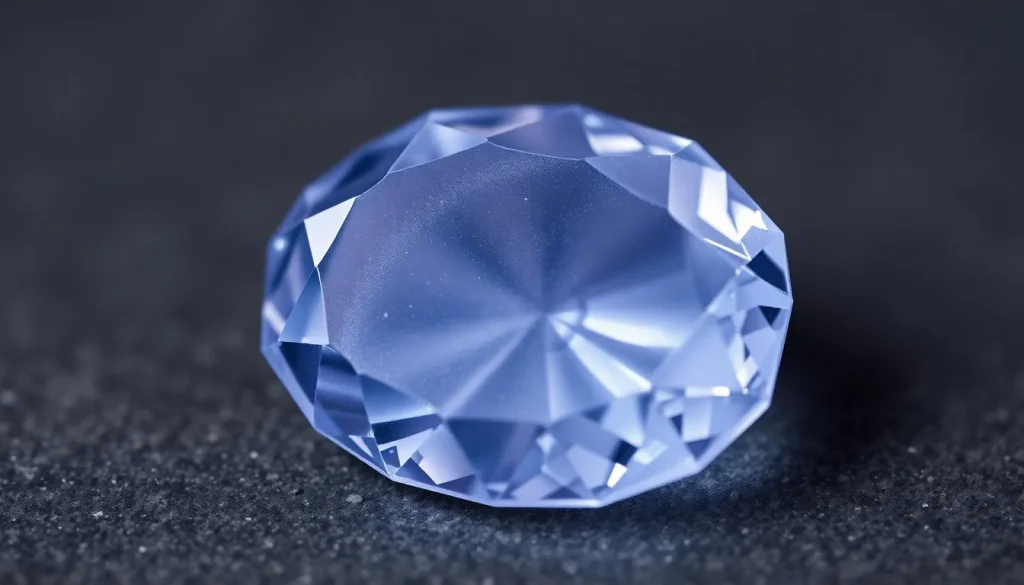
Milarite is a rare cyclosilicate mineral belonging to the beryl group. It crystallises in the hexagonal system and is prized for its striking colour range that spans colourless, pale blue, violet, pink, and, in very rare specimens, yellow. With a Mohs hardness of 7.5–8, milarite is suitable for many types of jewellery, though its rarity makes it a collector’s stone as well as a decorative gem.
History and Origin
The name “milarite” derives from the Milar River region of Madagascar, where the mineral was first described in the early 20th century. Subsequent discoveries have been reported from Sri Lanka, Brazil, Tanzania, and a few localities in the United States (California). Historically, milarite was occasionally confused with other beryl‑group gems such as aquamarine or emerald until detailed chemical analysis clarified its distinct composition.
Meaning and Symbolism
In traditional gemstone lore, milarite is associated with clarity of thought and heightened intuition. Its cool blue‑violet tones are said to reflect the calm of a clear sky, symbolising peace, inner wisdom, and a connection to higher consciousness. Because of its rarity, milarite is also considered a symbol of uniqueness and personal achievement.
Healing and Metaphysical Properties
Crystal‑healing practitioners attribute milarite with the following beliefs:
- Mind: Enhances mental clarity, focus, and aids meditation.
- Emotions: Helps release fear and promotes emotional balance.
- Spiritual: Supports activation of the crown and third‑eye chakras, encouraging spiritual insight.
These properties are based on traditional beliefs and are not intended as medical advice.
Varieties and Types
Milarite occurs in several colour varieties, each reflecting trace element chemistry and formation conditions:
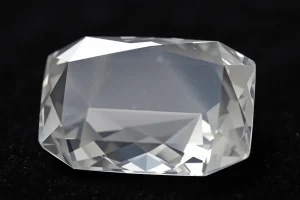
- Colourless to White: The most common, often used as a subtle accent stone.
- Pale Blue: Ranges from sky‑blue to deeper azure, the most sought‑after commercial colour.
- Violet: Soft lavender hues, occasionally displaying a faint fluorescence under UV light.
- Pink: Rare, caused by manganese impurities.
- Yellow: Extremely rare, linked to trace iron‑chromium combinations.
All varieties share the same crystal structure and similar physical properties, but colour is the primary factor in valuation.
Jewelry Uses and Care
Because milarite ranks 7.5–8 on the Mohs scale, it can be cut into faceted gems for rings, pendants, earrings, and high‑end watch bezels. Its vitreous luster and high refractive index give it a brilliant sparkle comparable to other beryl gems.
Care Recommendations:
- Clean with warm soapy water and a soft brush; avoid harsh chemicals.
- Use a soft microfiber cloth for polishing; ultrasonic cleaners are acceptable if the stone is untreated.
- Store separately from harder gemstones (e.g., sapphire, diamond) to prevent scratching.
- Avoid prolonged exposure to extreme heat, which could cause colour fading in treated specimens.
Buying Guide
When purchasing milarite, consider the following factors:
- Colour Quality: Deep, even colour with minimal zoning is most valuable.
- Clarity: Inclusions are common; eye‑clean stones command higher prices.
- Cut: Well‑proportioned cuts maximise brilliance; avoid shallow or overly deep proportions.
- Treatment Disclosure: Some milarite stones are heat‑treated to enhance colour. Reputable dealers will disclose any treatments.
- Certification: Request a gem‑ological report from GIA, IGI, or a recognized laboratory to verify identity and any treatments.
Because milarite is scarce, prices can vary widely. Compare multiple sources, and be wary of stones marketed simply as “blue beryl” without clear identification.
FAQ
What is milarite good for?
Milarite is valued for its high brilliance in fine jewellery and as a collector’s gemstone. Traditionally, it is believed to enhance intuition and mental clarity, though these effects are not medically proven.
Is milarite rare?
Milarite is considered rare due to limited high‑quality deposits and the small size of gem‑grade crystals. Quality, colour, and clarity affect its scarcity and market value.
How can you tell if milarite is real?
Authentic milarite shows a hexagonal crystal habit, a refractive index around 1.58, and no fluorescence under UV light. Professional testing with a gem‑lab report is recommended for certainty.
What chakra is milarite associated with?
In crystal‑healing traditions, milarite is linked to the Crown Chakra and sometimes the Third Eye, supporting spiritual insight and mental clarity.
How should you clean milarite?
Clean milarite with warm, mild soapy water and a soft brush. Avoid harsh chemicals and prolonged heat exposure. Store separately from harder gemstones to prevent scratching.
Leave a Reply