
Short Answer
Overview
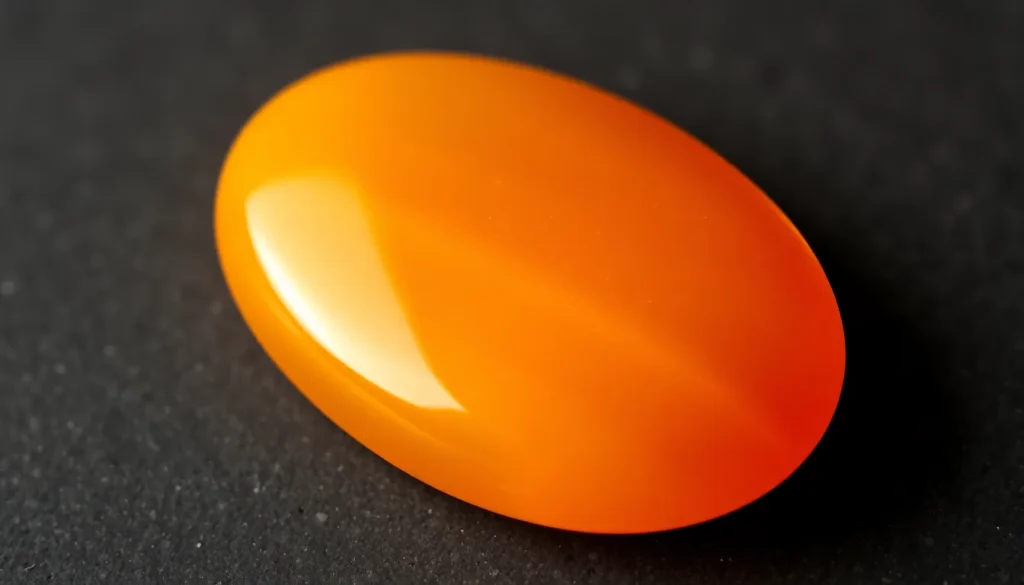
Mimetite (Pb5(AsO4)3Cl) is a member of the apatite group of phosphate minerals. It typically forms in the oxidized zones of lead–zinc ore deposits where arsenic is present. Crystals are commonly prismatic to tabular, and they display a brilliant yellow to orange, brown, or reddish color with an adamantine to resinous luster. Although its Mohs hardness of 3.5–4 makes it relatively soft for everyday jewelry, mimetite is sometimes cut as a cabochon or used as an ornamental stone.
History and Origin
The name “mimetite” derives from the Greek word mimetes meaning “imitator,” because its bright yellow color can imitate the appearance of gold or other yellow minerals such as pyromorphite. It was first described in 1802 from specimens collected in the United Kingdom. Commercial mining began in the late 19th century, especially in the United States (Arizona’s Bisbee district) and Morocco, where large, well‑formed crystals are found. Today, mimetite is primarily a collector’s mineral, though small gem‑quality pieces continue to be produced.
Meaning and Symbolism
In traditional gemstone lore, mimetite is associated with protection, grounding, and the ability to “shield” the wearer from negative influences. Its bright, sun‑like color is said to bring optimism and clarity of thought, while its lead content historically linked it to concepts of strength and endurance.
Healing and Metaphysical Properties
Crystal‑healing practitioners attribute the following properties to mimetite. These are beliefs, not medical facts:
- Protection: Thought to create a barrier against psychic attacks and environmental stress.
- Grounding: Believed to help anchor emotions and thoughts, promoting stability.
- Energy Amplification: Said to boost the effectiveness of other stones when placed together.
- Emotional Balance: Traditionally used to alleviate feelings of fear and uncertainty.
Practitioners often place mimetite on the solar plexus or hold it during meditation to focus intent.
Varieties and Types
Mimetite occurs in several color varieties, each reflecting subtle changes in composition:
- Yellow Mimetite: The most common form, ranging from pale lemon to deep sunflower yellow.
- Orange to Red Mimetite: Less common; the hue deepens with increased iron or copper impurities.
- Brown or “Chocolate” Mimetite: Often found in the same deposits as yellow specimens, displaying earthy tones.
- Copper‑rich Mimetite (Mimetite‑Cu): Exhibits a greener tint and is sometimes marketed as a distinct variety.
Jewelry Uses and Care
Because mimetite is relatively soft and brittle, it is best suited for low‑impact jewelry such as pendants, earrings, and brooches set in protective bezels. Cabochon cuts are preferred over faceted cuts to reduce the risk of chipping.
Cleaning: Use a soft, lint‑free cloth and mild soapy water. Avoid ultrasonic cleaners, steam, and harsh chemicals, as they can damage the surface or leach arsenic traces. Never expose mimetite to prolonged sunlight, which may cause fading over time.
Storage: Keep pieces separate from harder gemstones (e.g., quartz, quartzite) to prevent scratching. Store in a padded pouch or a fabric‑lined box.
Buying Guide
When purchasing mimetite, consider the following factors:
- Color Saturation: Deep, uniform yellow or orange is most valued; uneven or zoned colors are less desirable.
- Clarity: Inclusions are common, but large, visible cracks lower value.
- Cut Quality: A well‑polished cabochon that showcases the stone’s luster is preferable.
- Origin Documentation: Reputable dealers will provide locality information; known sources include Arizona (USA), Morocco, and Namibia.
- Treatment Disclosure: Some mimetite is dyed to enhance color; ask for a treatment statement.
Because mimetite contains lead and arsenic, it should not be handled excessively or worn by children. Always buy from a certified gem‑dealer who can provide a gem‑ological report.
FAQ
What is mimetite good for?
Mimetite is primarily valued by collectors for its bright yellow color and crystal habit. In crystal‑healing circles it is believed to offer protection, grounding, and emotional balance, but these are not medical claims.
Is mimetite rare?
High‑quality, vivid yellow mimetite is relatively uncommon, especially in large, clean specimens. However, the mineral itself is not exceedingly rare and is found in several mining districts worldwide.
How can you tell if mimetite is real?
Real mimetite is heavy (high specific gravity), has an adamantine luster, and shows a yellow streak. It is softer than quartz (hardness 3.5–4) and may display perfect basal cleavage. Professional gemological testing, such as refractive index measurement, confirms authenticity.
What chakra is mimetite associated with?
Traditional crystal‑healing sources often link mimetite to the Solar Plexus (Manipura) chakra, though some practitioners also associate it with the Root chakra. These connections are symbolic and not scientific.
How should you clean mimetite?
Clean mimetite gently with lukewarm soapy water and a soft cloth. Avoid ultrasonic cleaners, steam, or harsh chemicals. Because it contains lead and arsenic, limit prolonged skin contact and store it separately from harder gemstones.
Leave a Reply