Short Answer
Overview
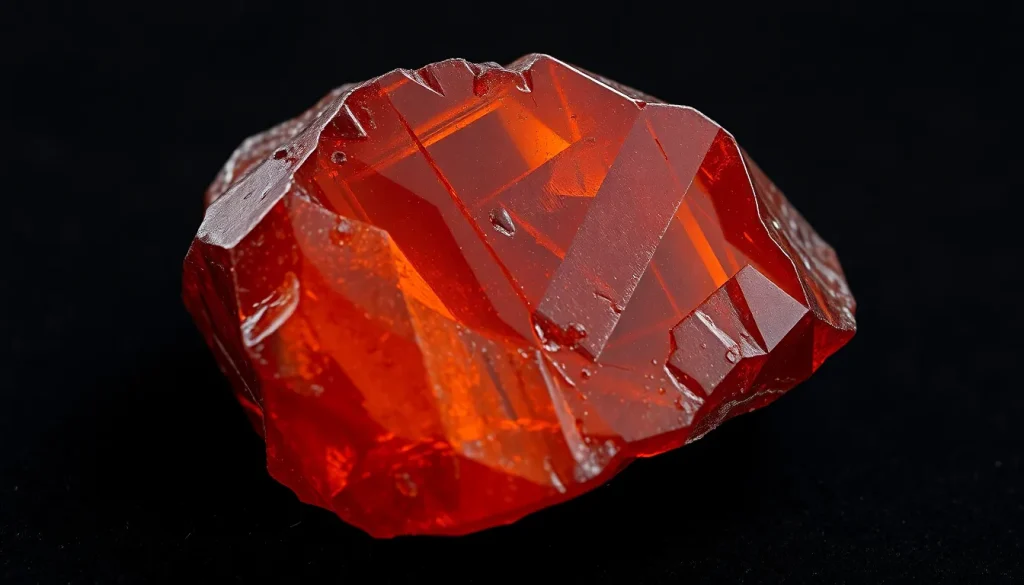
Painite is a scarce borate mineral composed of calcium, zirconium, aluminum, and boron (CaZrAl9O15(BO3)). First identified in the 1950s, it quickly became known as one of the rarest gemstones on Earth. Crystals are typically brown‑orange to reddish‑brown, displaying a high‑grade adamantine to sub‑adamantine luster and a high refractive index that gives the stone a remarkable brilliance.
History and Origin
The mineral was named after the British gem dealer Arthur C. D. Pain, who first recognized the specimen in 1951 from a deposit in Mogok, Myanmar (formerly Burma). For decades only a handful of crystals were known, and they were kept in museum collections. In the early 2000s, additional localities were reported, notably in Tanzania, which modestly increased the supply but the gem remains exceedingly rare.
Meaning and Symbolism
Traditional gem lore attributes painite with qualities of perseverance and transformation. Its deep, earthy tones are said to symbolize grounding, inner strength, and the ability to withstand hardship. Collectors often view the stone as a token of rarity and exclusivity, reflecting personal achievement and the value of patience.
Healing and Metaphysical Properties
In crystal‑healing circles, painite is believed to support the root chakra, fostering stability and a sense of security. Practitioners claim it can assist in releasing old emotional patterns, encouraging personal growth, and enhancing confidence. These properties are considered metaphysical beliefs and are not supported by scientific evidence.
Varieties and Types
While all painite shares the same basic chemical composition, color variations occur due to trace impurities and crystal field effects. The most common hues are:
- Brown‑orange to reddish‑brown (the classic painite color)
- Pinkish‑brown, often described as “copper‑red”
- Rare orange‑yellow specimens
No documented treatments are widely used for painite; most stones are found in their natural state.
Jewelry Uses and Care
Because of its rarity and relatively high hardness (6.5–7 on the Mohs scale), painite can be set in high‑end jewelry such as rings, pendants, and earrings. However, its cleavage on {001} and {100} planes makes it susceptible to chipping if subjected to sharp impacts. Recommended care includes:
- Cleaning with a soft brush and mild detergent; avoid ultrasonic cleaners.
- Storing separately from harder gemstones to prevent scratches.
- Removing jewelry before heavy physical activity.
Professional inspection is advised before any repair or recladding.
Buying Guide
When purchasing painite, consider the following factors:
- Origin documentation: Certified provenance from Myanmar or Tanzania adds confidence.
- Color consistency: Uniform brown‑orange coloration without visible inclusions is most valued.
- Cut and clarity: Well‑cut stones with minimal fracture surfaces command higher prices.
- Certification: Request a gemological report from a recognized laboratory (e.g., GIA, IGI).
- Price range: Expect a premium price per carat, reflecting scarcity; avoid unverified “synthetic” claims.
Engage a reputable dealer and, when possible, view the stone in person or via high‑resolution images before finalizing the purchase.
FAQ
What is Painite good for?
Painite is prized for its extreme rarity and unique brown‑orange color, making it a collector’s gem and a striking choice for high‑end jewelry. Traditionally, it is believed to foster grounding and perseverance, though these are metaphysical views, not scientific facts.
Is Painite rare?
Yes. For many years only a few dozen specimens were known, primarily from Myanmar. Even after discoveries in Tanzania, high‑quality, transparent painite remains scarce, driving its status as one of the world’s rarest gemstones.
How can you tell if Painite is real?
Authentic painite exhibits orthorhombic crystal forms, a high refractive index (≈1.68), and a specific gravity around 4.55. Professional gemologists use spectroscopy, density tests, and microscopy. A reputable laboratory report is the safest verification method.
What chakra is Painite associated with?
In crystal‑healing traditions, painite is most commonly linked to the Root (Muladhara) chakra, symbolizing stability and grounding, though no single standard association exists.
How should you clean Painite?
Clean painite gently with warm soapy water and a soft brush. Avoid ultrasonic cleaners, harsh chemicals, or high‑pressure steam, as the stone’s cleavage can be damaged. Store it separately from harder gemstones to prevent scratches.
Leave a Reply