
Short Answer
Overview
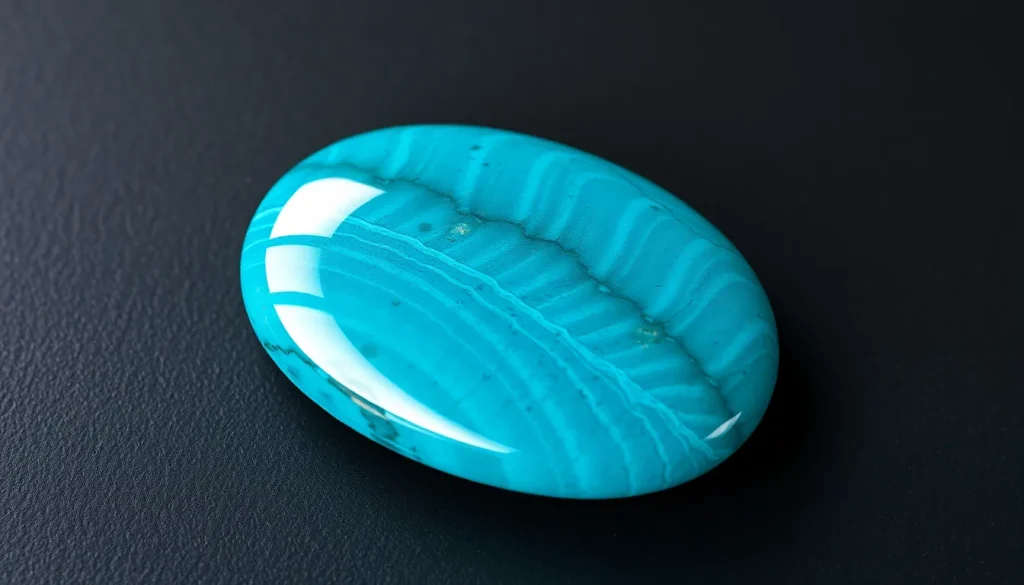
Papagoite is a rare, blue‑green to turquoise gemstone belonging to the sorosilicate group. It is noted for its vivid coloration, which ranges from sky‑blue to deep teal, and for its relatively modest hardness that makes it suitable for certain types of jewelry when properly cared for. The mineral was first described in the 1960s from deposits in the Papago (now Tohono O’odham) Indian Reservation in Arizona, United States.
History and Origin
The name “Papagoite” derives from the Papago people, the original inhabitants of the region where the mineral was first identified. Early specimens were collected from the basaltic volcanic rocks of the Superstition Mountains. Since its discovery, additional occurrences have been reported in northern Mexico (state of Chihuahua) and in Namibia, Africa. Because the deposits are small and the stone is seldom found in gem‑quality, papagoite remains a collector’s treasure rather than a mainstream commercial gemstone.
Meaning and Symbolism
In traditional gemstone lore, papagoite is associated with clear communication, truth‑telling, and the expression of inner thoughts. Its calming blue tones are thought to promote emotional balance, encouraging the wearer to speak with honesty and confidence. The stone is sometimes linked to the element of water, symbolizing fluidity and the ability to adapt.
Healing and Metaphysical Properties
Crystal‑healing practitioners attribute papagoite with the ability to soothe the throat chakra, aiding in the release of suppressed emotions and facilitating open dialogue. It is believed to assist in clearing mental fog, enhancing focus, and supporting the immune system through “energy alignment.” These claims are based on traditional beliefs and are not intended as medical advice.
Varieties and Types
While papagoite itself does not have widely recognized varieties, differences in color intensity and clarity can occur based on the exact locality and the presence of trace elements such as zinc or copper. Some specimens exhibit a more greenish hue, while others are a pure turquoise. The stone is typically found as tabular or prismatic crystals, often with a vitreous luster.
Jewelry Uses and Care
Because papagoite rates between 5.5 and 6 on the Mohs hardness scale, it is best suited for earrings, pendants, and brooches where it is less likely to encounter hard knocks. The gemstone should be set in protective settings—such as bezel or tension mounts—to minimize exposure to scratches. Cleaning should be done with lukewarm soapy water and a soft brush; ultrasonic cleaners are not recommended due to the stone’s moderate hardness and potential for micro‑fractures.
Buying Guide
When purchasing papagoite, consider the following factors:
- Color saturation: Deep, uniform turquoise hues are the most desirable.
- Clarity: Inclusions are common; however, eye‑clean stones command higher prices.
- Cut: Cabochon cuts are popular because they showcase the stone’s color without emphasizing its modest hardness.
- Origin: Specimens from the original Arizona locality are often valued higher by collectors.
- Treatment disclosure: Natural papagoite is rarely treated, but confirm with the seller that the stone is untreated or that any enhancements are fully disclosed.
Because the market for papagoite is limited, obtaining a certificate from a reputable gemological laboratory (e.g., GIA or IGI) can provide assurance of authenticity.
FAQ
What is papagoite good for?
Papagoite is prized for its striking turquoise color in jewelry and decorative pieces. Traditionally, it is believed to aid clear communication and emotional balance, though these are not scientifically proven.
Is papagoite rare?
Yes, papagoite is considered rare. High‑quality, gem‑grade material is limited to a few localities, primarily Arizona, and specimens with vivid, uniform color are especially scarce.
How can you tell if papagoite is real?
Authentic papagoite displays a distinctive turquoise‑blue hue, a vitreous luster, and a specific gravity around 3.1–3.2. Professional testing, such as refractive index measurement and spectroscopy, can confirm its identity.
What chakra is papagoite associated with?
In crystal‑healing traditions, papagoite is linked to the Throat chakra, supporting honest expression and communication.
How should you clean papagoite?
Clean papagoite with lukewarm soapy water and a soft brush. Avoid ultrasonic cleaners and harsh chemicals; store the stone away from hard impacts due to its moderate hardness.
Leave a Reply