
Short Answer
Overview
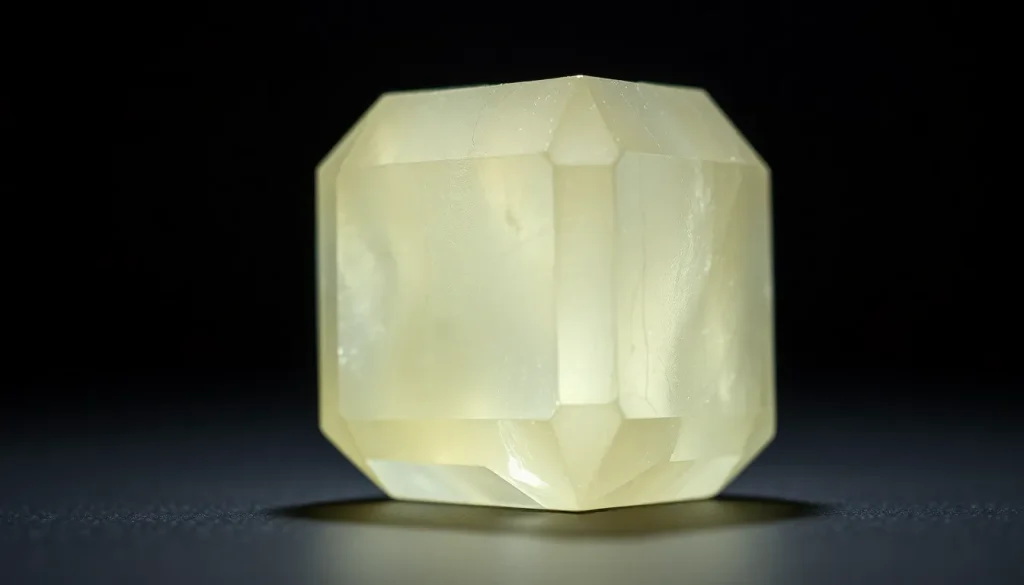
Periclase, chemically magnesium oxide (MgO), is an oxide mineral that crystallises in the cubic system. It occurs as colourless to pale‑coloured crystals, often with an adamantine to vitreous luster. While not a mainstream gemstone, well‑cut specimens are used in jewellery, especially in contemporary or avant‑garde pieces.
History and Origin
The name “periclase” comes from the Greek words peri (around) and klasis (to break), referring to its tendency to cleave into cubic fragments. Natural periclase has been known since the early 19th century when it was first described from deposits in the United States. Historically, it was primarily used as a refractory material and as a source of magnesium for steelmaking. Its occasional use as a decorative stone began in the late 20th century when lapidaries recognised its brilliance after polishing.
Meaning and Symbolism
In contemporary crystal lore, periclase is associated with clarity of thought and grounding. Its transparent nature is said to reflect inner truth, while the mineral’s magnesium content links it symbolically to the element of earth and personal stability. These meanings are not scientifically proven but are part of modern metaphysical tradition.
Healing and Metaphysical Properties
Traditional crystal‑healing beliefs attribute the following properties to periclase:
- Grounding and stability: Helps anchor scattered energy and foster a sense of security.
- Clarity of mind: Said to clear mental fog and support logical decision‑making.
- Physical support: Believed by some practitioners to aid magnesium deficiency, though it should never replace medical treatment.
These claims are based on folklore and should not be taken as medical advice.
Varieties and Types
Periclase itself is a single mineral species, but variations arise from colour, impurity content, and crystal habit:
- Colourless/White: Pure MgO, highly transparent when well‑polished.
- Yellow to Brown: Trace iron or manganese gives a warm hue.
- Grey to Black: Higher concentrations of transition‑metal impurities.
Cutting styles include cabochons, free‑form beads, and small faceted gems, each highlighting the stone’s high refractive index.
Jewelry Uses and Care
Because periclase ranks 5.5–6.5 on the Mohs scale, it is suitable for earrings, pendants, and brooches that are not subject to heavy impact. The stone’s conchoidal fracture means it can chip if struck sharply. Recommended care includes:
- Cleaning with warm, soapy water and a soft brush; avoid ultrasonic cleaners.
- Store separately from harder gemstones to prevent scratching.
- Protect from prolonged exposure to acids or strong detergents, which can etch the surface.
Buying Guide
When purchasing periclase, consider the following factors:
- Clarity: Inclusions are common; a clear, inclusion‑free piece commands a premium.
- Colour: Pure colourless specimens are rarer and therefore more valuable.
- Cut quality: Well‑polished facets or a smooth cabochon enhance brilliance.
- Origin: Reputable sources such as the United States (California), China, or Russia often provide traceability.
- Certification: Request a gemological report from a recognized laboratory to confirm identity and any treatments.
Because periclase is not widely marketed, prices vary considerably. Compare multiple dealers and request detailed photographs before finalising a purchase.
FAQ
What is Periclase good for?
Periclase is valued for its high refractive index and glassy luster, making it suitable for decorative jewelry and collector pieces. Traditionally, it is also associated with grounding and mental clarity in crystal‑healing circles.
Is Periclase rare?
High‑quality, colourless periclase is relatively rare because large, clear crystals are uncommon. More abundant are yellowish or grey specimens, which are less prized. Rarity also depends on locality and whether the stone has been cut to gem quality.
How can you tell if Periclase is real?
Real periclase feels heavy for its size (specific gravity ~3.6) and displays a high brilliance when polished. A simple hardness test (scratching glass) may indicate a Mohs rating of 5.5–6.5. For certainty, seek a gemological lab report confirming its chemical composition.
What chakra is Periclase associated with?
In crystal‑healing traditions, periclase is often linked to the Root (Muladhara) chakra for grounding, though there is no universally accepted chakra assignment.
How should you clean Periclase?
Clean periclase with warm soapy water and a soft brush, avoiding ultrasonic cleaners. Rinse gently and pat dry with a lint‑free cloth. Store separately from harder gemstones to prevent scratches.
Leave a Reply