
Short Answer
Overview
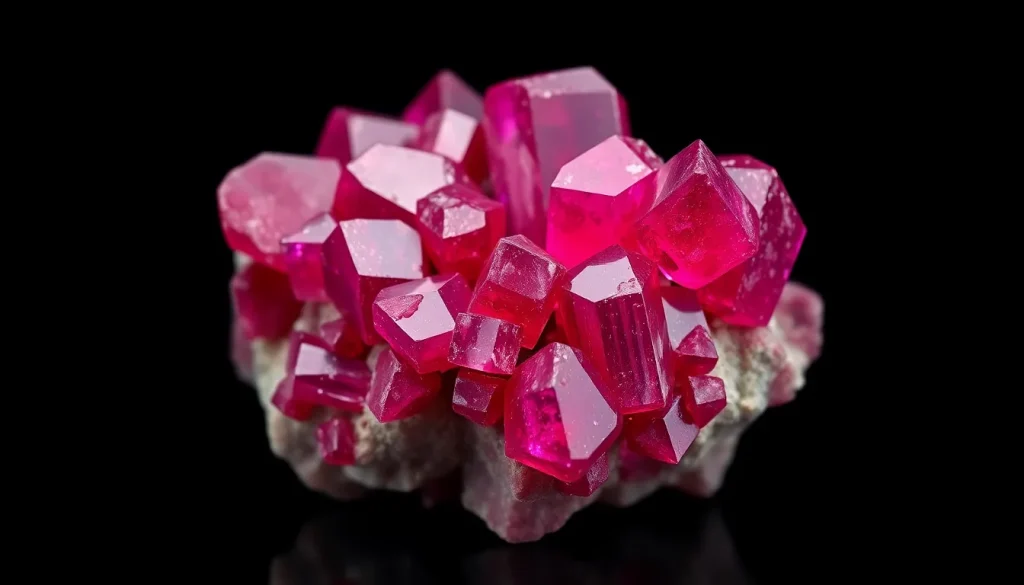
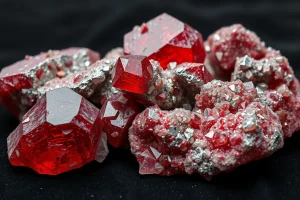
Pyrargyrite, commonly called ruby silver, is a sulfosalt mineral composed of silver, antimony, and sulfur (Ag3SbS3). It forms deep‑red to crimson crystals that have been used as a gemstone and collector’s mineral since the 18th century.
History and Origin
First described in 1760 from the Freiberg region of Saxony, Germany, pyrargyrite was named from the Greek words “pyr” (fire) and “argyros” (silver) because of its fiery red color and high silver content. Historically it was an important ore of silver before modern mining techniques supplanted it. Notable localities include Freiberg (Germany), Dzhazag (Armenia), the Cobalt district (Ontario, Canada), and the historic silver mines of the Sierra Madre (Mexico).
Meaning and Symbolism
In traditional gemstone lore, pyrargyrite’s vivid red hue is associated with passion, courage, and the heart’s emotional energy. It is said to symbolize the “fire of love” and is sometimes given as a token of deep affection or commitment.
Healing and Metaphysical Properties
Crystal‑healing practitioners attribute the following properties to pyrargyrite, describing them as beliefs rather than medical facts:
- Emotional balance: believed to calm intense emotions and promote forgiveness.
- Heart‑chakra activation: thought to open and strengthen the heart center, encouraging love and compassion.
- Physical support: sometimes linked to blood health and circulation, though no scientific evidence supports therapeutic use.
These claims are part of traditional and contemporary metaphysical practices and should not replace professional medical advice.
Varieties and Types
Pyrargyrite occurs primarily in two crystal habits:
- Prismatic crystals: elongated, often terminated with sharp points, displaying the classic ruby‑red color.
- Massive aggregates: granular or compact masses that may be cut for cabochons.
Occasionally, heat‑treated or irradiated specimens develop a deeper hue, but such treatments are rare in natural gem‑quality material.
Jewelry Uses and Care
Because of its low hardness (2–2.5 on the Mohs scale) and perfect basal cleavage, pyrargyrite is best suited for ornamental pieces that are protected from impact, such as pendants, earrings, or brooch settings where the stone is set low and secured.
Care recommendations:
- Clean gently with a soft, lint‑free cloth. Avoid ultrasonic cleaners or steam.
- Use only mild, neutral‑pH soap and lukewarm water if deeper cleaning is needed.
- Store separately from harder gemstones to prevent scratches.
- Avoid prolonged exposure to direct sunlight, which can cause fading of the red color over time.
Buying Guide
When evaluating pyrargyrite for purchase, consider the following factors:
- Color intensity: deep, uniform red is most prized.
- Clarity: inclusions are common; however, large, clear zones increase value.
- Cut: cabochons that showcase the stone’s depth of color are preferred.
- Origin documentation: reputable dealers will provide provenance, especially for specimens from classic localities such as Freiberg or Dzhazag.
- Treatment disclosure: ensure the stone is natural and untreated unless clearly labeled.
Because pyrargyrite is relatively soft, it commands modest market prices compared with harder red gemstones like ruby or red beryl. Always seek certification from a recognized gemological laboratory if the stone is presented as a high‑value gem.
FAQ
What is pyrargyrite good for?
Pyrargyrite is valued as a collector's mineral and occasional gemstone for its vivid red color; traditionally it is believed to support emotional balance and heart‑chakra work.
Is pyrargyrite rare?
High‑quality, deep‑red pyrargyrite is relatively uncommon, especially from classic localities, but the mineral itself occurs in many silver districts worldwide.
How can you tell if pyrargyrite is real?
Real pyrargyrite displays a submetallic luster, red streak, and perfect basal cleavage; professional gemological testing (e.g., refractive index, specific gravity) confirms authenticity.
What chakra is pyrargyrite associated with?
In crystal‑healing belief systems, pyrargyrite is linked to the Heart (Anahata) chakra, promoting love and emotional healing.
How should you clean pyrargyrite?
Clean gently with a soft cloth and mild soap; avoid ultrasonic cleaners, steam, or harsh chemicals, and store it away from harder gemstones to prevent scratches.
Leave a Reply