Short Answer
Overview
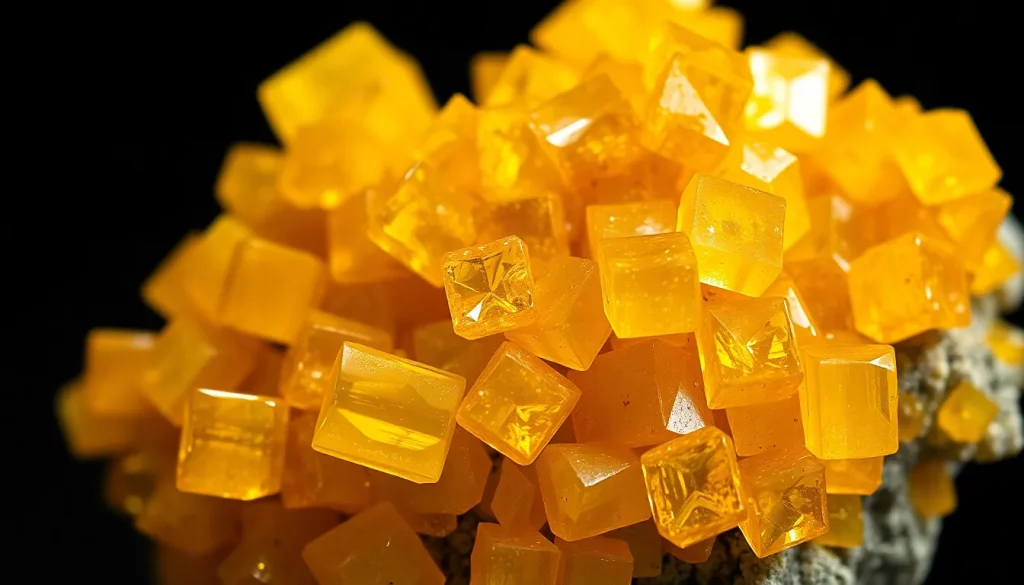
Pyromorphite is a lead‑chloride phosphate mineral with the chemical formula Pb5(PO4)3Cl. It belongs to the apatite group and crystallises in the hexagonal system. The stone is best known for its bright, warm colours ranging from golden yellow to deep orange, brown, and green. Because of its adamantine luster and relatively low hardness, pyromorphite is primarily used as a collector’s mineral and in low‑grade jewelry.
History and Origin
The name “pyromorphite” derives from the Greek words pyr (fire) and morphe (form), referring to the mineral’s tendency to melt or change form when heated. It was first described in the early 19th century from specimens found in the United Kingdom. Today, significant occurrences are reported from oxidised lead‑zinc ore deposits in the United States (Arizona), Morocco, Australia, Brazil, and Zambia.
Meaning and Symbolism
In traditional gemstone lore, pyromorphite is associated with transformation, renewal, and the release of negative energies. Its fiery colours are said to inspire confidence, personal power, and the courage to pursue new directions. The mineral is sometimes linked to the sun’s energy, symbolising vitality and optimism.
Healing and Metaphysical Properties
Crystal‑healing practitioners attribute the following beliefs to pyromorphite:
- Enhances personal will and motivation, helping the wearer overcome procrastination.
- Supports the digestive system and liver, according to traditional folk uses.
- Balances the Solar Plexus chakra, fostering self‑esteem and inner strength.
These properties are based on cultural traditions and should not replace professional medical advice.
Varieties and Types
Colour variations arise from trace impurities and exposure to radiation. Common varieties include:
- Yellow pyromorphite – the most abundant, ranging from pale lemon to deep amber.
- Orange/Red pyromorphite – less common, often found in oxidised zones.
- Green pyromorphite – caused by copper or iron substitutions.
- Brown/Chocolate pyromorphite – darker tones resulting from higher iron content.
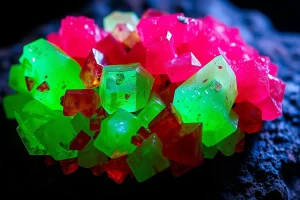
Some specimens exhibit fluorescence under ultraviolet light, glowing bright yellow or orange.
Jewelry Uses and Care
Because pyromorphite rates 3.5–4 on the Mohs scale, it is relatively soft and prone to scratching. It is therefore suited for pendants, earrings, and brooches where the stone can be protected from impact. Care recommendations include:
- Clean with a soft, lint‑free cloth; avoid ultrasonic cleaners.
- Use mild soap and lukewarm water for deeper cleaning, then dry thoroughly.
- Store separately from harder gemstones (e.g., quartz, sapphire) to prevent abrasion.
- Avoid prolonged exposure to strong acids or bases, which can damage the surface.
Buying Guide
When selecting pyromorphite, consider the following factors:
- Colour intensity: Vivid, saturated hues are more desirable.
- Clarity: Inclusions are common; however, large cloud‑like fractures reduce value.
- Cut: Well‑cut facets enhance brilliance and showcase the stone’s adamantine luster.
- Origin: Specimens from classic localities such as Arizona or Morocco are often prized by collectors.
- Treatment disclosure: Natural pyromorphite is rarely treated, but some pieces may be stabilized with resin for jewelry use. Ask for certification.
Purchasing from reputable dealers who provide gem‑ological reports ensures authenticity and accurate grading.
FAQ
What is pyromorphite good for?
Pyromorphite is primarily collected for its bright colours and used in low‑grade jewelry. Traditionally, it is believed to boost confidence and aid personal transformation.
Is pyromorphite rare?
High‑quality, vivid specimens are relatively uncommon, especially in large sizes. However, pyromorphite is found in several mining districts worldwide, making it moderately available.
How can you tell if pyromorphite is real?
Real pyromorphite displays a high specific gravity, adamantine luster, and perfect basal cleavage. A professional gem‑lab can confirm identity with X‑ray diffraction or chemical analysis.
What chakra is pyromorphite associated with?
In crystal‑healing traditions, pyromorphite is linked to the Solar Plexus chakra, supporting personal power and self‑esteem.
How should you clean pyromorphite?
Clean gently with a soft cloth and mild soap solution. Avoid ultrasonic cleaners and harsh chemicals, and store separately from harder gemstones to prevent scratches.
Leave a Reply