Short Answer
Overview
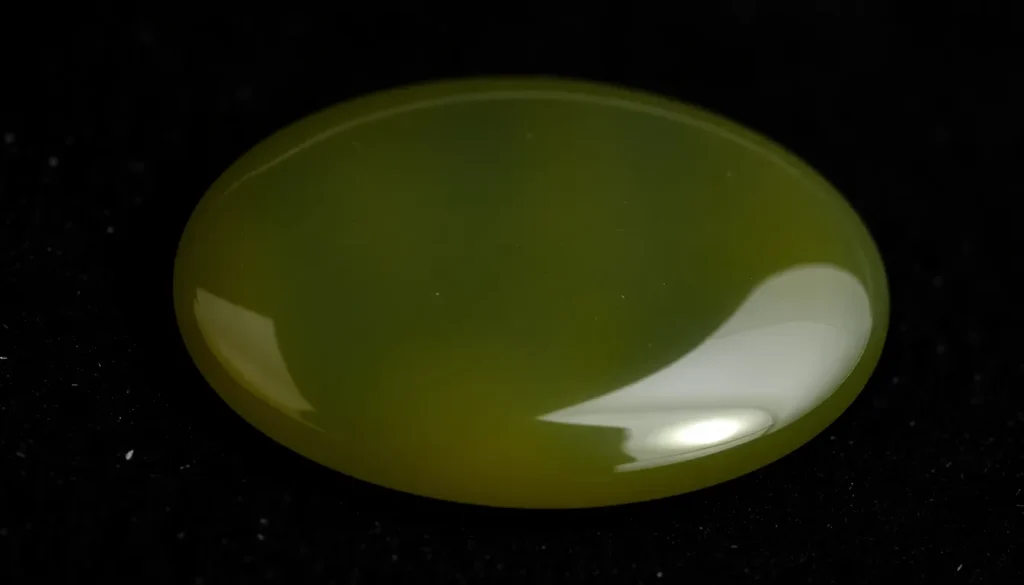
Chrome chalcedony is a cryptocrystalline form of silica (SiO₂) belonging to the quartz family. It displays a distinctive green to olive‑green color with a metallic‑luster that can appear almost iridescent. The stone is opaque to translucent and is commonly used in beads, cabochons, and ornamental carvings.
History and Origin
The name “chrome” refers to the stone’s chrome‑like sheen rather than the element chromium. Historically, green chalcedony has been found in ancient trade routes across the Mediterranean, but the term “chrome chalcedony” became common in the 19th century gem market when collectors sought a green stone with a unique sheen. Major localities today include Brazil, the United States (especially California), India, and Madagascar.
Meaning and Symbolism
In traditional gemstone lore, chrome chalcedony is associated with growth, renewal, and emotional balance. Its green hue links it to the natural world, symbolizing fertility and abundance. The metallic luster is said to reflect inner clarity and the ability to see through confusion.
Healing and Metaphysical Properties
Crystal‑healing practitioners attribute the following properties to chrome chalcedony, describing them as traditional beliefs rather than medical facts:
- Heart Chakra: Believed to open and balance the heart chakra, encouraging compassion and forgiveness.
- Emotional Healing: Said to soothe anxiety, promote calm, and assist in releasing old emotional patterns.
- Physical Support: Some claim it aids the respiratory system and helps detoxify the blood, though these uses are not scientifically proven.
Varieties and Types
Chrome chalcedony is a specific variety of chalcedony distinguished by its green color and metallic sheen. Related varieties include:
- Green Chalcedony – a broader term that includes any green‑colored chalcedony, often without the strong metallic luster.
- Prasiolite – a green quartz that is sometimes confused with chrome chalcedony but differs in crystal structure and usually lacks the metallic sheen.
Jewelry Uses and Care
Because of its hardness (Mohs 6.5–7) and attractive appearance, chrome chalcedony is popular in:
- Beaded necklaces and bracelets.
- Cabochons set in rings, pendants, and earrings.
- Artistic carvings and intarsia work.
Care recommendations:
- Clean with warm, soapy water and a soft brush; avoid harsh chemicals.
- Dry with a lint‑free cloth; do not ultrasonic clean if the stone has been treated.
- Store separately from harder stones to prevent scratching.
Buying Guide
When purchasing chrome chalcedony, consider the following factors:
- Color Uniformity: Look for a consistent green tone with a natural metallic sheen. Uneven color may indicate lower quality or treatment.
- Clarity: Inclusions are common, but excessive cloudiness can diminish value.
- Cut and Finish: A well‑polished cabochon will showcase the stone’s luster. Poor polishing reduces sparkle.
- Treatments: Some green chalcedony is heat‑treated to enhance color. Reputable dealers should disclose any treatments.
- Certification: For high‑value pieces, request a gemological report from a recognized laboratory such as GIA.
Prices vary widely based on color intensity, size, and whether the stone is natural or treated. Expect higher prices for deep, even green with a strong metallic sheen.
FAQ
What is chrome chalcedony good for?
Chrome chalcedony is valued for its striking green color and metallic sheen, making it popular in jewelry and decorative objects. Traditionally it is believed to promote emotional balance and heart‑centered healing, though these claims are not medically verified.
Is chrome chalcedony rare?
High‑quality chrome chalcedony with a deep, even green and strong metallic luster is less common than other chalcedony varieties, but the mineral itself is not considered extremely rare. Rarity depends on color intensity, treatment status, and locality.
How can you tell if chrome chalcedony is real?
Real chrome chalcedony feels cool to the touch, has a hardness of 6.5–7, and shows a characteristic metallic sheen. Simple tests include checking for a white streak on unglazed porcelain and using a jeweler’s loupe to examine surface texture. For certainty, obtain a professional gemological report.
What chakra is chrome chalcedony associated with?
In crystal‑healing traditions, chrome chalcedony is most often linked to the Heart (Anahata) chakra, where it is said to encourage love, compassion, and emotional openness.
How should you clean chrome chalcedony?
Clean chrome chalcedony with warm, mild soapy water and a soft brush. Rinse thoroughly and pat dry with a lint‑free cloth. Avoid harsh chemicals, ultrasonic cleaners, and steam if the stone has been heat‑treated.
Leave a Reply