
Short Answer
Overview
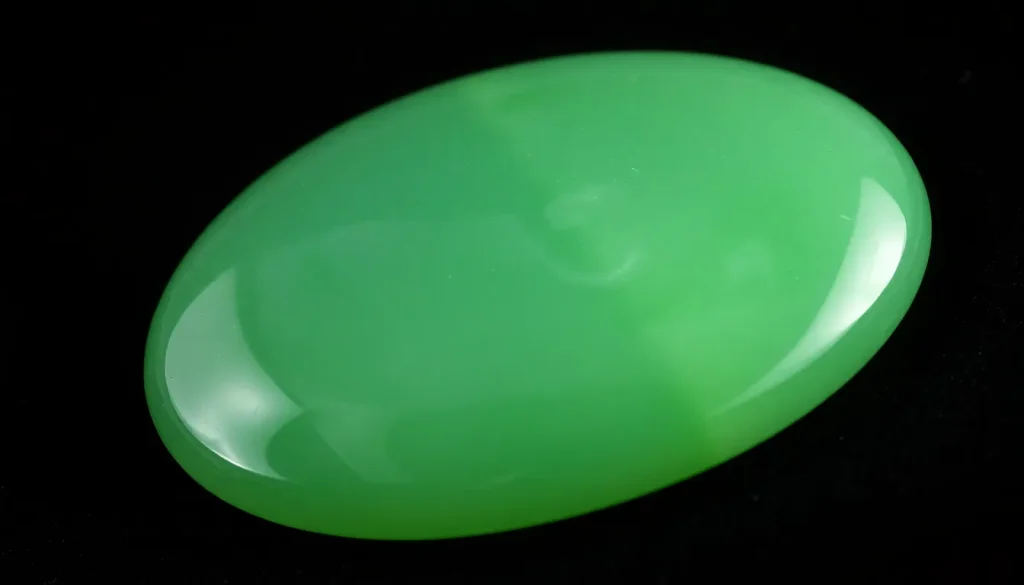
Chrysoprase is a transparent to translucent green variety of chalcedony, a microcrystalline form of quartz (SiO₂). Its distinctive apple‑green color originates from trace amounts of nickel oxide within the silica structure. The stone typically exhibits a waxy to vitreous luster and a hardness of 6.5–7 on the Mohs scale, making it suitable for many types of jewelry.
History and Origin
The name “chrysoprase” derives from the Greek words chrysos (gold) and prason (leek), a reference to its golden‑green hue. Historically, chrysoprase was used in ancient Egypt and Greece for beads and ornamental objects. Modern commercial production began in the early 20th century, with major deposits identified in Western Australia, Brazil, Tanzania, the United States (California), and Madagascar.
Meaning and Symbolism
In traditional gemstone lore, chrysoprase is associated with renewal, compassion, and emotional balance. It is said to encourage openness, foster forgiveness, and aid in the expression of love. The stone’s vibrant green is often linked symbolically to growth, fertility, and the heart’s energy.
Healing and Metaphysical Properties
Crystal‑healing practitioners attribute the following properties to chrysoprase, though these claims are not supported by medical science:
- Promotes emotional healing and helps release past trauma.
- Supports heart‑chakra work, encouraging compassion and forgiveness.
- Believed to boost vitality and aid in the detoxification of the circulatory system.
These beliefs are part of longstanding metaphysical traditions and should not replace professional medical advice.
Varieties and Types
While chrysoprase itself refers to the nickel‑colored green chalcedony, several related varieties exist:
- Nickel Chalcedony – The trade name most often used for high‑quality chrysoprase.
- Green Chalcedony – A broader category that includes both chrysoprase and other green chalcedonies lacking significant nickel content.
- Heat‑treated Chrysoprase – Rarely, heat treatment is applied to enhance or modify the green hue, though most fine specimens are natural.
Jewelry Uses and Care
Because of its moderate hardness and attractive color, chrysoprase is popular in rings, pendants, earrings, and cabochons. When set in protective metal settings (e.g., 14K gold or platinum), it resists scratching in everyday wear.
Cleaning: Use warm, soapy water and a soft brush. Rinse thoroughly and dry with a lint‑free cloth. Avoid ultrasonic cleaners and harsh chemicals, especially on treated stones.
Storage: Keep separate from harder gems such as diamonds or sapphires to prevent abrasion. Store in a padded compartment or a soft‑lined jewelry box.
Buying Guide
When purchasing chrysoprase, consider the following factors:
- Color Saturation: The most valuable stones display a vivid, even apple‑green without brown or gray undertones.
- Clarity: Look for minimal cloudiness; a translucent to transparent appearance is preferred.
- Cut and Finish: Well‑polished cabochons showcase the stone’s luster and depth.
- Origin Documentation: Reputable dealers often provide provenance, especially for high‑grade Australian or Tanzanian material.
- Treatment Disclosure: Ensure any heat or dye treatments are disclosed; natural chrysoprase commands a premium.
For assurance, request a gemological report from a recognized laboratory such as GIA or IGI.
FAQ
What is chrysoprase good for?
Chrysoprase is prized for its vivid green color, making it popular in jewelry. Traditionally, it is believed to encourage compassion and emotional renewal, though these are spiritual concepts, not medical facts.
Is chrysoprase rare?
High‑quality, naturally saturated chrysoprase is relatively uncommon. Good material is found in a few locales, especially Western Australia; however, lower‑grade specimens are more widely available.
How can you tell if chrysoprase is real?
Real chrysoprase feels cool, has a waxy‑to‑vitreous luster, and shows a consistent apple‑green hue. Professional testing (refractive index, specific gravity, spectroscopy) by a gem lab confirms authenticity.
What chakra is chrysoprase associated with?
In crystal‑healing traditions, chrysoprase is linked to the Heart (Anahata) chakra, supporting love and emotional balance.
How should you clean chrysoprase?
Clean with warm soapy water and a soft brush, then rinse and pat dry. Avoid ultrasonic cleaners, steam, and harsh chemicals, especially if the stone has been treated.

Leave a Reply